
The Naturalist Blog
*
The Naturalist Blog *
Why Organic?
Our friends and fellow INFRA members at Good Earth Natural Foods in California designed this BEAUTIFUL infographic describing the many benefits of organic - for everything from human and animal health to water and soil quality to biodiversity and climate change. If you've ever wondered "why choose organic?" click below to see more!
Our friends and fellow INFRA members at Good Earth Natural Foods in California designed this BEAUTIFUL infographic describing the many benefits of organic - for everything from human and animal health to water and soil quality to biodiversity and climate change. If you've ever wondered "why choose organic?" read below:

Let's Do Brunch!
By John B, Grocery Buyer, CN Blog Contributor, and Brunch Aficionado
Ah, brunch. Not quite breakfast, not quite lunch, but a perfect excuse to gather with friends and catch up ahead of your afternoon plans. But what about the weekend crowds? The waits? The lines? These can be frustrating, especially for the brunch-goers among us who are just trying to nurse their hangovers with some fried food and a little hair of the dog in peace. Too bad it would be such a hassle to organize a brunch get-together at your own place, right? WRONG! With a little help from the Cambridge Naturals grocery section, you can put together a full vegetarian brunch spread, with appetizer, main course, dessert, and cocktails, that will be easy to prepare, not to mention much more nourishing and healthful than anything at your local greasy spoon.
Let's start with the first course. This one is as simple as it comes: Smear our Lundberg Brown Rice Thin Stackers with some Justin’s Chocolate Hazelnut Butter Blend and top with a sprinkling of Phoney Baloney’s Coconut Bacon. This vegan sweet-and-savory combo will be sure to wake up your taste buds. Even connoisseurs of “real” bacon will find it irresistible!
For the main course, let's talk Tex Mex. I was in Austin recently, and a brunch staple there which the northeast sorely lacks are migas, a fantastic scrambled egg and tortilla dish. For a somewhat non-traditional take, start by frying some diced tomatoes, bell peppers, and onion in our Dr. Bronner's Coconut Oil. Rather than frying day-old tortillas, just have some of our Jackson's Honest Tortilla Chips nearby. Add the chips and some well-beaten eggs into the pan with the veggies, shred in some of our Neigborly Farms Savory Pepper Cheddar Cheese and scramble it all up! For a little added heat, our Los Roast X-Hot Chile Sauce makes a great condiment. Serve with a side of black beans or home fries, if that strikes your fancy.

Photo of migas via Pinch of Yum
After those hot and spicy eggs, your guests are sure to want something cool and sweet. Try making a parfait of our Organic White Mountain Bulgarian Yogurt with thin layers of Fiordifrutta fruit spreads and any of our delicious granolas.
Now that you've got a good, strong base of delicious brunch treats in your belly, it's time for that post-meal cocktail. Mix 3/4 oz of Bushwick Kitchen's Trees Knees Cinnamon Maple Syrup, 3/4 oz dark rum, and 8 oz of our Slingshot Cold Brew Coffee. Stir and pour over ice. Voila! The perfect cap to a great meal. Your guests will think you are a culinary genius, I guarantee it.


These are just a few ideas to get you started based on what we have in our always changing, expertly curated grocery section. Come on in or get in touch for more ideas; or tell us some of your own!


A Wild Fall Fruit: Rosehips (Rosa canina, Rosa rugosa and related species)
By Steph Zabel
Herbalist, Ethnobotanist and Educator
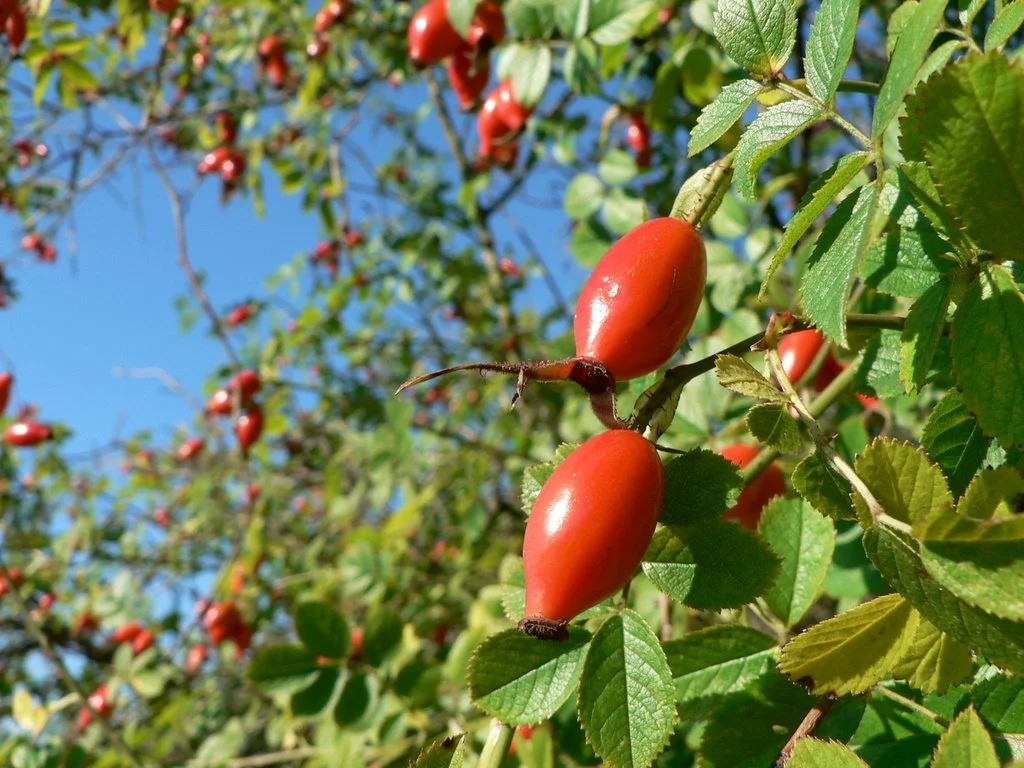
Photo by Rosendahl via Wikimedia Commons
The Rose family (Rosaceae) is one of the most beloved botanical groups; humans have had a deep affinity for these plants for thousands and thousands of years. Not only does this family produce beautiful flowering plants such as spirea, potentilla, lady’s mantle, agrimony and hawthorn, but also important fruit crops such as pears, peaches, plums, cherries, quinces, almonds, raspberries and strawberries. What would our world be like without these delights?!
Of all these family members, Rose is the most well-known and sought-after. She is the true queen of flowers.

Photo by Renee Ricciardi via Wikimedia Commons
While most people are familiar with the aesthetic and olfactory beauty of the rose, in this country there tends to be less familiarity with the fruit of the rose, i.e. the rosehip.
I adore using rosehips this time of year, when the scarlet fruits become full and ripe. All roses will develop hips once their flowers fade, but depending on the species they vary in shape, color, texture and taste. The hip of the dog rose, Rosa canina, is often sold commercially for tea. Around our neck of the woods we are lucky to find Rosa rugosa, the beach rose, which produces the most beautiful, large, tomato-like fruits.
So why would we want to use rosehips?
First of all, these fruits are a delicious wild edible. They are nutritive and tart, and can be infused into a tea that is high in many vitamins, especially Vitamins A and C. Even though citrus fruits get all the glory for being a great source of Vitamin C, rosehips actually contain a higher concentration of this important vitamin and are in fact one of the richest botanical sources of it.
We cannot produce our own Vitamin C so it is essential that we obtain it from food. It is needed for producing hormones, neurotransmitters and hormones in the body. Having plenty of this vitamin in the diet has been correlated with a reduced risk of cancer and cardiovascular disease. In addition, Vitamin C supports the immune system and has been shown to shorten the duration of the common cold. This makes rosehips an excellent addition to fall and winter tea blends.
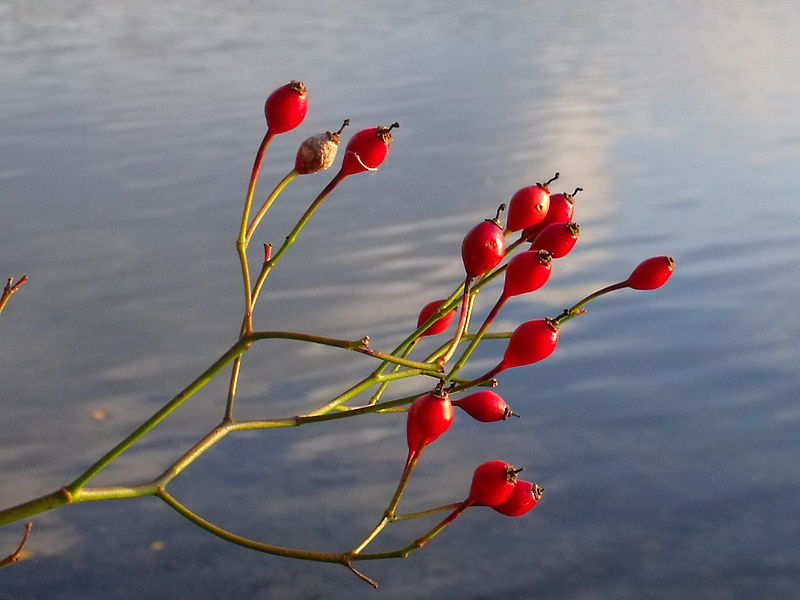
Photo by Oceancetaceen via Wikimedia Commons
Like other red-hued herbs and fruits such as schisandra, hawthorn, and hibiscus, rosehips are high in bioflavonoids which have an antioxidant action that prevents free radical damage in the body. These bioflavonoids also strengthen heart and blood vessels.
Perhaps a lesser known use of rosehips are its effect on the digestive system. The hips are anti-inflammatory and soothing, and so are useful for hot, inflammatory conditions in the gut such as ulcers, colitis or Crohn’s. They are also a gentle laxative that is traditionally used for mild constipation; the natural pectin content has a beneficial, soothing effect on the intestinal tract.
Above all, rosehips are a food. They are commonly harvested to be made into jams and jellys; they can also be baked into pies, used as a thickener for sauces (because of their pectin content), and can even be made into a beautiful soup! (Check out this Swedish rosehip soup recipe I discovered!

Photo by Steph Zabel
HOW TO USE ROSEHIPS
- Infusion: use 1 tsp. of dried rosehips per cup of hot water. Let steep 10-15 minutes.
- You can also decoct rosehips to make a darker, stronger brew but you will lose much of the Vitamin C content with boiling.
- Freshly gathered rosehips can also be made into jam or jelly.
- Blends nicely with other herbs for a subtle, tart flavor. Try blending with holy basil, mint, lavender and/or lemon balm.
MAKING AN OXYMEL
The combination of honey, vinegar and herbs creates an ancient preparation called an oxymel. This simple medicine dates back to the time of the Greeks and has been used for many different ailments, but most especially for digestive and respiratory issues. Today we can make oxymels as a delicious way to preserve our favorite herbs, or to create a medicinal tonic.
The simplest method of making an oxymel is to mix together equal parts honey and apple cider vinegar and pour this mixture over your herbs to steep. (Use more vinegar for a thinner oxymel, less vinegar for a more syrup-y oxymel.)

Photo by Steph Zabel
ROSEHIP OXYMEL RECIPE:
- Fill a pint sized jar 1/3 full of dried rosehips or 1/2 full of fresh, chopped rosehips.
- Cover with a vinegar/honey mixture (start with a 1:1 ratio of vinegar: honey).
- Stir it up to remove air bubbles and cover the top of the jar with a sheet of wax paper before capping if using a metal lid. (Or use a plastic lid to avoid corrosion from the vinegar.)
- Shake those hips! Really… Shake the jar often to make sure the herb does not clump together. Add more vinegar if necessary.
- Let infuse for 2 – 6 weeks. Then strain out using a cheesecloth and store in a tightly capped bottle out of direct sunlight.
Use this tart honey-vinegar concoction directly by the spoonful, or add to seltzer water for a refreshing drink. You can also use it as the base for sauces, marinades and salad dressings.
REFERENCES
Botanical Online
Oregon State
Sacred Earth
Vegetarian Nutrition
Steph Zabel, MSc, is an herbalist and educator who helps urban dwellers connect with the plant world. She teaches herbal classes, is available for individual wellness consultations, and is also the founder of HERBSTALK, Boston’s community herbal conference. Learn more about her work at: www.flowerfolkherbs.com and www.herbstalk.org.
*The next Herbstalk event is the Wintergreen Herbal Market taking place on November 26th at the Armory in Somerville! More details can be found here.
This blog series — Herbs and Botanicals— is for general health information only. This Web site is not to be used as a substitute for medical advice, diagnosis or treatment of any health condition or problem. Users of this Web site should not rely on information provided on this Web site for their own health problems. Any questions regarding your own health should be addressed to your own physician or other healthcare provider.







Monthly Muse: Gianne Doherty

Photos courtesy OBC
By Mary, Body Care Buyer and Blog Contributor
You may have noticed some new things around the store lately. New faces, new sales, and most exciting of all: NEW PRODUCTS! We recently stocked some of the shelves in our body care department with a line we’ve been eager to share with our customers.
Organic Bath Co. is owned by Gianne Doherty, a Medford resident, natural skin care aficionado, and all around wonderful human being. We now carry the OBC body scrubs, body wash, and body butters in both full and travel size. Each product comes in a variety of scents, using only organic essential oils, to suit any preference. Not only are you supporting a local company with each OBC purchase, you’re also supporting a bigger cause. With each and every purchase, 1% is donated to charity. As Gianne says, “true beauty begins with giving back.” But Gianne’s accomplishments don’t stop there. She is also the founder of W.E.L.L. Summit, an annual event bringing together and empowering the wellness community. Read on to learn more about Gianne, her work, and how all of this got started.
CN: What is your favorite place or thing to do in the Boston area?
GD: We just spent Sunday walking around and exploring different neighborhoods in Boston, sat on the Esplanade and I loved it! It doesn’t cost a thing, the people watching was great and I found myself seeing the same places with new eyes. The exercise I got from walking off and on for 3 hours was an added bonus! :-)
CN: What was the last book you read that you couldn’t put down?
GD: Ohh, I am a voracious reader and read a few books a week. The last book I read that I couldn’t put down was Natchez Burning by Greg Iles. I love mysteries!
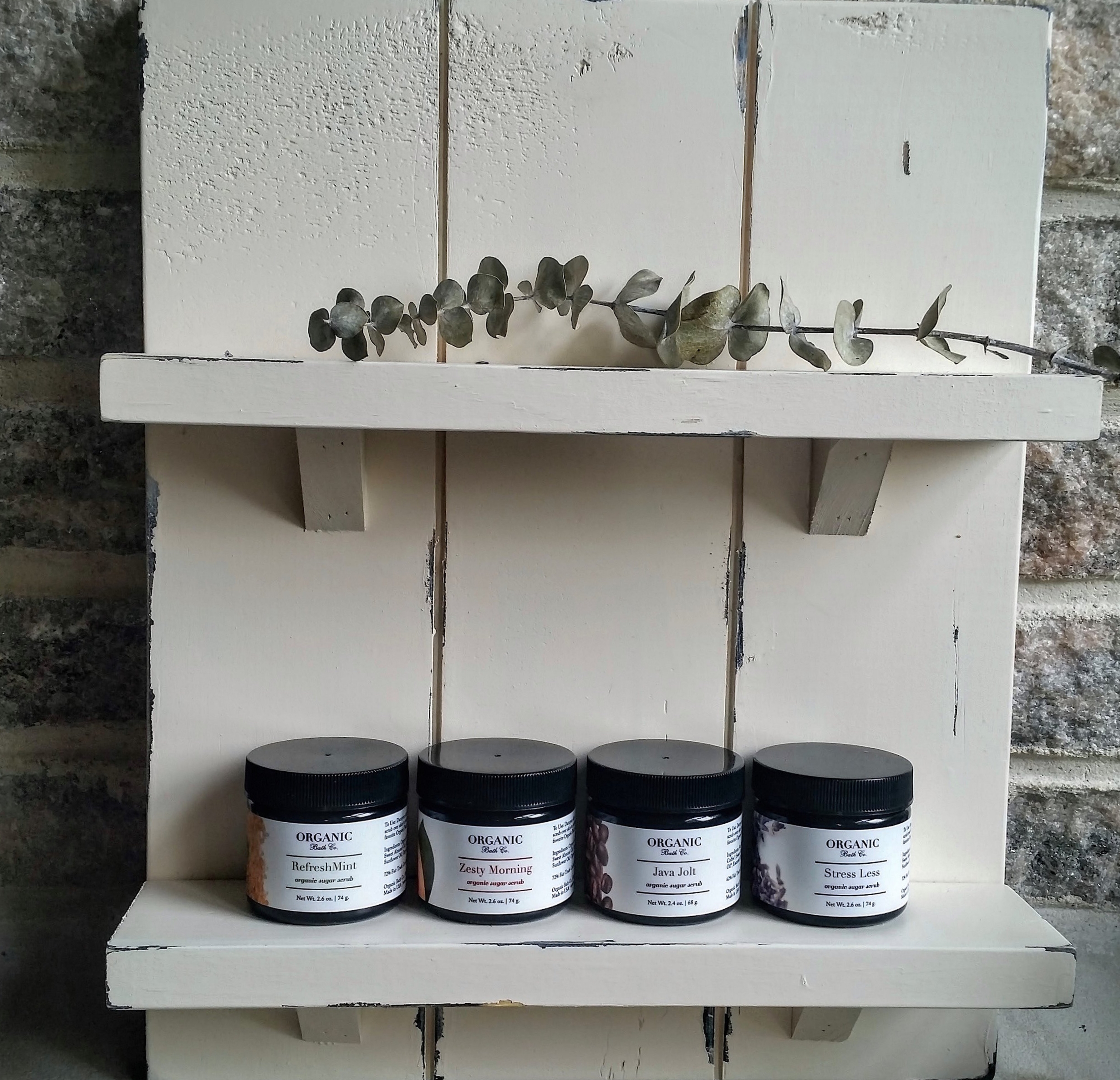
Photos courtesy OBC
CN: Can you tell us about how Organic Bath Company got started?
GD: A few years ago, when my skin began reacting (by way of hives!) to mainstream lotions I had been using, my boyfriend Jay and I ended up making a pure, unscented, shea butter-based body butter for me that my skin still loves to this day. As I learned more about the personal care industry and its lack of regulation, the more determined I was to make safe products for myself and family and friends. Organic Bath Co. began out of necessity with that shea butter-based body butter (now known as “Drenched”), and we’ve donated a portion of our proceeds to charity since day one!
CN: What inspired you to found the W.E.L.L. Summit and where do you envision it going in the future?
GD: The W. E. L. L. Summit was created through conversations with our customers, friends & family. We are constantly asked for advice about questions that are often a bit outside of our scope such as: What natural deodorants should we use? Why should our products contain essential oils and not fragrance? Etc. Ultimately, we recognized that there was a need in our community and a larger community to bring the best of the wellness industry together in a space of empowerment and learning for all!
CN: We love that OBC donates 1% of each purchase to those in need! Which organizations are you currently working with?
GD: We donate to Charity Water which we love because they build wells and provides access to clean water across the globe to others who may not have had it. What's amazing is that 100% of the donations go to funding the water projects.
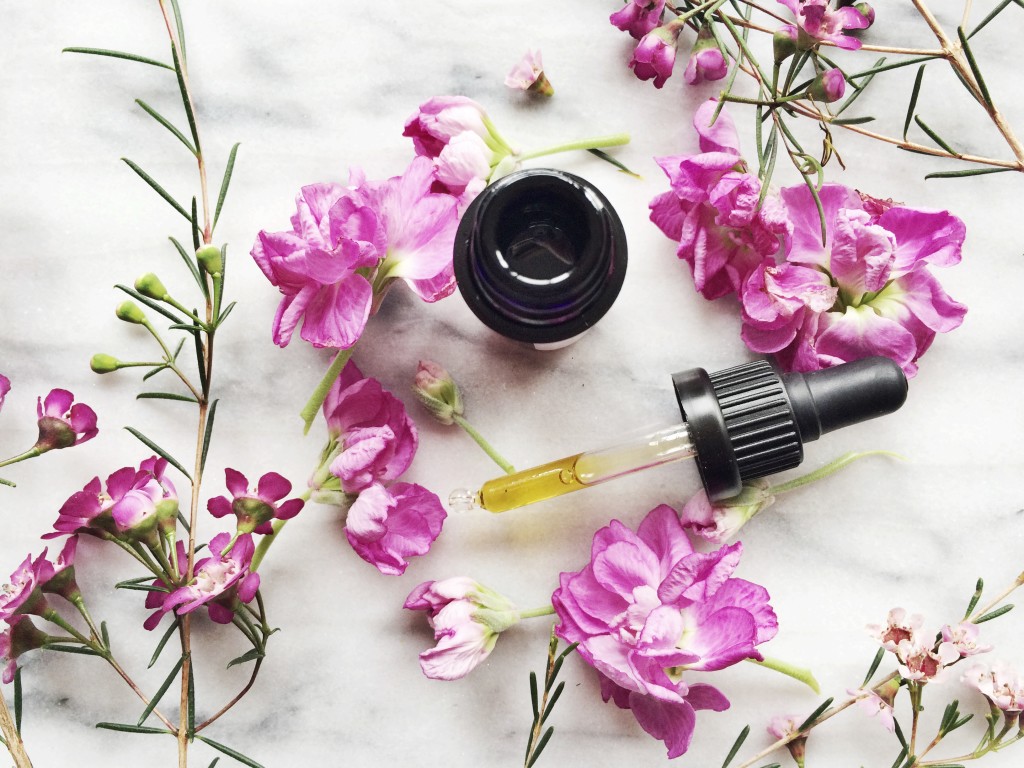
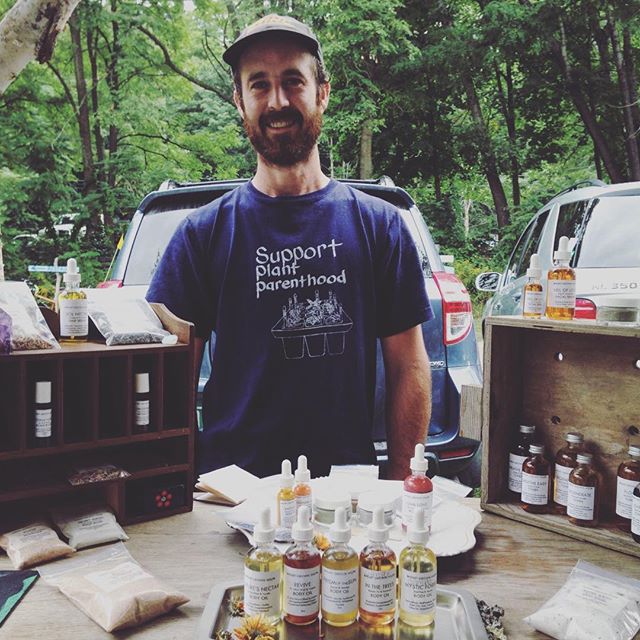
Photos courtesy OBC
CN: What are your top three essential products from Cambridge Naturals?
GD: This is a hard question because I can and have spent hours browsing Cambridge Naturals shelves. I LOVE that there is something for everyone and all aspects of your life... from beauty, home, gifts & to your kitchen. We always pick up a few packets of 2 Dogs Treats for our dog Bruschi. The tea selection is fantastic and you carry my favorite, Rishi Tea. My sweet tooth demands that I pick up some bars of Taza Chocolate or some [Apotheker's] Mallows. YUM.
Thank you so much to Gianne for taking the time to share her story with us. W.E.L.L. Summit will be taking place next month in New York City on October 21-22. If you’re interested in learning more about this year’s speakers or attending, visit www.wellsummit.org. Let us know in the comments what your favorite Organic Bath Co. product is!







Brenden's Boosted Coffee with Gaia's Golden Milk
Many of you have heard of Bulletproof® coffee... now try our grocery manager Brenden's version using Gaia's Golden Milk powder**! Golden Milk traditionally contains turmeric and black pepper, and Gaia has incorporated the ayurvedic adaptogen Ashwaganda, which helps to balance healthy levels of stress and energy, as well as supporting the whole body immune system. To sweeten and add a hint of aromatic spice, Gaia includes Vanilla, Cardamom and Date powder (also traditionally used in ayurveda). Perfect to add to any warm beverage - including a cup of coffee! Read on for the full recipe...
Many of you have heard of Bulletproof® coffee... now try our grocery manager Brenden's version using Gaia's Golden Milk powder**! Golden Milk traditionally contains turmeric and black pepper, and Gaia has incorporated the ayurvedic adaptogen Ashwaganda, which helps to balance healthy levels of stress and energy, as well as supporting the whole body immune system. To sweeten and add a hint of aromatic spice, Gaia includes Vanilla, Cardamom and Date powder (also traditionally used in ayurveda). Perfect to add to any warm beverage - including a cup of coffee!
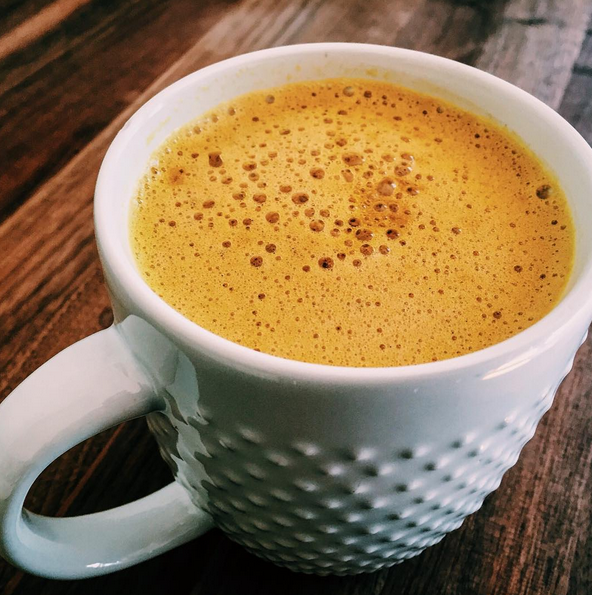
Brenden's coffee on Sunday morning
Brenden's recipe:
12 ounces Tandem Coffee Roasters Stoker Blend*
2 Tablespoons Jarrow MCT Oil*
2 Tablespoons Grass Fed Butter
2 heaping Tablespoons Great Lakes Hydrolyzed Collagen*
2 Teaspoons Gaia Golden Milk Powder**
- Brew with your choice of coffee brewer, I prefer a french press for this beverage. Make sure your water is not any hotter than 205 F, this will help preserve the delicate flavors of the beans. Let the coffee stand for 5 minutes before pressing.
- While the French Press is doing its magic, take two tablespoons each of Grass Fed Butter and MCT oil, and 2 teaspoons Gaia Golden Milk Powder, placing them in a blender.
- Once the coffee is ready, measure out 12ounces, pouring it into the blender.
- Blend on high for 30 seconds.
- Add two heaping tablespoons of collagen, and then blend on the lowest setting.
- Pour and serve.
* Find these ingredients at Cambridge Naturals
** Gaia Herbs products (including Golden Milk) are on sale 20% OFF throughout the month of September!
Gray Hair, Don’t Care
While we have some excellent and effective natural hair dye kits, a rising number of mature and younger women are choosing to let their gray roots grow and their silver locks show. And, it’s hard to find great information on how to manage and even enhance your natural greys - most Google searches result in tips on how to darken, color or hide them! Below, some tips for unleashing those sterling strands and letting them shine...
While we have some excellent and effective natural hair dye kits, a rising number of mature and younger women are choosing to let their gray roots grow and their silver locks show. And, it’s hard to find great information on how to manage and even enhance your natural greys - most Google searches result in tips on how to darken, color or hide them! Below, some tips for unleashing those sterling strands and letting them shine:
Article from MAN REPELLER featuring five silver-haired beauties.
Tip #1 Silver hairs tends to be drier than your original hair color. Keep it extra hydrated with a weekly moisturizing hair mask while you shower. We recommend Josh Rosebook’s Enrich Masque and ACURE Deep Root Conditioner.
Tip #2 Don’t shampoo every day - instead, use hair rinses (see tip #3), dry shampoo, and even cleansing conditioners like Alaffia’s Coconut Reishi Cleansing Conditioner to keep your hair clean and hydrated without stripping your natural oils away.
Tip #3 Nettle leaf rinses - which are great for any hair color - help to keep hair soft, shiny and healthy. Grey hairs can be brittle and break off, resulting in those short spiky little white hairs at the top of your head. To keep them growing long and luscious, try a monthly Nettle rinse. Pour 16oz boiled water over 3 tbsp nettle leaf (which you can find in our bulk section), let steep overnight, strain and pour the cooled rinse over your hair in the shower. Allow to sit for 5-10 mins and then rinse out.
Tip #4 A good Skin Hair & Nails multivitamin can help with hair growth and strength - especially necessary to protect those delicate gray strands - we recommend Megafood's Skin Hair & Nails multi, which contains the usual suspects like Biotin and Silica, as well as a “Beautifying Blend” containing herbs like Nettle and Horsetail.

Matr Boomie 1920's inspired silver headband
Tip #5 Add a new hair accessory to show off those lustrous pearly locks! We’ve got several sparkly headbands and elegant hair clips from companies like Matr Boomie and Oberon Design. You’ll be amazed at how many compliments you’ll get when you choose to let your silver hairs show.
COMFREY (Symphytum officinale): A healer of wounds, bruises and bones
By Steph Zabel
Herbalist, Ethnobotanist and Educator
September’s herb is a bit different than all of our past monthly plant profiles. This month we focus on the great green healer, comfrey. But, unlike all the other plants we’ve covered here, comfrey is meant for external use only, rather than for taking internally. (And I’ll explain why as we go along.)
Perhaps you’ve seen this lush, leafy plant growing in a garden, or even alongside the edge of a forest, where it has escaped cultivation and is happily growing in the partial shade. If you walk along the Somerville bike path you are sure to see some half-wild comfrey growing along the edges. In the summertime you’ll notice it’s lovely violet-hued flowers which are born on a spiral-shaped stalk and hang downwards like small bells.
By Steph Zabel
Herbalist, Ethnobotanist and Educator
September’s herb is a bit different than all of our past monthly plant profiles. This month we focus on the great green healer, comfrey. But, unlike all the other plants we’ve covered here, comfrey is meant for external use only, rather than for taking internally. (And I’ll explain why as we go along.)
Perhaps you’ve seen this lush, leafy plant growing in a garden, or even alongside the edge of a forest, where it has escaped cultivation and is happily growing in the partial shade. If you walk along the Somerville bike path you are sure to see some half-wild comfrey growing along the edges. In the summertime you’ll notice it’s lovely violet-hued flowers which are born on a spiral-shaped stalk and hang downwards like small bells.
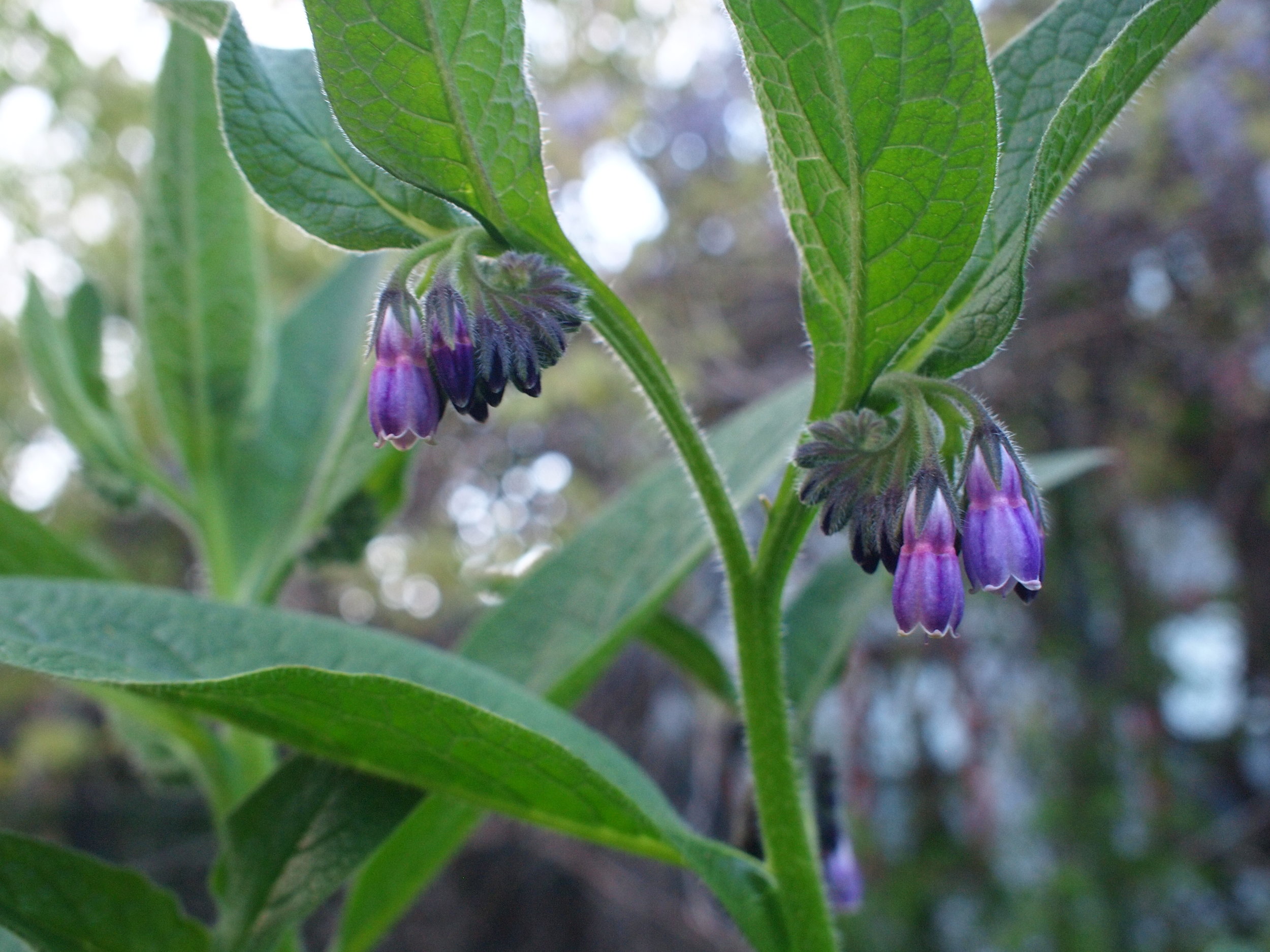

This lovely plant is originally native to Europe but it’s commonly found naturalized throughout parts of North America. Early colonists brought the plant with them when they settled in the new land.
Comfrey was once commonly called Knitbone because of its amazing ability to heal broken bones and “knit” them back together again. The botanical name, Symphytum, means “to unite.”
The incredible healing action this plant has on broken bones and wounds comes from a constituent contained in the leaf and root called allantoin. This compound is a cell proliferant which helps to regenerate wounded areas of the body and speed up new healthy cell growth.
Comfrey is one of my favorite herbs for bruises, especially, and I have seen it work its magic overnight. I once witnessed the external application of comfrey placed on terrible blue-black colored bruises and after being on the effected area for one night (as a poultice) the bruises quickly started to fade and went from black in color to a pale yellow. It was amazing to see this transformation happen so rapidly.

The plant is also excellent to use topically on sprains, pulled muscles, swellings and fractures. It is a wonderful first aid herb to have on hand in case you or someone you know twists their ankle. A foot soak or a poultice of comfrey can bring relief and help speed up the healing process.
But comfrey must be used with caution and respect. It is such an excellent and speedy wound-healing remedy that it actually should not be used on deep wounds or lacerations. It could potentially heal the top layer of skin before the bottom layer, resulting in an abscess. So please do avoid comfrey for major skin wounds, and use it only for bruises, sprains and minor cuts and scratches.
In addition, much debate surrounds the safety of consuming comfrey internally, even though for centuries it was used in Greek medicine and by European physicians for respiratory and digestive issues. The controversy is due to the fact that the plant contains pyrrolizidine alkaloids that can be harmful to the liver in high doses. These alkaloids can do damage — especially to people who already have a compromised liver — so it is advised to use comfrey topically and not internally to be on the safe side.
That said, there is no reason to fear this plant when it is used correctly. Just don’t use comfrey on deep open wounds, and avoid all internal use.
HOW TO USE:
There are many ways to use comfrey topically on the body through compresses, poultices, liniments and infused oils. One of my favorite ways is to make a simple compress. If you’ve never made one before, it may sound daunting but it is actually very straightforward. A compress is simply a cloth soaked in an herbal tea (or sometimes a tincture or oil) and then placed on the the body. The skin absorbs the healing properties of the liquid and penetrates to the affected area. Compresses can be applied warm or cold. Warm compresses will be more relaxing, help with muscle tightness and bring more blood to the area. Cold compresses are constricting, slow down circulation and can help reduce bleeding and pain.

HOW TO MAKE A COMPRESS:
Make a strong comfrey tea, using 2 Tablespoons of dried herb per cup of hot water. Strain out the herb after 10-15 minutes.
Let the tea cool if making a cold compress, or use it right away (at a comfortable temperature) for a warm compress. The tea can be heated back up if necessary.
Soak a clean piece of fabric or a washcloth in the tea and squeeze out the excess liquid.
Place the soaked cloth on the affected area and, if possible, wrap it around the body. Let it sit for at least 10 minutes. Re-soak the cloth as needed.
Steph Zabel, MSc, is an herbalist and educator who helps urban dwellers connect with the plant world. She teaches herbal classes, is available for individual wellness consultations, and is also the founder of HERBSTALK, Boston’s community herbal conference. Learn more about her work at: www.flowerfolkherbs.com and www.herbstalk.org.
References:
http://www.botanical.com/botanical/mgmh/c/comfre92.html
http://umm.edu/health/medical/altmed/herb/comfrey
This blog post — COMFREY (Symphytum officinale): A healer of wounds, bruises and bones — is for general health information only. This blog post is not to be used as a substitute for medical advice, diagnosis or treatment of any health condition or problem. Users of this Web site should not rely on information provided on this Web site for their own health problems. Any questions regarding your own health should be addressed to your own physician or other healthcare provider.
Making Tacos with Seoul
Fermented foods are definitely having a moment, these days. It turns out that these techniques, used by our ancestors since time immemorial to preserve food, produce the very types of healthy probiotic bacteria that we in the modern age know to be essential for good gut health. In turning back to these techniques, we're also rediscovering something else our ancestors knew quite well: fermented foods taste incredible!
Another major trend in the food world right now is east/west fusion, which collides in happy harmony with the fermentation craze in the form of the mighty Korean Taco! This increasingly popular LA street food is making some major in-roads here on the east coast, with not one but two new spots serving them up on Brighton Ave in trendy Allston. Is kimchi the new pico? Bulgogi the new carnitas? Only time will tell, but we here at Cambridge Naturals would like to share some ideas with you about how to bring this taco trend to your table in a vegan, gluten-free manner which is both nutritious and delicious.
This mouth-watering post was written by John B, a Customer Service Specialist on Team Grocery, and a fan of all things umami.
Fermented foods are definitely having a moment, these days. It turns out that these techniques, used by our ancestors since time immemorial to preserve food, produce the very types of healthy probiotic bacteria that we in the modern age know to be essential for good gut health. In turning back to these techniques, we're also rediscovering something else our ancestors knew quite well: fermented foods taste incredible!
Another major trend in the food world right now is east/west fusion, which collides in happy harmony with the fermentation craze in the form of the mighty Korean Taco! This increasingly popular LA street food is making some major in-roads here on the east coast, with not one but two new spots serving them up on Brighton Ave in trendy Allston. Is kimchi the new pico? Bulgogi the new carnitas? Only time will tell, but we here at Cambridge Naturals would like to share some ideas with you about how to bring this taco trend to your table in a vegan, gluten-free manner which is both nutritious and delicious.

Arnold Gatilao via Wikimedia Commons
For your fillings, try pan-frying our Hosta Hill tempeh in Dr. Bronner's coconut oil with lime juice, cilantro, cumin, red pepper flake, and a pinch of our Sunfood pink himalayan crystal salt. For a bit more vegetable content, try roasting or grilling some cauliflower or zucchini with some of our Spectrum toasted sesame oil. Add your tempeh filling and roasted veggies to one of our gluten-free PureWraps, top with Chi vegan kimchi, and garnish with some of our Sunfood jungle peanuts, finely crushed, for a little extra crunchy texture.
There are lots of ways to make this recipe your own. Black beans or avocado could be brought in to highlight the taco's mexican roots. You could jettison the wrap altogether and serve it rice bowl style with our Truroots germinated brown rice. If you're not gluten-free, our Week Knees gojuchang sriracha sauce would compliment this meal perfectly. The potential combinations are endless! Cambridge Naturals has nearly everything you need to get started on this recipe and countless others, so drop us a line! Give us your best tips for how to prepare our delicious ingredients, and we'll give you ours! Bon apetit!
Bitters 101
By Mary, CN Blog Contributor and digestive health enthusiast
Remember when your parents would give you a dropper full of digestive bitters before dinner when you were a kid? Neither do I. But Guido Masé, chief herbalist at Urban Moonshine, sure does and he and the UM team are steadily bringing this long forgotten tradition back.
A group of us recently had a chance to meet Guido and the rest of the Urban Moonshine team, including founder Jovial King, for an amazing dinner and training session in Boston. While we shared edamame and rosé with our new friends, we learned exactly how bitters work and why they’ve been a focal point for the brand since its inception.
By Mary, CN Blog Contributor and digestive health enthusiast
Remember when your parents would give you a dropper full of digestive bitters before dinner when you were a kid? Neither do I. But Guido Masé, chief herbalist at Urban Moonshine, sure does and he and the UM team are steadily bringing this long forgotten tradition back.
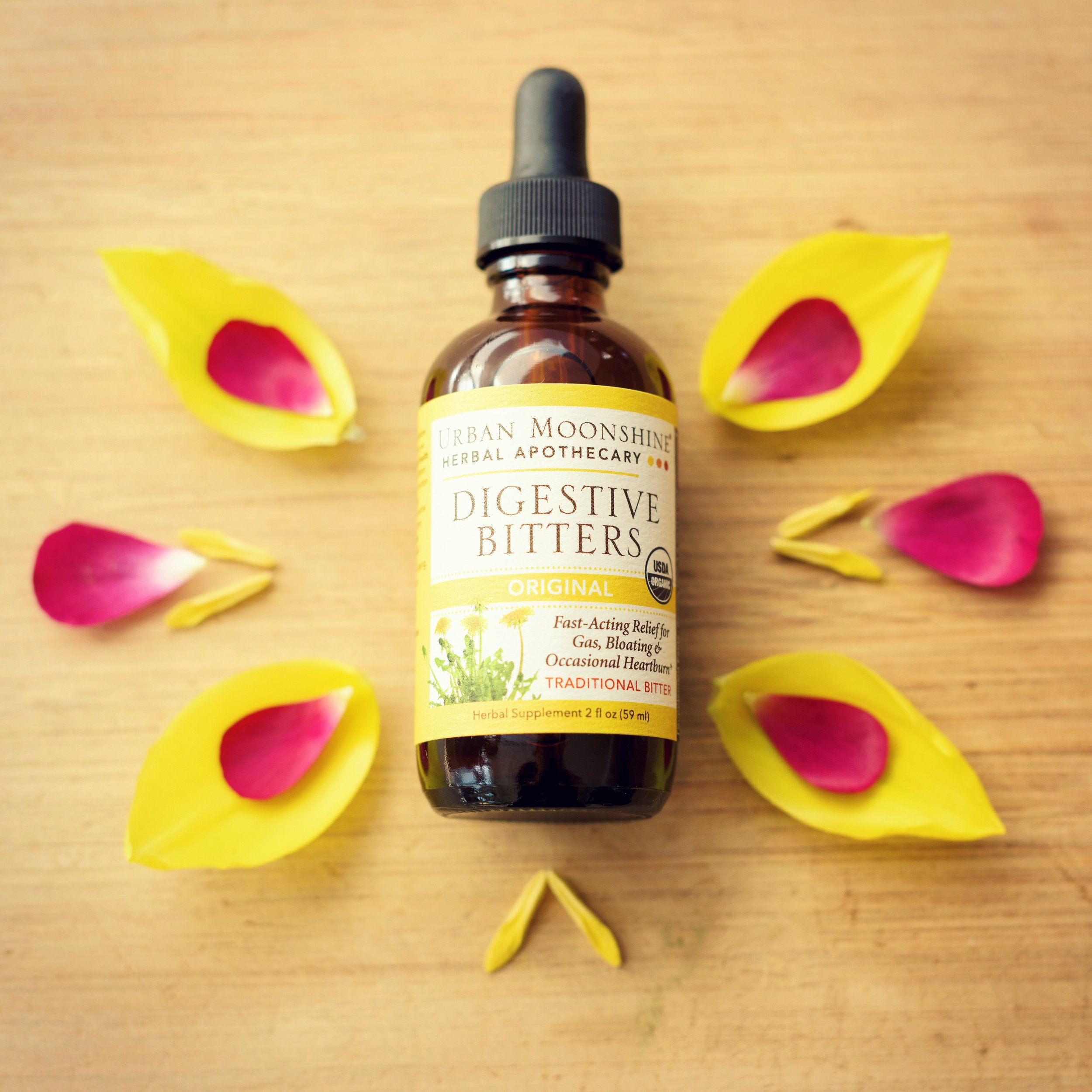
A group of us recently had a chance to meet Guido and the rest of the Urban Moonshine team, including founder Jovial King, for an amazing dinner and training session in Boston. While we shared edamame and rosé with our new friends, we learned exactly how bitters work and why they’ve been a focal point for the brand since its inception.
I’ve had many people scrunch their faces at the mere thought of the word “bitters” when they see me spritz some in my mouth before a meal. What you may not realize is that the bitter flavor so many of us resist is the exact flavor that our bodies are asking for when in digestive distress. By taking bitters the receptors on our tongue initiate a digestive wake-up call that echoes throughout our body. They’re safe to take daily, and in fact, it’s the gentle daily cleansing action that supports the liver and makes real lasting change on our health.
Some benefits from the daily use of bitters may include*:
- Balancing food sensitivities, allowing for a broader diet
- Easing heartburn and indigestion discomfort when taken after a meal
- Lessening gas and bloating when taken before a meal. These symptoms are often caused by undigested carbohydrates flying through our gut and bitters allow them to remain in our stomachs longer to be fully bathed in our digestive juices!
- Supporting clear, healthy skin
- Helping curb sugar cravings
- Cooling effect on entire digestive system
- Increasing digestive secretions
*These statements have not been evaluated by the Food and Drug Administration. Products made by Urban Moonshine are not intended to diagnose, treat, cure, or prevent any disease.
The more digestive support-savvy readers may be wondering about the difference between bitters and digestive enzymes. Although exogenous enzymes can help digestion enormously, they may not be tackling the root of the problem. I’m a fan of taking an enzyme after a particularly heavy meal (think: Thanksgiving), or if I eat late at night. But according to Guido Masé, taking an enzyme excessively basically telling your pancreas to go to sleep, while bitters encourage your system to do the work you want it to, on its own. Masé compared using bitters with riding your bicycle to work daily, vs. taking an uber.
One of the best tips Guido gave to us during the presentation was keeping one of the spray bottles in your car, purse, or backpack. Not only do bitters help you digest heavy meals at a restaurant or while traveling, but they can also help curb the post-dinner sugar crisis. Do you ever find yourself grabbing whatever sugar-filled, brightly packaged snack you’ve been trying to avoid out of hangry desperation? A few sprays of Urban Moonshine bitters on your tongue can help reduce the craving urge and keep you balanced, while you make a more mindful decision.

Citrus: Closest to a cocktail, the refreshing orange peel in this formula is perfect for the Don Drapers out there. Bring out your inner bartender and create an appertif for your next dinner party. Your friends will have no idea you hid something healthy in their cocktail, and doesn’t every health nut love tricking the people in their life into consuming their favorite herbal medicine?
Maple: Considered the training wheels to the bitters world. It’s made with real, organic, Vermont maple syrup. The slight sweetness of the maple takes the edge off of the bitterness that so many newbies run from. I love putting a dropper full of this in a glass of water and drinking it before or after a meal.
Chamomile: This is the only formula in their bitters line that is safe for mamas-to-be since they removed the gentian and angelica that are contraindicated for pregnancy. They also increased the ginger, making this the most antispasmodic of the four, so there’s extra tummy soothing power. This has quickly become a staff favorite since its release and I like to keep a spray bottle in my purse.
Original: The first. The foremost. The pioneer, if you will. For the bitters devotees who don’t want any fuss and the hard core herbal medicine lovers that don’t mess around. Guido Masé may have mentioned he uses this formula himself!

The owners of Zach Woods Herb Farm, where much of UM's organic ingredients are grown
We carry all of the current flavors in the Urban Moonshine bitters line at Cambridge Naturals in varying sizes. It’s safe to say the six of us who enjoyed this training have been taking our bitters very seriously ever since. Our digestive powers combined, who knows what we can accomplish.
This blog post — Bitters 101 — is for general health information only. This blog post is not to be used as a substitute for medical advice, diagnosis or treatment of any health condition or problem. Users of this Web site should not rely on information provided on this Web site for their own health problems. Any questions regarding your own health should be addressed to your own physician or other healthcare provider.
Monthly Muse: Steph Zabel
As part of an ever-growing community of individuals that continue to push the envelope in the natural health world, we’re happy to introduce this new monthly series highlighting locals who continually inspire us.
The bulk herb wall at Cambridge Naturals is often the most bustling section of the store. I love seeing and hearing the connections made between herbal enthusiasts, cooks, and DIY-beauty makers over the table. One of those frequent visitors is local herbalist Steph Zabel. She teaches classes on the art and science of herbal medicine practice and local plants. You may have noticed her very informative blog posts highlighting a different plant each month right here on our blog. Steph is also the founder of Herbstalk, an annual marketplace and herbal education event in Somerville, now going on its sixth year. Steph credits the help and support of fellow herbalists, friends, and neighborhood volunteers to getting Herbstalk started. As they say, it takes a village. And without her knowledge and grace bringing it all together, who knows how long we would have waited for such a brilliant idea to come to fruition! Read on for an interview to learn more about Steph and her work.
As part of an ever-growing community of individuals that continue to push the envelope in the natural health world, we’re happy to introduce this new monthly series highlighting locals who continually inspire us. - Mary
All photos by Todd Danforth
The bulk herb wall at Cambridge Naturals is often the most bustling section of the store. I love seeing and hearing the connections made between herbal enthusiasts, cooks, and DIY-beauty makers over the table. One of those frequent visitors is local herbalist Steph Zabel. She teaches classes on the art and science of herbal medicine practice and local plants. You may have noticed her very informative blog posts highlighting a different plant each month right here on our blog. Steph is also the founder of Herbstalk, an annual marketplace and herbal education event in Somerville, now going on its sixth year. Steph credits the help and support of fellow herbalists, friends, and neighborhood volunteers for getting Herbstalk started. As they say, it takes a village. And without her knowledge and grace bringing it all together, who knows how long we would have waited for such a brilliant idea to come to fruition! Read on for an interview to learn more about Steph and her work.


CN: What is your favorite place or thing to do in the Boston area?
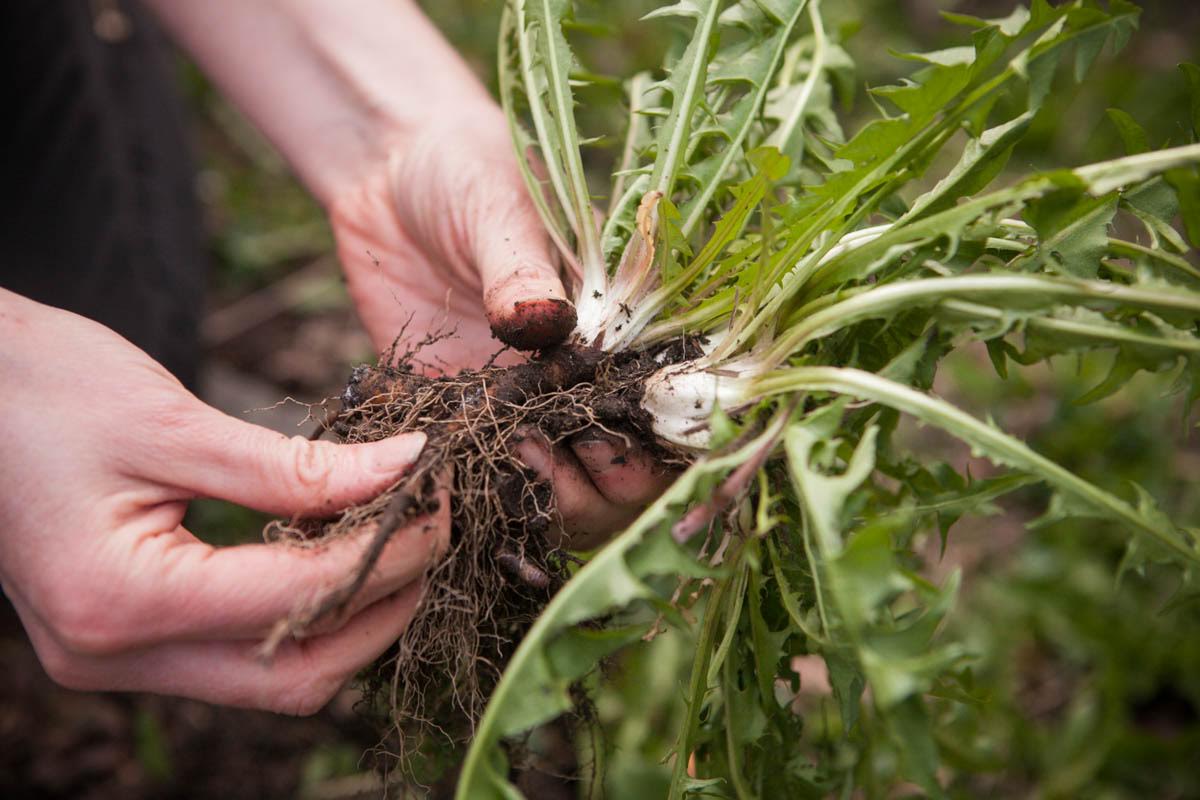
SZ: My favorite places in the Boston area are places that are filled with trees! In particular, I have two spots that are very special to me. One is the Mount Auburn Cemetery where I love to go walking in every season. It is such a beautiful oasis of plants and animals in the midst of the city. I’ve gone there for years and years and I still sometimes get lost on all the many trails that wind through the property! It is a wonderful and peaceful place to go for a stroll, take in the trees and plants and experience some quiet and calm throughout every season.
My other favorite place in the area is a beautiful grove of beech trees in Brookline. My husband took me to this spot on our first date nearly ten years ago, and later proposed to me underneath the trees, so it holds a very special place in my heart. The beech trees there are very old, very grand and very welcoming. You can walk underneath their towering branches — many of which touch the ground — and feel protected under their leafy shadows.
CN: What was the last book you read that you couldn’t put down?
SZ: Interestingly, for some reason I don’t read a lot of fiction. Instead, I tend to read a lot of non-fiction books on all sorts of topics, often several at a time! The last good book that I really enjoyed was called Illuminations: A Novel of Hildegard von Bingen. Hildegard was a woman ahead of her time; born in the 12th century she was sent away to live in a nunnery at a very young age. But despite all the restrictions of being a woman in the Middle Ages she had a remarkable life — she was a mystic, a brilliant composer, a leader of women, and of course, my favorite — an herbalist and healer for her community. I loved learning more about her story, strength and vision.

CN: How did you first become interested in herbalism?
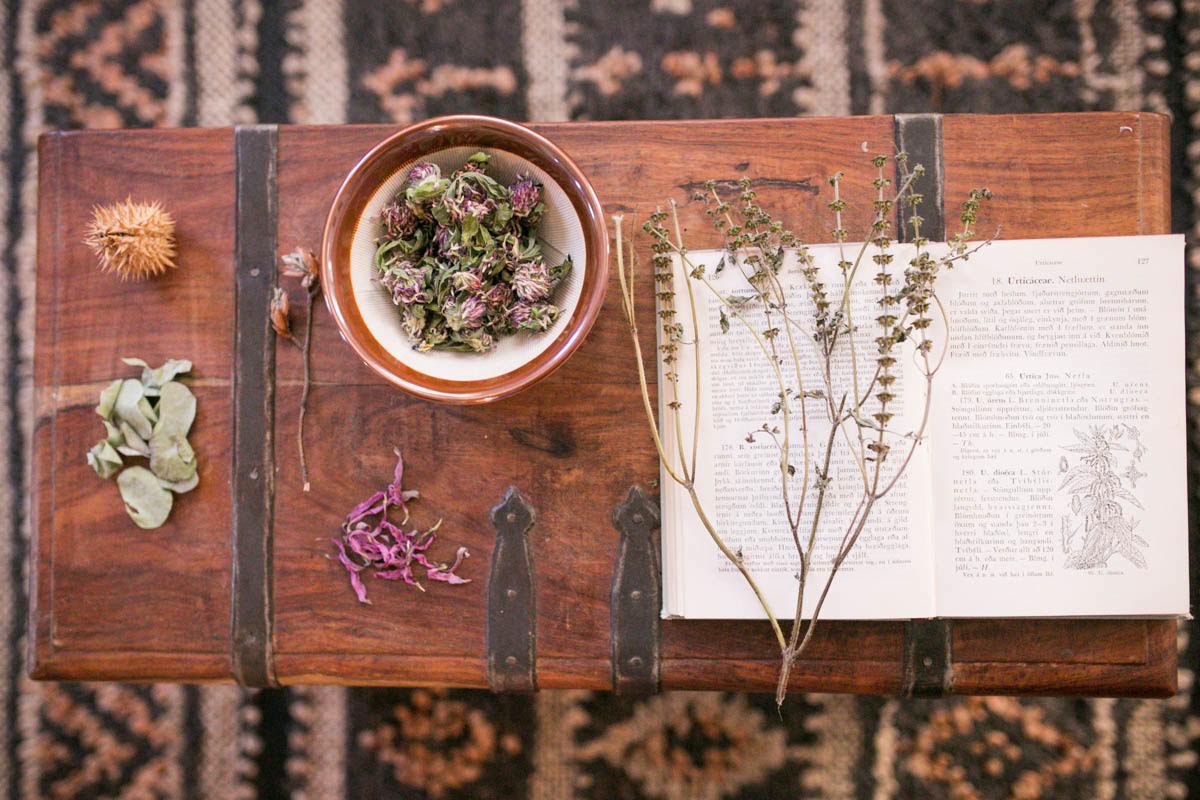
SZ: I don’t remember a specific moment when I first got interested in herbs — I think that I just always had a natural inclination towards plants and holistic healing that was fostered in me since I was young. Fortunately, my grandparents and parents are plant lovers and this really influenced me when I was growing up. Also, along the way I had several medical experiences that led me to see how conventional medicine has become so far removed from what I sensed to be truly healthy — and healing — for the whole body, mind and spirit. These experiences led me to search for natural and holistic ways of healing.
When I went to college I decided to study horticulture and biological sciences, and took many outdoor field botany classes which made me fall even more in love with the plant world. This then led me to graduate studies in ethnobotany, which in turn led me to study traditional herbalism. Once I started dedicating myself to learning more about herbs I realized that it was the true path for me. I felt called to help connect people to healing plants, especially for city-dwelling folks who often feel disconnected from the natural world. I have been working with — and continuing to learn about — herbs ever since. It truly is a lifelong path.
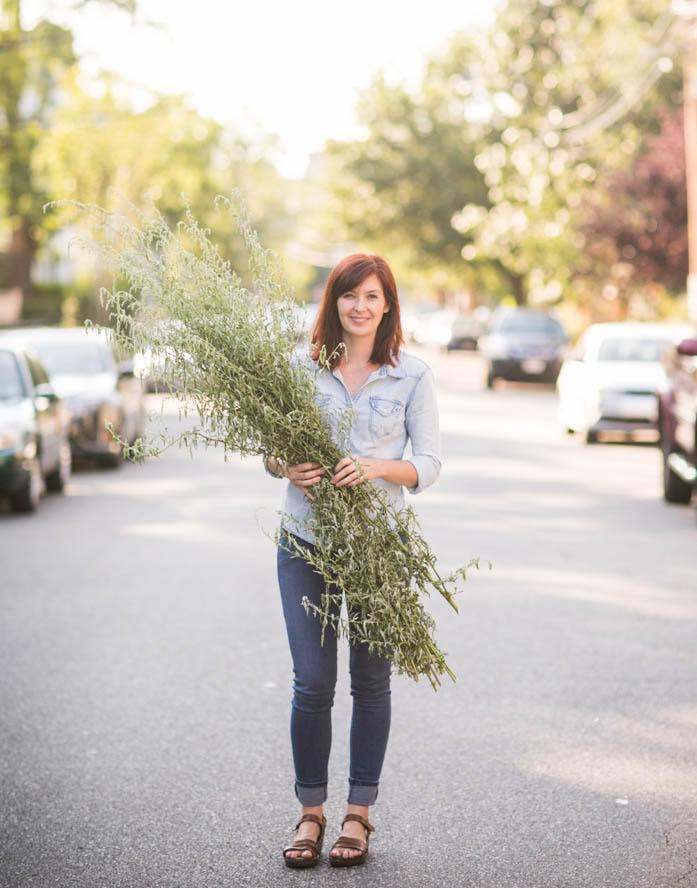
CN: What inspired you to start Herbstalk?
SZ: I have to admit that when the idea of Herbstalk first entered my consciousness, it seemed like a crazy, impossible dream! At the time I was in an herbal apprenticeship program and was getting more deeply immersed in the world of herbs. I felt so inspired. And then the idea just popped into my head — why not have a community herbal gathering in the city so that anyone can come and learn more about herbalism?… It felt important to make all the wonderful knowledge and know-how about herbs more widely accessible to a greater audience.
So, I talked to a few friends about it and finally one of them said “You should just make it happen, Steph!” So I mustered up some courage and started reaching out to a bunch of people to see what was possible. After lots and lots of work and planning, and with the incredible support of so many wonderful herbalists, teachers, and local businesses, Herbstalk came to life!
It’s hard to believe we’ve been around for more than 5 years at this point. I’m so grateful to be a part of this idea and the community it created. I feel like I’m just the facilitator or guardian of something that wanted to come to life — and I think it would have been happened in some way or another, no matter what. The incredible thing about ideas is that they can become more than just thoughts — they can become reality if you dedicate yourself to them. And of course none of this could have happened without a lot of local support, our countless volunteers, and the dedicated efforts of our core Herbstalk planning team. Herbstalk truly is a shared dream.
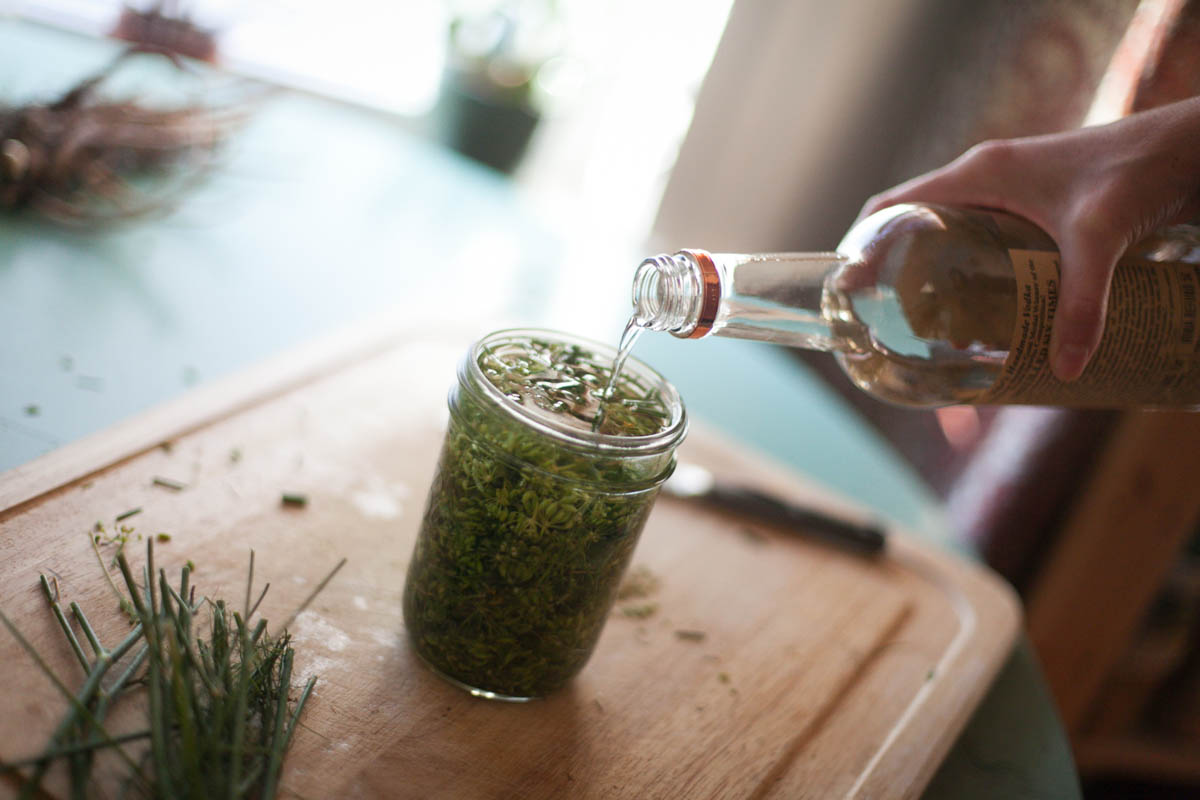
CN: What are your top three essential products from Cambridge Naturals?
SZ: #1 Can I say the whole bulk herb section?! The wonderful range of herbs that are always available at the store is definitely essential to my life, herbal practice and classes that I teach. If I ever run out of an herb in a pinch I am so grateful that I can just run over to CN to stock up. Thank you for supplying so many amazing bulk herbs! #2 Hu chocolate bars. This is the most delicious chocolate bar I’ve ever had. #3 Finally, Rishi teas. In particular, I love their pu-erh tea and drink it in the morning or later in the day. Yum.
Thank you so much to Steph Zabel for taking the time to share a bit about herself with us! Who or what are you inspired by? We’d love to hear your suggestions for the next Monthly Muse!