
The Naturalist Blog
*
The Naturalist Blog *
MariBerry (Mulled Elderberry) Syrup!
As the colder season sets in here in the north east, we tend to spend more time indoors: cooking, creating, gathering with friends, and nourishing ourselves with nutrient-rich foods and supportive, warming beverages. This year at Cambridge Naturals we've put together our own herbal mulling spice mix that we hope will add a little magic to your potlucks, holiday gatherings, and colder days.
With taste and immunity in mind, we thoughtfully blended a handful of organic ingredients from our bulk herb section that can be used to make traditional beverages like mulled wine and cider. We also like to blend the mix with black tea or chaga mushroom adding milk and honey for a spicy, warming chai.
As the colder season sets in here in the north east, we tend to spend more time indoors: cooking, creating, gathering with friends, and nourishing ourselves with nutrient-rich foods and supportive, warming beverages. This year at Cambridge Naturals we've put together our own herbal mulling spice mix that we hope will add a little magic to your potlucks, holiday gatherings, and colder days.
With taste and immunity in mind, we thoughtfully blended a handful of organic ingredients from our bulk herb section that can be used to make traditional beverages like mulled wine and cider. We also like to blend the mix with black tea or chaga mushroom adding milk and honey for a spicy, warming chai.
We've also created a mulled version of the well-loved elder berry syrup that is simple to make, fills the house with the aroma of spices, and supports the entire family through the winter season that often brings colds, flus, and shivers. In honor of Maribeth who created the recipe, we're calling it MariBerry Syrup.
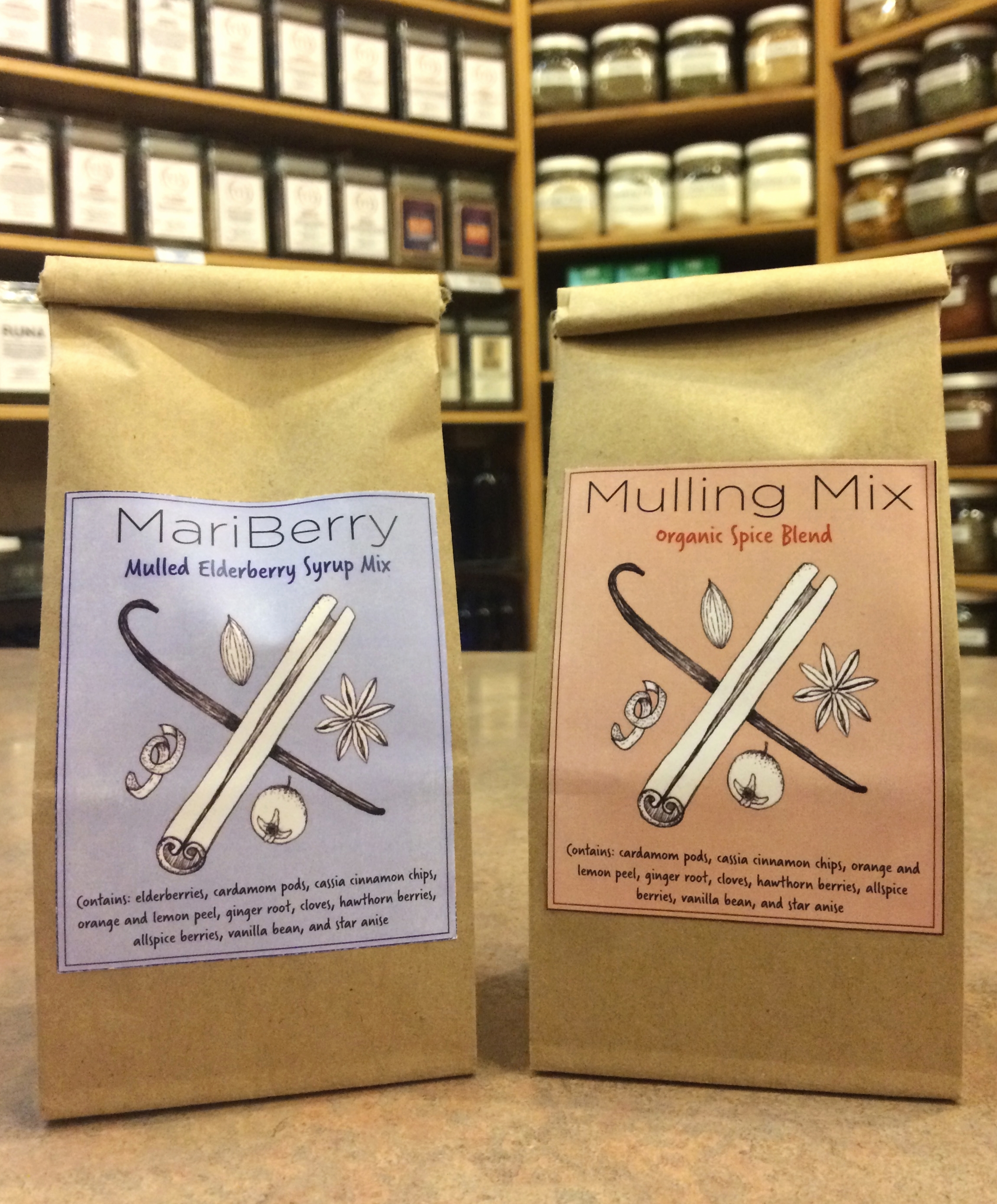
Our mulling spice mix includes cardamom pods, cassia cinnamon chips, orange and lemon peel. ginger root, cloves, hawthorn berries, allspice berries, vanilla bean, and star anise. We've also included a recipe card for our MariBerry Syrup which combines this mulling mix with elder berries and honey to make a yummy, supportive syrup. Come pick up a bag at the store for several opportunities to create tasty, cozy beverages!
If you'd like to read more about Elderberry, please visit our post by community herbalist Steph Zabel.
St. John’s Wort (Hypericum perforatum): An Herb for Body & Spirit
By Steph Zabel
Herbalist, Ethnobotanist and Educator
St. John's Wort is a plant of ancient use, one that has been a protector and healer of people for centuries. Folklore dictates that the herb wards off evil influences and protects against harmful, unseen forces.
While we may not use it in quite the same way as it once was, St. John’s Wort continues to offer physical, emotional and spiritual protection for modern humans living in a world with its own unique challenges and negative influences.
In recent times St. John’s Wort has been popularized for its ability to lift the spirits and to alleviate mild depression and seasonal affective disorder. In my experience it is indeed very useful when one feels melancholic, especially in the deep winter months. It seems fitting that such bright yellow flowers would be uplifting in darker days, especially Hypericum flowers which bloom right at the peak of summer, when the days are longest. If you sometimes suffer from seasonal melancholy or from “the blues”, you might consider bringing this joyful, light-filled herb into your life.
By Steph Zabel
Herbalist, Ethnobotanist and Educator
St. John's Wort is a plant of ancient use, one that has been a protector and healer of people for centuries. Folklore dictates that the herb wards off evil influences and protects against harmful, unseen forces.
While we may not use it in quite the same way as it once was, St. John’s Wort continues to offer physical, emotional and spiritual protection for modern humans living in a world with its own unique challenges and negative influences.
In recent times St. John’s Wort has been popularized for its ability to lift the spirits and to alleviate mild depression and seasonal affective disorder. In my experience it is indeed very useful when one feels melancholic, especially in the deep winter months. It seems fitting that such bright yellow flowers would be uplifting in darker days, especially Hypericum flowers which bloom right at the peak of summer, when the days are longest. If you sometimes suffer from seasonal melancholy or from “the blues”, you might consider bringing this joyful, light-filled herb into your life.
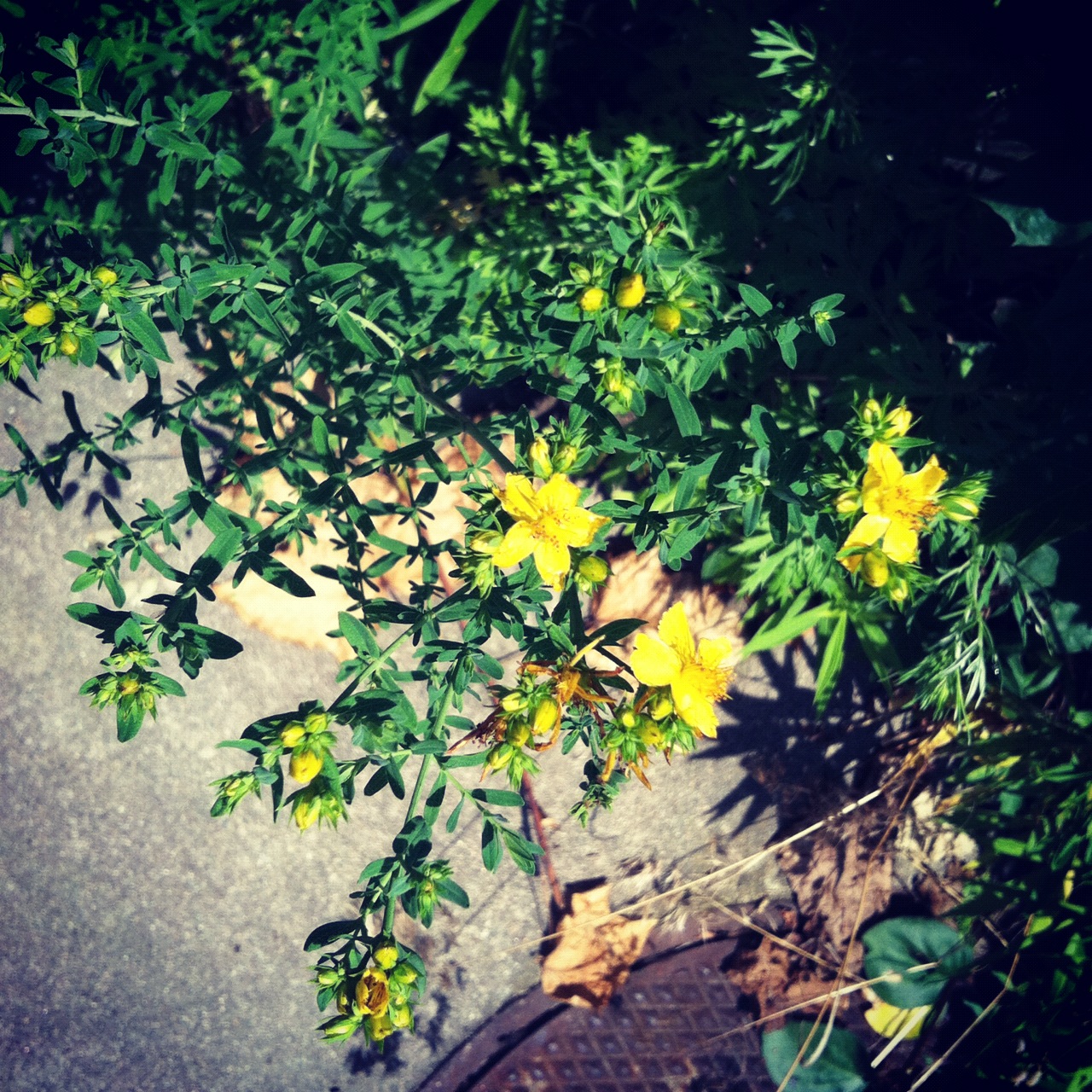
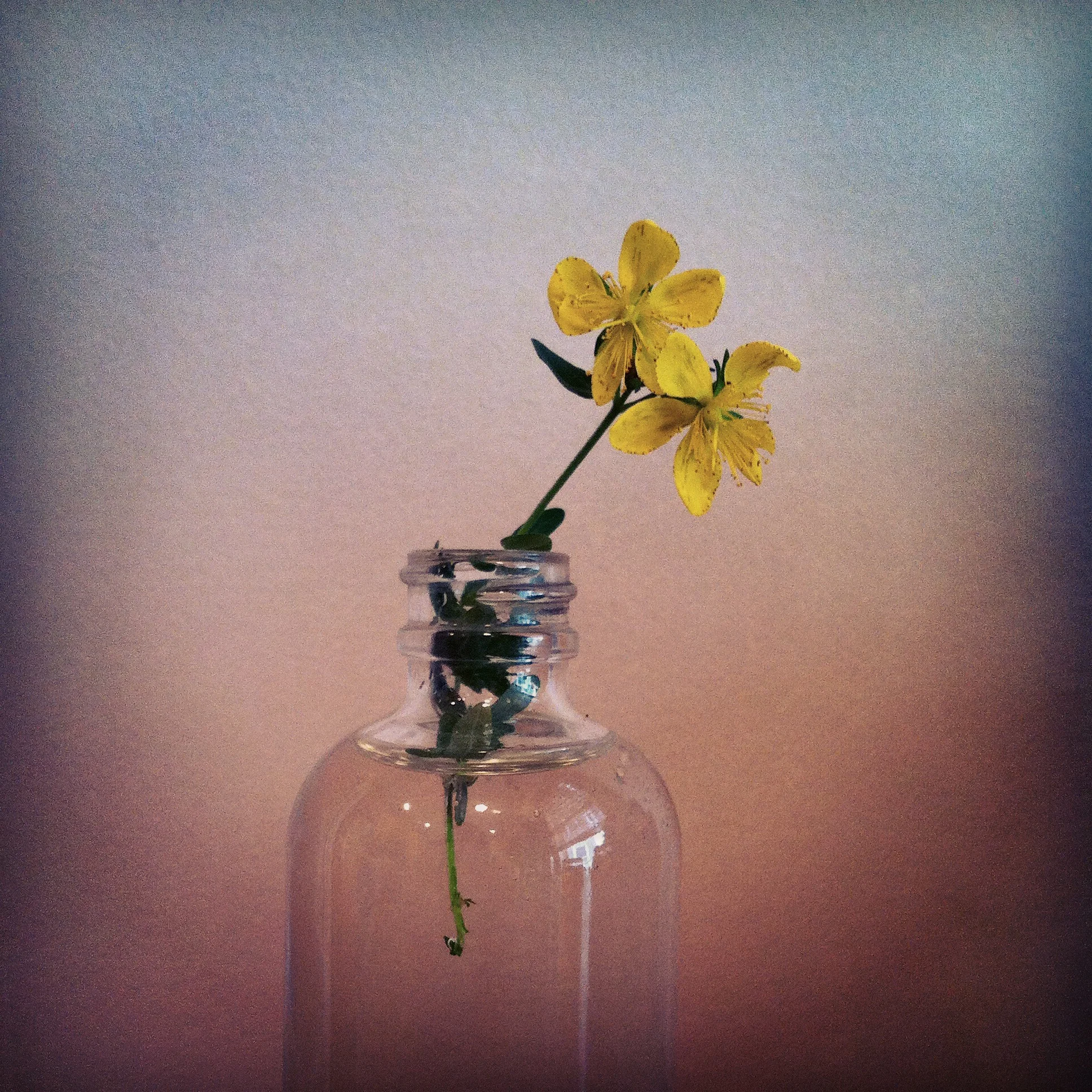
St. John’s Wort also has a great affinity for the whole nervous system. In particular I have found it remarkable for its ability to help with feelings of nervousness, anxiety and vulnerability. Personally, I have used both the flower essence and the tincture with very noticeable results to help myself feel protected, safe and centered when I otherwise would have felt anxious. In general, I find that St. John’s Wort is an amazing support for sensitive people who tend to feel uncomfortable or overwhelmed in new social situations, or who need to feel more protected in order to express themselves.
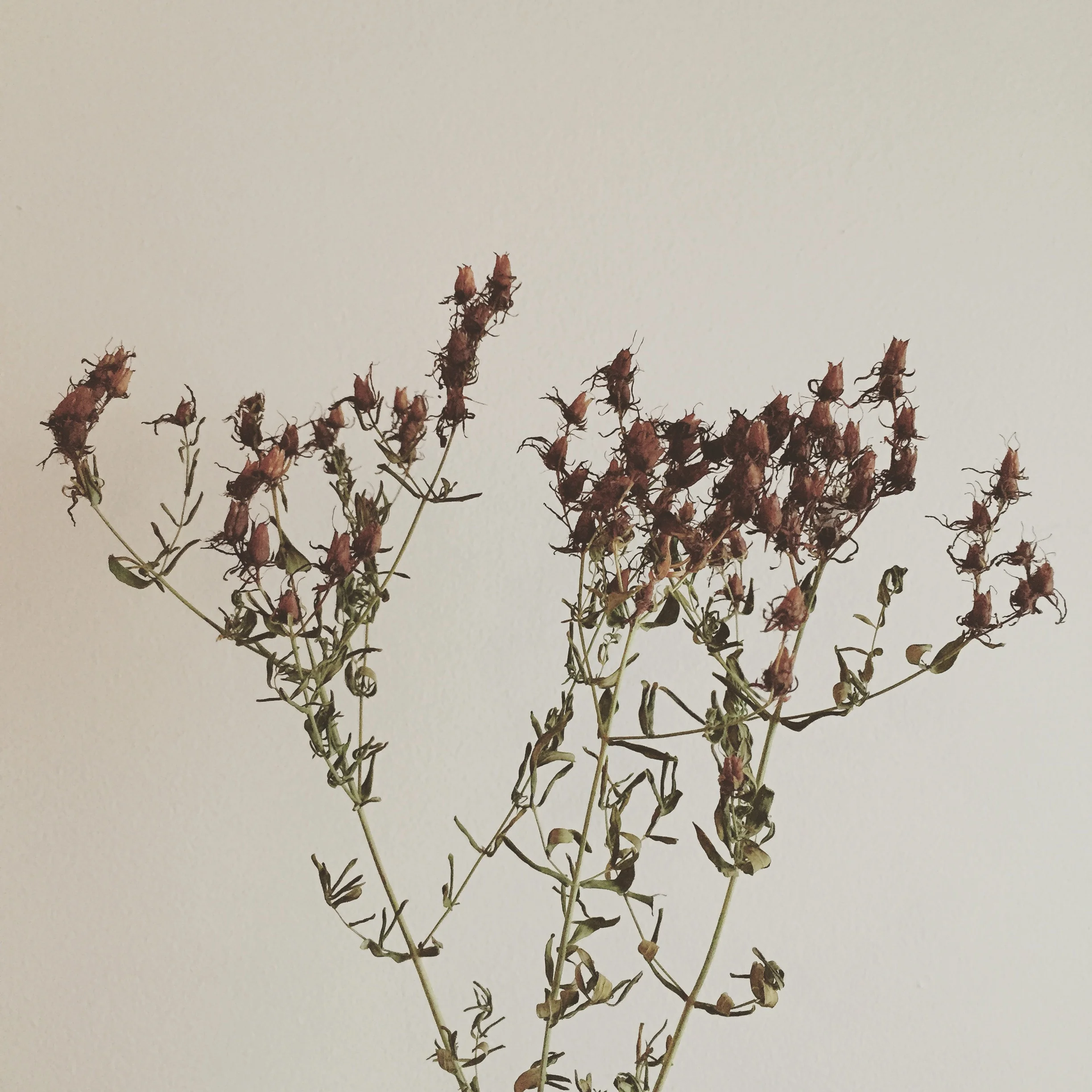
St. John's Wort is a slightly bitter herb, which makes it beneficial for the digestive organs by stimulating gastric juices and bile flow. It also affects the liver, speeding up the metabolic process and removing toxins from the system. This brings me to a word of caution about Hypericum: if you are taking any pharmaceutical medications it is best to avoid using this plant. St. John’s Wort increases the activity of liver enzymes that metabolize drugs so using this herb in combination with any medications is not recommended.
Traditionally, this beautiful plant has also been used externally as a wound healer. The infused medicinal oil, red from the crimson-hued juice of the flower buds, can be rubbed into the skin. This oil has been used with great success to help with the pain of burns, sore muscles, sciatica and damaged nerves. I have seen it work wonders for the excruciating pain of shingles.
Although it’s now too late in the season, next time you come across a flowering St. John’s Wort, crush a blossom between your fingers. It will exude a deep red stain. This pigment is the bioactive compound hypericin, where much of Hypericum’s medicine resides. Then, take one of the plant’s leaves and hold it up to the sunlight. Can you see small window-like holes in the leaf? This is another excellent way to identify the plant — there aren’t many leaves that are able to let the sunlight shine right through them.
HOW TO USE:
St. John’s Wort may be used in tea or tincture form, but remember that if you are on any medications ingesting the physical herb is not recommended.
The infused medicinal oil can be used topically, and is a wonderful addition to any home apothecary for use on minor wounds, burns and sore muscles.
As a flower essence St. John’s Wort is especially beneficial for sensitive people, providing emotional protection, healthy boundaries, and the ability to share one’s own unique inner light with others.
This beautiful plant has many gifts to offer us — I encourage you to seek out St. John’s Wort and to welcome it’s joyful, healing qualities into your life.
Steph Zabel is an herbalist and educator based in Somerville, MA who helps urban dwellers connect with the plant world. She teaches herbal classes, is available for individual wellness consultations, and is also the founder of HERBSTALK, Boston’s community herbal conference. Learn more about her work at: www.flowerfolkherbs.com and www.herbstalk.org.
REFERENCES:
https://umm.edu/health/medical/altmed/herb/st-johns-wort
Wood, M. The Earthwise Herbal: A Complete Guide to Old World Medicinal Plants
http://www.herbcraft.org/commonherbs.html
http://medherb.com/hypericum-drug-herb.html
http://www.healthy.net/Materia_Medica/St_Johns_Wort_Herbal_Materia_Medica/283
This blog post — St. John’s Wort (Hypericum perforatum): An Herb for Body & Spirit — is for general health information only. This blog post is not to be used as a substitute for medical advice, diagnosis or treatment of any health condition or problem. Users of this Web site should not rely on information provided on this Web site for their own health problems. Any questions regarding your own health should be addressed to your own physician or other healthcare provider.
New Tonic Blends from Oregon's Wild Harvest!
"Everything is interrelated. Healthy food is our medicine. Growing herbs on a holistic farm is just another quest in our path to provide customers with only the healthiest plant material available on the planet." - Randy Buresh, Co-Founder, Oregon's Wild Harvest
The power of herbal remedies and food as medicine is a synergistic relationship between all of our senses coming in contact with a plant or blend of plants. The experience begins with our nose, scent triggers a response in our body that yes, this is good, show me more.
As we begin to taste, we wake up our cells to the medicine as it enters our blood stream. Finally we begin to feel the nuances and effects of the herbs or food we have just consumed. This can happen in a matter of seconds and linger long after we've sipped our tea or eaten our breakfast.
"Everything is interrelated. Healthy food is our medicine. Growing herbs on a holistic farm is just another quest in our path to provide customers with only the healthiest plant material available on the planet." - Randy Buresh, Co-Founder, Oregon's Wild Harvest
The power of herbal remedies and food as medicine is a synergistic relationship between all of our senses coming in contact with a plant or blend of plants. The experience begins with our nose, scent triggers a response in our body that yes, this is good, show me more.
As we begin to taste, we wake up our cells to the medicine as it enters our blood stream. Finally we begin to feel the nuances and effects of the herbs or food we have just consumed. This can happen in a matter of seconds and linger long after we've sipped our tea or eaten our breakfast.
Here at Cambridge Naturals we patiently awaited the arrival of certified biodynamic herbal tonics by Oregon's Wild Harvest. They are here! We are elated to share this limited run of supplements that were made in small batches, only from the plants the land yielded. We are honored to be one of the few shops to carry these products. Below I share two of the six tonics that I've quickly become a fan of.

HappyBelly is Oregon's Wild Harvest's take on herbal bitters. Fresh burdock root, artichoke leaf, fresh dandelion root, peppermint leaf, and yarrow are combined to create a delicious, powerful blend of herbs to support healthy digestion. A serving size of only 1/2 a teaspoon is recommended and the taste is warm and spicy finishing with a hint of sweet licorice root and cinnamon bark. I've used this blend before a meal to promote healthy digestive juices and afterward to keep gas and bloating at bay. With the colder seasons upon us, I can see myself using this blend to promote circulation and especially to help break down rich, hearty, and sometimes indulgent meals.

Namaste is a blend to soothe a frazzled or anxious nervous system. This is possibly one of the most important tonics for me, especially during times of transition, whether that be seasonal or just throughout my day. Some of my strongest herbal allies make up this blend: fresh milky oat tops, fresh passionflower tops, skullcap tops, and fresh lemon balm. With a hint of lavender, just the aromatics of this blend quickly quiet my overactive system, bringing me into a state of calm peace. I not only find this blend to be helpful during stressful situations, but it has been important for promoting a deep, restful sleep when I can't seem to quiet my mind.
Here at the store we offer 4 other flavors, creating a 6-tonic rainbow of herbal support. We'd be happy to talk to you about all of them and find the best blend for you.

This blog post — New Tonic Blends from Oregon's Wild Harvest! — is for general health information only. This blog post is not to be used as a substitute for medical advice, diagnosis or treatment of any health condition or problem. Users of this Web site should not rely on information provided on this Web site for their own health problems. Any questions regarding your own health should be addressed to your own physician or other healthcare provider.
Six Autumn Essentials to Get You Through 'til Winter Break

The holiday break is just around the corner, folks! Alex put together this list of six must-haves for getting through the fast-paced autumn season in style:
Simply Curated: These small sized travel candles are beautiful and smell great. I love the idea of being able to bring them with me on my travels! Simply Curated uses 100% pure soy wax that is sourced from the US only, as well as domestically sourced wood wicks. They are always hand poured and phthalate free and oh so pretty!
Klean Kanteen: recently introduced these slimmer mouthed insulated bottles. Perfect for the winter, they will keep your coffee or tea hot literally for hours. Or for that hardcore New Englander, it will keep the ice in your cold brew from melting. Either way, you will be cutting down on those wasteful to go cups and sipping on something delicious!
Soul Sunday: This beautifully branded aromatherapy roll-on are made from coconut oil and 100% pure essential oils. perfect for decompressing on the go, you can apply this oil to your temples and wrists and breathe in!
Perfect Fuel: These little bites of energy will satisfy your chocolate craving while providing a quick boost! This Boston based company makes bite sized chocolate with ginseng, espresso or chia. All delicious and help get you through your day or work out!
Pure Life GABA-Max: Stressed? Me too. That’s okay… with a little bit of GABA, one may feel chill within no time. The main ingredient of this formula is compound known as Phenyl-GABA, a derivative of the well established endogenous inhibitory neurotransmitter in our brains, GABA. When taken orally, Phenyl-GABA crosses the blood-brain barrier and may support feelings of relaxation. While many like this product, please do consult your physician when trying any new supplement!
Herbalogic Fixed Focus: Herbalogic focuses on Chinese herbal blends and use three methods of extraction, water, glycerin and alcohol, to provide you with an extra potent and unique product. Their Fixed Focus blend helps support mental clarity and concentration without making you feel wired or jittery.
Milk Thistle: Food for the Liver
By Steph Zabel
Herbalist, Ethnobotanist and Educator
This year I grew glorious Milk Thistle for the first time in my garden. With its sharp, prickly leaves it is not usually the first choice for gardeners, but for an herbalist, it is an exciting plant to grow. All summer long I observed as it spread out its milky-splotched leaves and unfurled its purple-flowers.
And now I have been rewarded with a harvest of fresh milk thistle seeds — the most prized and potent part of the plant. (Well, my favorite part, at least!)
By Steph Zabel
Herbalist, Ethnobotanist and Educator
This year I grew glorious Milk Thistle for the first time in my garden. With its sharp, prickly leaves it is not usually the first choice for gardeners, but for an herbalist, it is an exciting plant to grow. All summer long I observed as it spread out its milky-splotched leaves and unfurled its purple-flowers.
And now I have been rewarded with a harvest of fresh milk thistle seeds — the most prized and potent part of the plant. (Well, my favorite part, at least!)
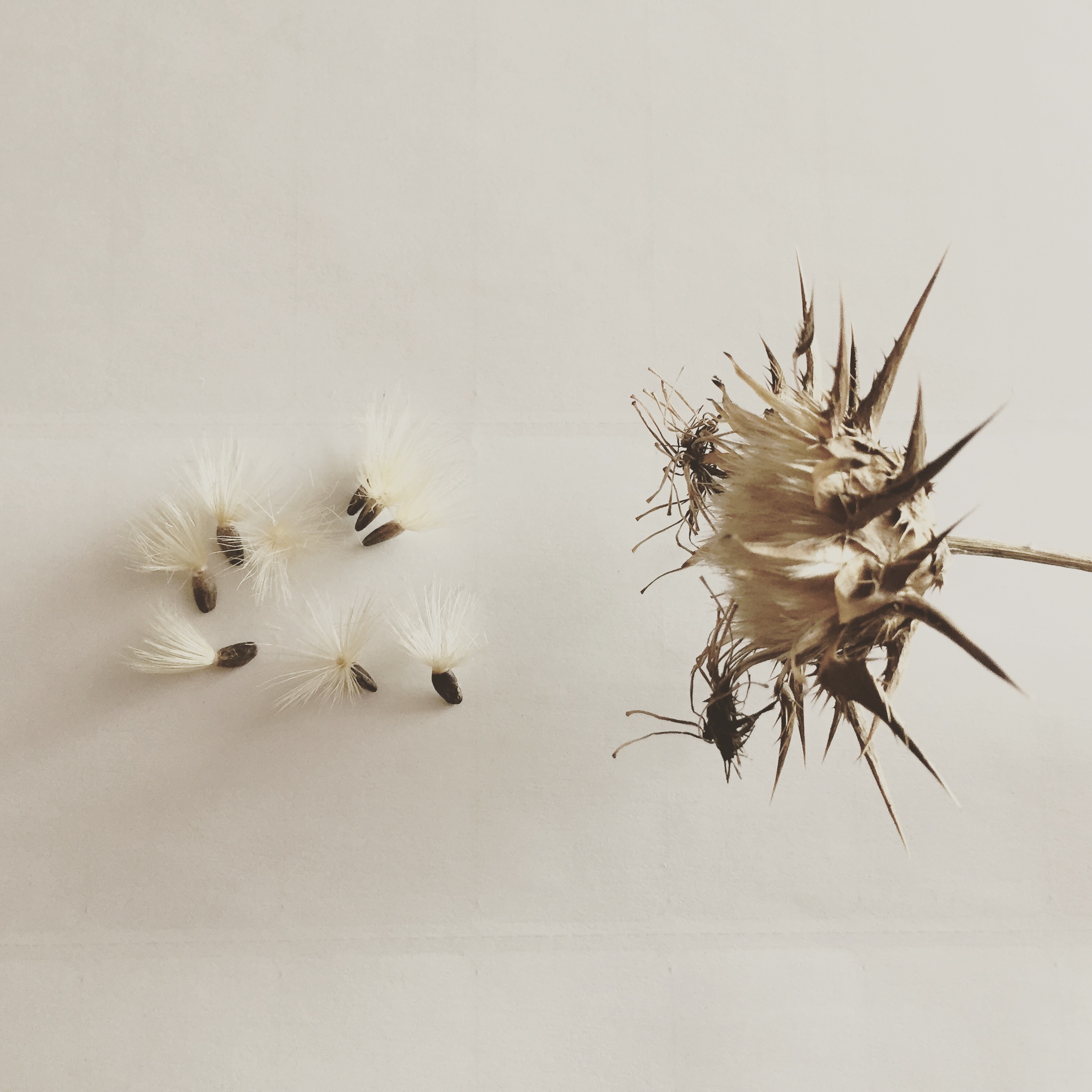

Milk thistle (Silybum marianum) is not widely known outside of the herbal world. And that’s a shame, because it is an incredibly healthful herb that can easily be incorporated into anyone’s daily routine. My favorite way to use milk thistle seeds is simply to grind them up and sprinkle them on anything and everything I’m eating. I keep a small jar of the freshly ground seeds on my kitchen table so that I remember to add them to my meals — they are equally great on breakfast eggs, lunchtime salads, or savory dishes at dinner.

So, why would you want to eat these unusual seeds?
Well, quite simply, milk thistle is one of our best plants for supporting overall liver health. The seeds impart a protective effect on the liver, and help to prevent the absorption of substances that are damaging. In a world filled with environmental toxins, chemicals, alcohol and drugs, milk thistle is very beneficial indeed.
It is a very practical herb to have on hand for any indulgent occasion… Too much rich food? Too much alcohol? Milk Thistle! Just eat some seeds (ideally before and) after to help keep your liver moving along happily.
With an affinity for the liver, milk thistle really is like a food, helping to build and rejuvenate this vital organ. By increasing protein synthesis, milk thistle’s effects also lead to the growth of healthy new liver cells. Herbalists of past and present have used the seeds for cirrhosis of the liver, hepatitis, alcohol damage, and for an overall congested or sluggish liver.
I hold a special place in my heart for this dear plant and its supportive effects. I have a family member with hepatitis who has taken milk thistle seeds regularly for the past several years. I am grateful to report that her liver is going strong, her blood tests are normal, and she is healthy and happy!
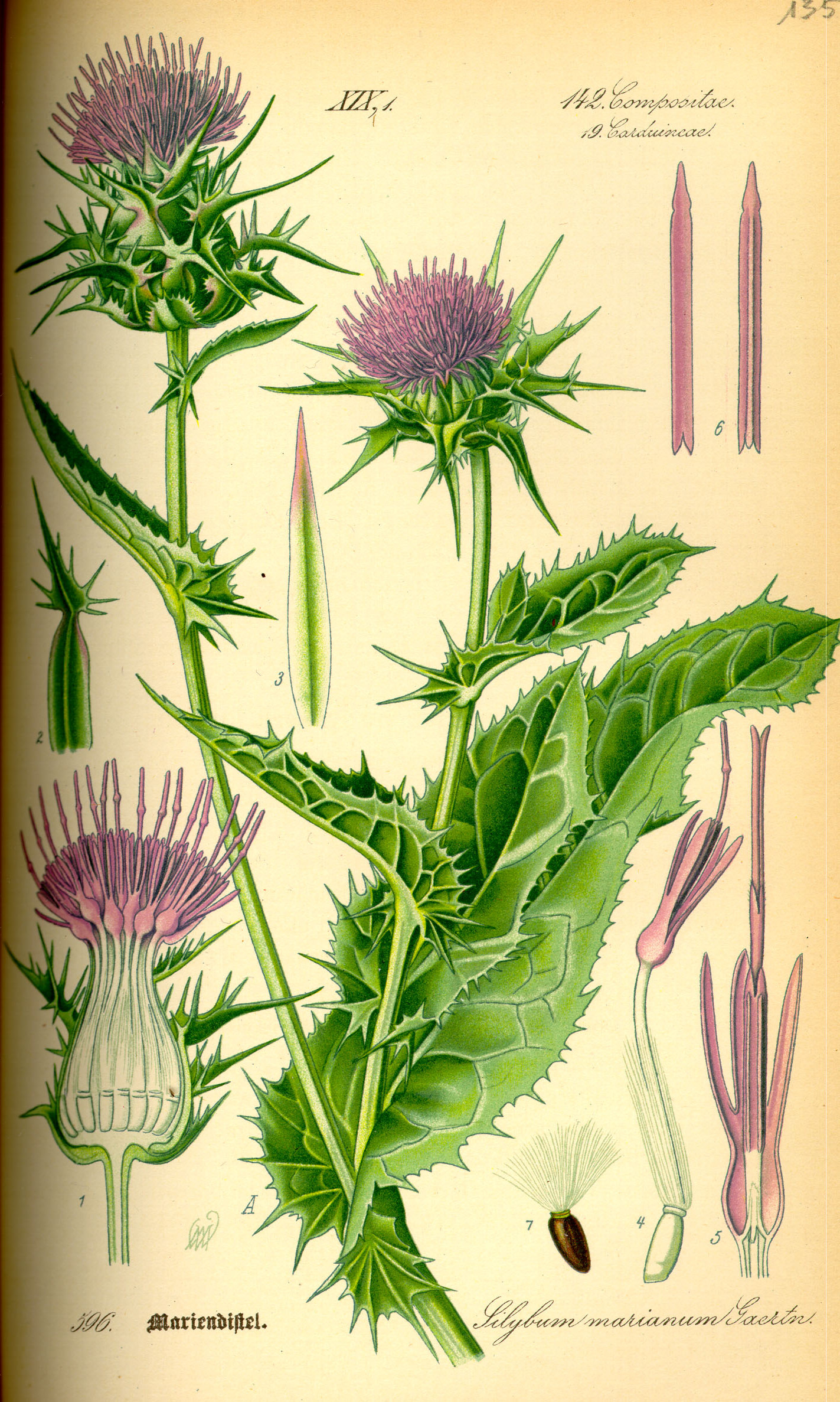
Milk thistle also contains wonderful anti-inflammatory properties; as such it is often used in inflamed skin conditions that correspond to liver stagnation. Furthermore, the seeds can improve the break-down and removal of fats from the system by stimulating bile production; this action also helps address constipation and keeps the body regular.
As a supportive ally for both the liver and the digestive system, milk thistle is truly a valuable addition to any home apothecary.
HOW TO USE:
Unlike most herbs, milk thistle seeds do not very extract well in water so don’t try to make a cup of tea out of them! Instead eat the fresh ground seeds, or get a good quality capsule. If using the seeds buy them whole and then grind them as needed (I use a coffee grinder to make them into a coarse powder). The seeds taste oily, sweet and bitter all at once — perhaps they are an acquired taste, but they are not unpleasant at all. Start with taking 1/2 to 1 tablespoon per day sprinkled on your food and see how it feels to you, adjusting the amount as you need.
If you like, you can also try mixing the ground seeds into honey, and take a spoonful of this mixture at a time.
Steph Zabel is an herbalist and educator based in Somerville, MA who helps urban dwellers connect with the plant world. She teaches herbal classes, is available for individual wellness consultations, and is also the founder of HERBSTALK, Boston’s community herbal conference. Learn more about her work at: www.flowerfolkherbs.com and www.herbstalk.org.
REFERENCES:
https://umm.edu/health/medical/altmed/herb/milk-thistle
http://whisperingearth.co.uk/2011/06/13/the-marvellous-milk-thistle/
https://www.botanical.com/botanical/mgmh/t/thistl11.html#mil
Wood, Matthew: The Book of Herbal Wisdom: Using Plants as Medicine
This blog post — Milk Thistle: Food for the Liver — is for general health information only. This blog post is not to be used as a substitute for medical advice, diagnosis or treatment of any health condition or problem. Users of this Web site should not rely on information provided on this Web site for their own health problems. Any questions regarding your own health should be addressed to your own physician or other healthcare provider.
Jenn's TOP FIVE Back to School Essentials
At the store, we are well-tuned to the cycles of the school calendar - several of our staff members also moonlight as part-time or full-time students. Jenn is completing her undergraduate program in Industrial Design at Mass Art, and put together this entertaining list of student "must-haves" for the fall season. Whether you are a student or just know one, this these items will help you make it through till holiday break in good health!
At the store, we are well-tuned to the cycles of the school calendar - several of our staff members also moonlight as part-time or full-time students. Jenn is completing her undergraduate program in Industrial Design at Mass Art, and put together this entertaining list of student "must-haves" for the fall season. Whether you are a student or just know one, this these items will help you make it through till holiday break in good health!

Jenn says...
Its that time of year again, back to school season. Some dread it and some celebrate it, but no matter what, come September it’s time to hit the books! I wanted to share with you my TOP FIVE Back to School Essentials to get you through the transition.

First day back at school I can almost feel the chill in my bones, as the weather gets cooler I have a tendency to pick up everyone's sickness, and I’m sure I’m not alone in this plight. During this cold and flu season I will definitely be turning to Host Defense MycoShield. This amazing blend of five powerful polypore mushroom species (Agarikon, Red Reishi, Chaga, Birch Polypore and Turkey Tail) work as a shield of immune support to help support you and your constant contact with germs. The MycoShield comes in a convenient travel size spray flavored in peppermint and cinnamon, perfect to carry in your bag and spray at the first "under the weather" moment. MycoShield is certified organic and grown and processed in the USA.

Back to school means back to school parties, and I want to PartySmart! PartySmart is a wonderful product from the Himalaya company. Taking a capsule of PartySmart before going out helps alleviate the unpleasant side effect of a night of drinking; nausea, headaches, fatigue, and stomach pain. No longer suffer through those rough 8am classes just because you had a little too much fun the night before!

Once my classes start up it seems like I’m always on the go. Most college students today have to balance classes, work, internships, homework, and then try to squeeze in some resemblance of a social life. Eating well sometimes falls to the bottom of the priority list, opting for more convenient options like fast food or convenience store snacks. But who says eating well can’t be easy? Beat the hungry horrors with the delicious little bite size snacks of Barnanas. These little chewy bites are packed full of potassium and fiber. My favorite are the organic peanut butter ones to add a little extra protein.

When pulling an all nighter, as we all have to do sometimes, our options for keeping our energy up can be a bit grim. Our options seem limited to energy drink products that are full of sugar and chemicals, or coffee, while wonderful and delicious, can take a tole on the stomach when drinking multiple cups. Open to Guayaki organic energy shots. These amazing little shots are packed full of some amazing energizing superfoods, rich in B-12. These little dudes are organic, fair trade, kosher, non gmo, and gluten free; making them perfect for that 'night owl' that lives inside every student. They come in four awesome flavors so you can find one that suits your tastes!

More and more articles are coming out linking coloring to mental sharpness and memory recall, and what college student couldn't use a little extra memory when studying?! The Mini Mandala Coloring Book is a great way to relax and unwind or give yourself a little study break without getting sucked into the magical never ending world of internet land. This tiny little coloring book is the perfect size to throw in your backpack with a few colored pencils or markers for those times when you feel like you need a little mental break.
Lemon Balm: The Gateway Herb / Melissa officinalis
By Steph Zabel
Herbalist, Ethnobotanist and Educator
Lemon Balm is a delightful and cheerful little plant. With uplifting, lemon-scented leaves and tiny sweet white flowers, it is a pleasant addition to any garden or kitchen apothecary. I have never found anyone who does not enjoy lemon balm tea, so I call it a “gateway herb.” Even the most wary newcomers to herbs fall in love with its scent and taste, and then become open to trying many more new and unusual herbs…!
Both bees and humans find this plant irresistibly attractive. In fact its Latin name Melissa refers to “bees” — these insects will flock to it whenever it is in bloom.
Lemon balm is originally from southern Europe but is now widely cultivated around the world. Like many mint family plants it is a very prolific grower. If you have limited garden space, you may want to place it in a container so that it does not take over the whole garden. (However, I don’t think that that would be such a terrible thing if it did happen...)
By Steph Zabel
Herbalist, Ethnobotanist and Educator
Lemon Balm is a delightful and cheerful little plant. With uplifting, lemon-scented leaves and tiny sweet white flowers, it is a pleasant addition to any garden or kitchen apothecary. I have never found anyone who does not enjoy lemon balm tea, so I call it a “gateway herb.” Even the most wary newcomers to herbs fall in love with its scent and taste, and then become open to trying many more new and unusual herbs…!
Both bees and humans find this plant irresistibly attractive. In fact its Latin name Melissa refers to “bees” — these insects will flock to it whenever it is in bloom.
Lemon balm is originally from southern Europe but is now widely cultivated around the world. Like many mint family plants it is a very prolific grower. If you have limited garden space, you may want to place it in a container so that it does not take over the whole garden. (However, I don’t think that that would be such a terrible thing if it did happen...)


For centuries this aromatic plant has been used to raise the spirits, comfort the heart, and banish depression and irritability. Its sweet, citrusy leaves yield a delicious tea that is equally good as a cold tea on a hot summer day, or as a warm tea on a cold winter day.
It was once believed that if taken regularly lemon balm would promote longevity — perhaps due in part to its calming effect on the central nervous system. Lemon balm is a wonderfully relaxing, and soothing herb, useful before bedtime to help fall into a peaceful sleep. It is also a fantastically supportive herb during times of stress and anxiety. Personally, I have found lemon balm to be a true “balm” whenever I have felt nervous or stressed about something. I once had a big event that involved public speaking and being filmed, which caused me to feel quite nervous. But, beforehand I took a few sips of my lemon balm cordial (recipe below) and within minutes my nerves quieted down, and the butterflies in my stomach disappeared. I was able to relax and just be myself. What a gift during anxious times!
Beyond its wonderful effect on the nerves, lemon balm contains anti-viral properties – this can prove useful for people who suffer from cold sore outbreaks, shingles, colds or flu. It’s definitely one I like to keep handy during the winter months not only for its ability to contain and weaken viruses, but also for its uplifting effect which is beneficial for mild depression and seasonal affective disorder.
Lemon balm is a very gentle herb that can be used by nearly anyone — children love it, stressed-out people love it, and anyone in the midst of wintertime loves it!
HOW TO USE:
To make tea of lemon balm use up to 1/2 Tblsp. of the dried herb per cup of hot water. Let that steep, covered, for 10-15 minutes.
If you have fresh lemon balm on hand an extremely delicious way to use it is to chop up a small handful of the aromatic leaves. Put these leaves in a small jar then cover them completely with local honey. Let this mixture steep for at least a week or two, and then use it as is (or strain out the herbs.) This is a delight in teas, on toast, or on top of desserts.
Finally, one of my favorite and most recommended ways to use lemon balm is below — gather your fresh lemon balm leaves now to make this cordial and you will be thanking your summer self all winter long!..


Lemon Balm Cordial
Harvest a large bunch of fresh and aromatic lemon balm stems. Look for stems that are healthy and vibrant looking. If they are in flower, that is OK, but if they have already finished flowering skip those stems. You are searching for lemon balm in its peak and at its most aromatic phase.
Strip the leaves from the stalks and chop them up as finely as possible. Place your fresh leaves in a glass jar of any size - I usually use a pint-sized or quart-sized jar. Fill the jar almost to the top with the lemon balm, leaving a little bit of room at the top.
Cover completely with brandy (any good tasting brandy will do). Stir to remove any air bubbles and make sure all the leaves are completely submerged. Then cap tightly and place a label on the jar with its contents and date.
Place the jar somewhere where you will see it so you can give it a shake every so often. Shaking helps the plant material from settling too much and makes sure that the brandy is touching (and extracting) as much surface area of the leaves as possible.
After 4-6 weeks strain out the lemon balm through a fine sieve (using cheesecloth is also a good idea). The resulting liquid should be aromatic and lemon-y. Measure this liquid. To this amount add 1/4 the amount of raw honey. (If you have 1 cup of lemon balm infused brandy, add 1/4 cup honey). Stir together well. Pour into a dark bottle. At this point I usually let the honey and brandy infuse together for another week or so, but if you have trouble waiting this long, go ahead and start using it!
Take this lemon balm cordial by the spoonful as a winter pick-me-up, or sip on it as an after dinner drink. It is divine!
Steph Zabel is an herbalist and educator based in Somerville, MA who helps urban dwellers connect with the plant world. She teaches herbal classes, is available for individual consultations, and is also the founder of HERBSTALK, a community herbal conference. Learn more about her work at: www.flowerfolkherbs.com and www.herbstalk.org.
References:
http://www.woodherbs.com/LemonBalm.html
https://umm.edu/health/medical/altmed/herb/lemon-balm
http://www.herbwisdom.com/herb-lemon-balm.html
http://www.botanical.com/botanical/mgmh/b/balm--02.html
This blog post — Lemon Balm: The Gateway Herb / Melissa officinalis — is for general health information only. This blog post is not to be used as a substitute for medical advice, diagnosis or treatment of any health condition or problem. Users of this Web site should not rely on information provided on this Web site for their own health problems. Any questions regarding your own health should be addressed to your own physician or other healthcare provider.
Sage: The Wise One / Salvia officinalis
By Steph Zabel
Herbalist, Ethnobotanist and Educator
Most of us know sage as a culinary herb — one that we grow in our gardens and use to flavor our dishes. For centuries sage has been valued as one of the best kitchen herbs and was traditionally cooked with rich, heavy foods. It is still a popular flavoring herb for meat dishes and stuffings. As an aromatic spice, it improves digestion, breaks down fats, relieves indigestion and nausea, and stimulates the gall bladder to produce more bile.
The plant originates in the Mediterranean — like many of our common culinary spices — and belongs to the Mint family of plants (a group that also holds many wonderful and aromatic plants such as basil, lavender, oregano, rosemary, thyme, peppermint, etc…)
Sage’s history goes far back in time: it was known to the ancient Greeks as an herb of immortality and to hold great healing properties. Its Latin name, Salvia, comes from the root “salvare” which translates as “to save” or “to cure.” There’s an old rhyme: “He that would live for aye should eat sage in May.” To our modern eyes sage is a humble garden herb, but for centuries healers have recognized this plant as one of the greatest herbal remedies. And for good reason…

Salvia officinalis has a deep affinity for the brain and nervous system and can be considered a tonic herb for both. It has a rejuvenating effect on the nerves, and can help to strengthen the mind and memory. Sage has been used by herbalists to address depression, anxiety and nervousness. It is especially good for the frazzled feeling we sometimes get when life is too busy or hectic — sage is one of my top herbs for what I call “city-dweller syndrome.” From my own personal experience with sage I have found it has a unique action that seems to feed and nourish the nervous system. When using sage during stressful times it helps me to feel less anxious and more grounded. It helps me feel more at peace with how things are, and to feel more connected with day-to-day reality, i.e. appreciating what is rather than what I want things to be. Many traditions have noted that sage has the ability to enhance one’s inner wisdom… and so the word “sage” is applied to a person who is wise. The flower essence is especially beautiful and illuminating for enhancing inner knowingness.
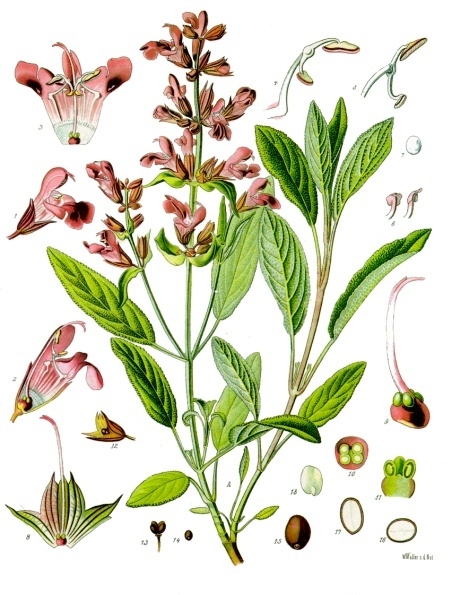
Sage is cleansing, clearing and purifying. White sage is often burned as an incense to clear the air and make a space feel new and refreshed. The essential oils contained within the leaf make sage highly antiseptic, giving it many applications. I like to use strong sage tea at the onset of a cold, or for any respiratory infections or sore throats. It also makes a fantastic mouthwash which supports healthy gums and leaves a clean, aromatic feeling.
HOW TO USE
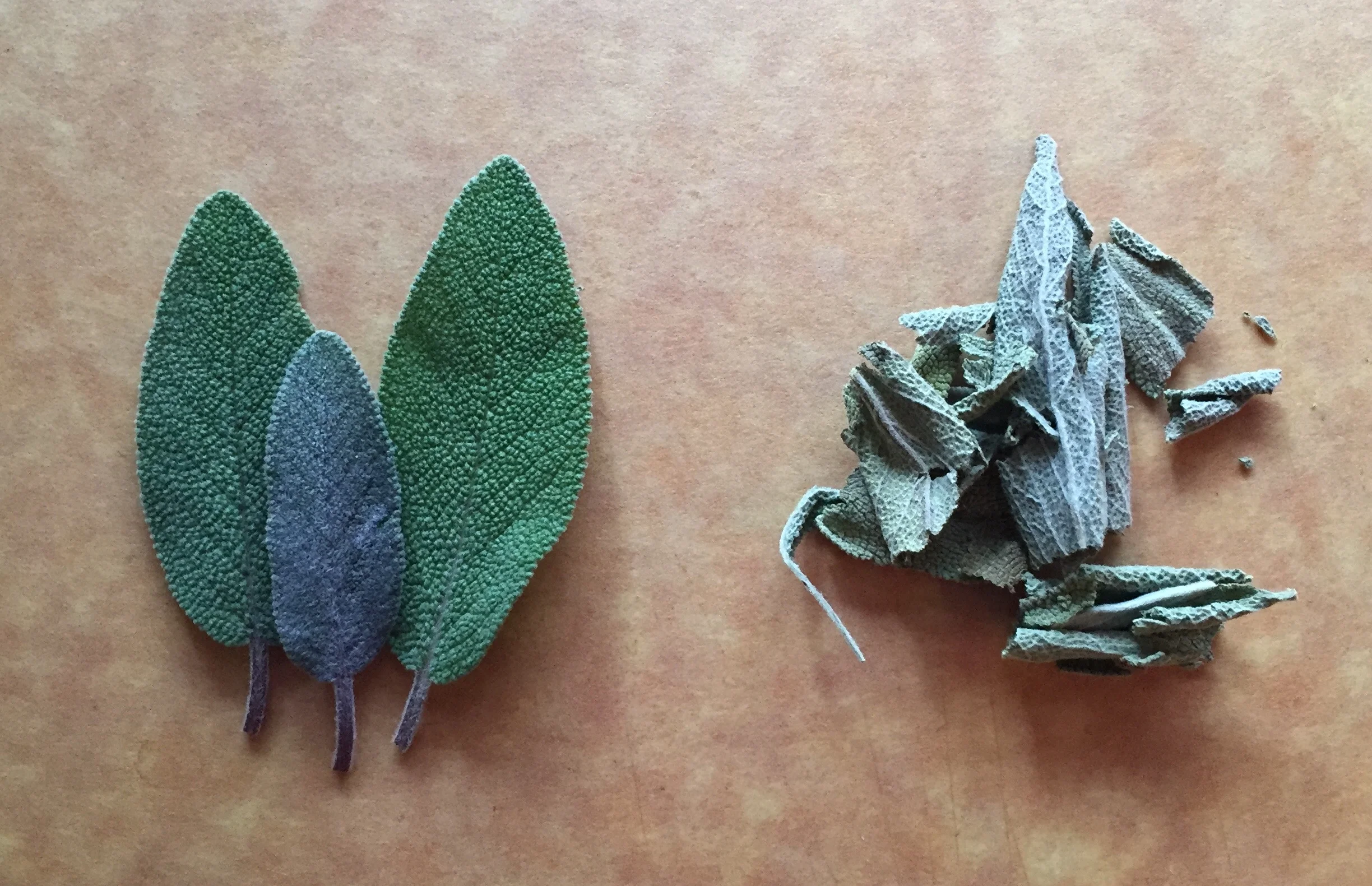
There are many ways to obtain the benefits of sage. Use the dried leaf as a spice in meat or stuffings (especially for Thanksgiving!) I like to drink sage tea with honey — just steep 1-2 teaspoons of the dried leaf in 8 oz. hot water for at least 10 minutes. Then add a spoonful of local honey and sip whenever you are feeling anxious or stressed, or if you are starting to feel a bit under the weather.
Sage Flower Essence can be used as well, and is one of my favorite essences. It helps one to distill wisdom from experience, and is especially recommended for people who find it hard to find purpose and meaning in their life.
RECIPE: Fresh Sage Infused Honey
Herbal honeys are a delicious way to enjoy the benefits of herbs, especially highly aromatic plants like sage. This honey can be enjoyed by the spoonful, added to hot cups of tea, spread onto toast, or made into sauces and salad dressings.
Fill a small 8 oz. glass jar with finely chopped fresh sage leaves. When using fresh herbs I generally fill the jar about 3/4 full.
Cover with local honey, stirring well to ensure that any trapped air bubbles come to the surface.
Label the jar with the date and ingredients.
Let steep for at least 1 week (if you can bear to wait!) up to 4 weeks before using.
If you wish you can strain out the sage leaves through a course strainer (you may have to gently heat up the honey to make it more runny). Or, you can just use the honey as is, sage leaves and all.
Use up within 4-5 months.
Notes:
Sage should be avoided during pregnancy since it can be stimulating to the uterus. It may also reduce the flow of milk during breast feeding and should be avoided by nursing mothers.
REFERENCES:
The Practice of Traditional Western Herbalism by Matthew Wood
The Floral Healer by Anne McIntyre
http://www.botanical.com/botanical/mgmh/s/sages-05.html
http://www.methowvalleyherbs.com/2010/12/why-should-man-die-while-sage-grows-in.html
Steph Zabel is an herbalist and educator based in Somerville, MA who helps urban dwellers connect with the plant world. She teaches herbal classes, is available for individual wellness sessions, and is also the founder of HERBSTALK, a community herbal conference. Learn more about her work at: www.flowerfolkherbs.com and www.herbstalk.org.
This blog post — Sage: The Wise One / Salvia officinalis — is for general health information only. This blog post is not to be used as a substitute for medical advice, diagnosis or treatment of any health condition or problem. Users of this Web site should not rely on information provided on this Web site for their own health problems. Any questions regarding your own health should be addressed to your own physician or other healthcare provider.
Our Graceful Linden Tree: Tilia americana
By Steph Zabel
Herbalist, Ethnobotanist and Educator
This time of year as you walk around our city streets, you’re very likely to come across a beautiful tree filled with creamy white, fragrant flowers. Its aroma is so gorgeous that it makes both bees and hurried city folk slow down their pace.
This tree, which tends to go unnoticed when it's not in flower, is our graceful linden (Tilia americana). We are fortunate to have many lindens in our neighborhood — there are even a few streets named after this beauty. Linden makes for an excellent city tree due to its ability to tolerate pollution and harsh urban environments. In addition, it is also an important food source for bees, a wonderful shade tree, and — with its heart-shaped leaves and delightful flowers — brings beauty wherever it grows.
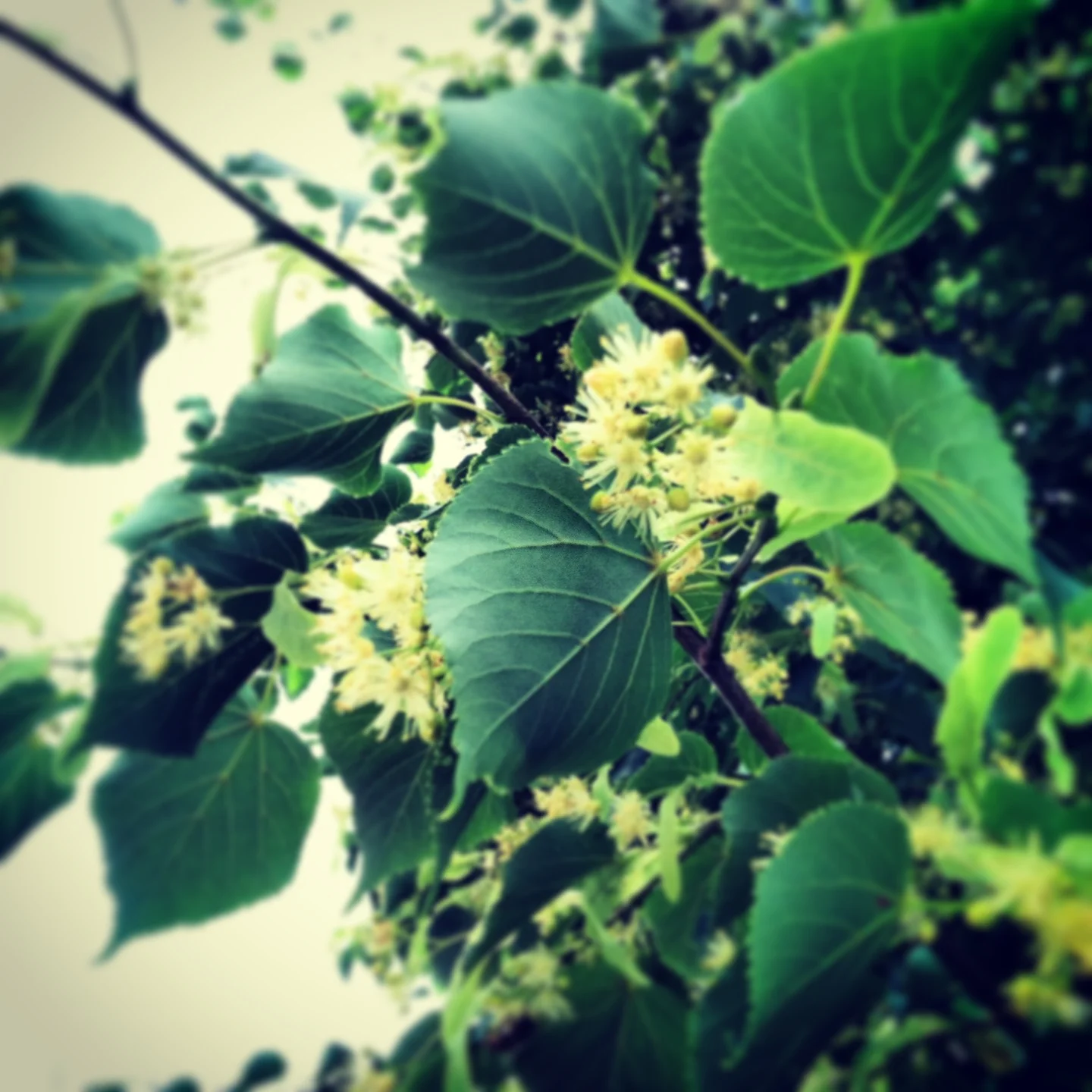
Not surprisingly, linden is one of my favorite herbs to give to people. It has many healing virtues and is also a very safe and gentle remedy for people of all ages and constitutions. In Europe, it was traditionally used in baths for young children before bed to help them have a sound night’s sleep. Stressed-out adults can also benefit immensely from a linden bath.
But if a bath is not for you, a cup of linden tea will do the trick. Well-loved for its soothing properties, it is one of the herbalist’s favorite relaxing nervines, meaning that it helps to soothe and calm the nervous system. It truly is useful for any kind of anxiety or tension, whether it manifests as headaches, nervous tension, restlessness, tense muscles, or poor sleep. I mix it into bed-time blends to help people unwind after a long day and prepare for a deep night’s sleep. Even though linden is so gentle, I have personally found it to be a profound herb for anyone needing better sleep. It mixes beautifully with other relaxing herbs such as oats, skullcap or lavender. Linden seems to have an ability to help you feel how tired you truly are, so that you can finally get the sleep you need.

Beyond its wonderful soothing qualities, linden is a plant that supports a healthy heart. As noted above, linden helps to relax us when we are feeling tense, so it has traditionally been used for the emotional causes behind hypertension and heart palpitations. With its supportive, opening and calming properties linden can help to address emotional issues and stress that may manifest as physical imbalances.
Linden is also a demulcent herb: high in mucilage it imparts a cooling and soothing quality on dry and irritated tissues. This soothing, anti-inflammatory action works on both our internal tissues and our external skin - you use it as a wash or a compress on itchy or inflamed skin.
This beautiful, gentle tree has so much to offer us: from anxiety and stress, to tense hearts and minds, to troubled sleep - it is is a beautiful balm that grows right on our city streets.


HOW TO USE:
Linden Sun Tea
Linden makes for a delicious cold-brewed tea. This method is perfect in the summer time when it is too hot to boil water.
To Brew:
Place 1 heaping handful of dried linden leaves and flowers in a glass quart-sized jar. Cover with cold water and stir. Place on the cap then set in a sunny windowsill for 3-4 hours. Strain out the herb. Chill in the refrigerator if desired or drink at room temperature. The longer it steeps the more the mucilaginous quality (which makes the liquid viscous) will be drawn out.
Soothing Linden Sleep Blend:
2 Tblsp. linden
2 Tblsp. oat tops or oat straw
1 Tblsp. skullcap
1/2 Tblsp. chamomile
pinch of lavender
Blend all herbs together, then use 1 heaping spoonful per mug of hot water. Let steep at least 10 minutes, then strain. Best enjoyed at dusk.
Steph Zabel is an herbalist and educator based in Somerville, MA who helps urban dwellers connect with the plant world. She teaches herbal classes, is available for individual wellness sessions, and is also the founder of HERBSTALK, a community herbal conference. Learn more about her work at: www.flowerfolkherbs.com and www.herbstalk.org.
REFERENCES:
http://umm.edu/health/medical/altmed/herb/linden
http://www.herbalremediesadvice.org/linden-flower-tea-benefits.html
http://www.healthy.net/Materia_Medica/Linden_Herbal_Materia_Medica/240
This blog post — Our Graceful Linden Tree — is for general health information only. This blog post is not to be used as a substitute for medical advice, diagnosis or treatment of any health condition or problem. Users of this Web site should not rely on information provided on this Web site for their own health problems. Any questions regarding your own health should be addressed to your own physician or other healthcare provider.
Savory Summer: Herbal Spice Rub
We have some incredibly skilled people on our staff!! Maribeth, our resident "herbalist in training" and Alex, a talented illustrator, put together this delicious herbal spice rub for all your summertime cooking needs. It's a well-balanced, delightfully aromatic blend that would be perfect on anything from grilled veggies to grass-fed steak. Or - mix a couple of tablespoons into a simmering pot of rice or couscous for a flavorful grain dish.
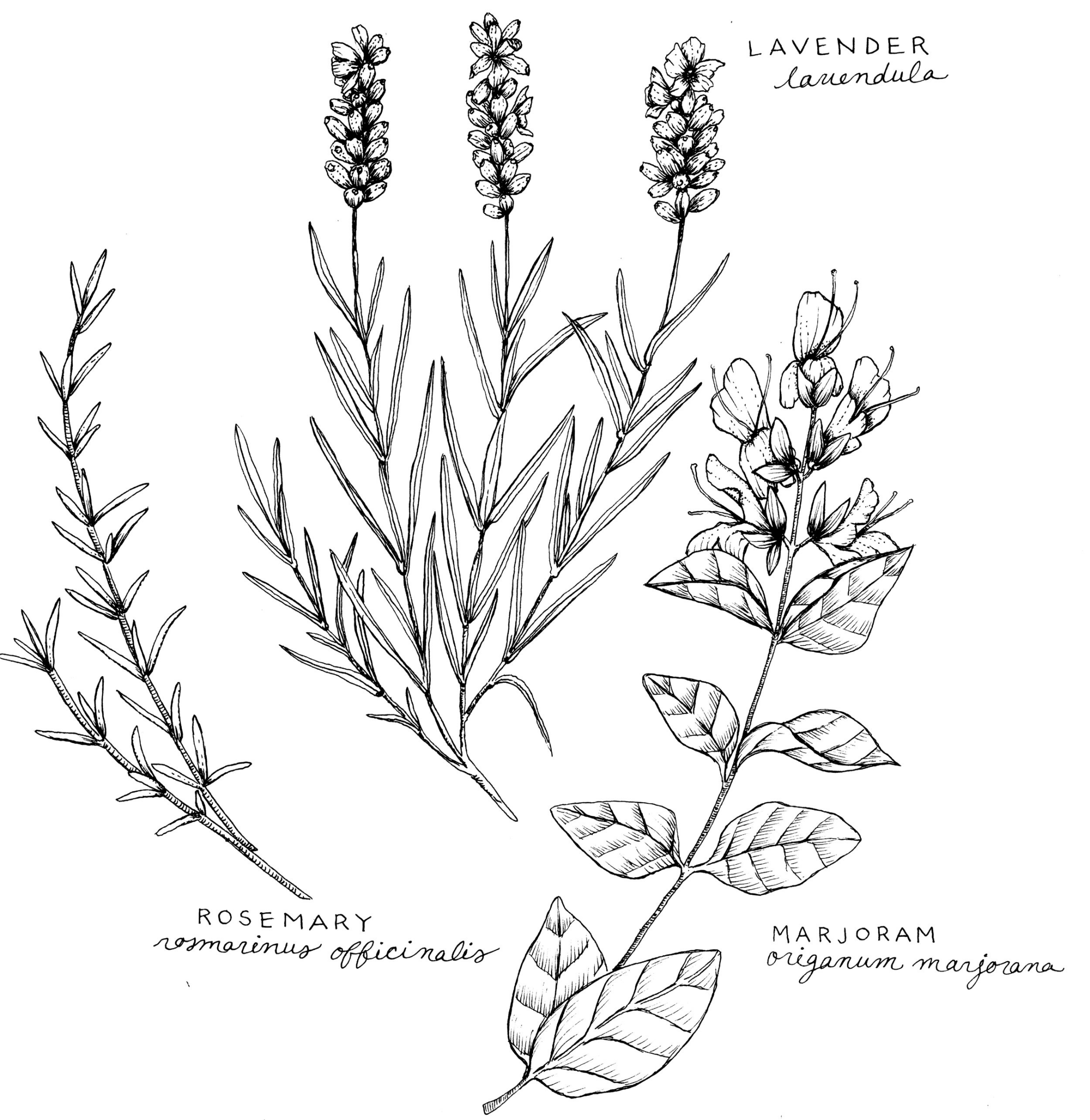
Illustration by Alex Salvi ©2015
Lavender: Lavender is carminative and antiseptic plant native to the Mediterranean. Historically lavender has been used to add a sweet, pleasant flavor to foods and to help relieve bloating and gas. Not to mention, the aroma is sure to calm the senses, offering a relaxed mood to enjoy and digest meals properly.
Thyme: Thyme is an antiseptic plant also native to the Mediterranean. Traditionally used to help kill any bad bacteria in meat prior to cooking, Thyme was often used as a natural preservative and to bring out the flavor of meat. Thymol, the oil in Thyme, is used to help break down fattier foods, aiding in the digestion of heavier meals and meats.
Rosemary: As an antibacterial herb, Rosemary was historically used in the kitchen as a preservative and for its medicinal value. Rosemary has traditionally been used to relax stomach cramps, flatulence, and assist in stimulating the appetite and secretion of gastric juices - which is particularly helpful when consuming meats and rich dishes.
Marjoram: Another plant of the Mediterranean, marjoram offers a soothing action to the digestive tract by stimulating the gastric juices that break down heavy foods, like meat and rich dishes. The herb has also been used traditionally to help stimulate the appetite and soothe the stomach. It is said that the flavor of marjoram is easy to love, inspiring one to use generous pinches of the herb in many dishes.
Spice Blend:
(everything on this list can be found in our bulk section)
Lavender buds: 1 tsp.
Thyme: 2 tsp.
Marjoram: 2 tsp.
Rosemary: 1 tsp.
Himalayan Pink Salt : 1/2 tsp.
Paprika: 1/4 tsp.
Black Pepper: 1/4 tsp.
Roughly crush ingredients in mortar & pestle or if you prefer a finer grind, use a spice grinder. Rub onto meat before grilling or baking. This spice blend could also be used to season vegetables, tofu, or tempeh.
References:
(books we sell)
The Complete Book of Herbs & Spices by Brenda Little
Jekka's Herb Cookbook by Jekka McVicar