The Naturalist Blog
*
The Naturalist Blog *
Cardamom: Grains of Paradise
By Steph Zabel
Herbalist, Ethnobotanist and Educator
Now that cooler days are upon us, it is time to bring out the spices! Cardamom is one of my all-time favorites and makes a grand entrance in my kitchen as soon as fall arrives. I am not alone in my love of this little green pod -- for ages cardamom (Elettaria cardamomum) has been one of humankind’s most well-loved spices, used in cuisines and materia medicas around the world.
By Steph Zabel
Herbalist, Ethnobotanist and Educator
Now that cooler days are upon us, it is time to bring out the spices! Cardamom is one of my all-time favorites and makes a grand entrance in my kitchen as soon as fall arrives. I am not alone in my love of this little green pod -- for ages cardamom (Elettaria cardamomum) has been one of humankind’s most well-loved spices, used in cuisines and materia medicas around the world.

A close cousin to ginger and turmeric (all in the Zingiberaceae family), cardamom is originally from the forests of southern India where it grows wild. It is now cultivated in tropical areas throughout the world. Beloved in many cultures, and often called “Grains of Paradise,” cardamom is one of the world’s most expensive spices, third after saffron and vanilla.
The use of cardamom has been documented as far back as the 4th century BC. Because of its sweet and pungent flavor, cardamom was the favored tooth cleanser and breath freshener of the Egyptians, who used it for dental hygiene. The Greeks and Romans had their own use for this spice and included it in their perfume formulations. (To this day cardamom is still a popular ingredient in many fine perfumes.) Even the Vikings cherished this small pod for its scent and flavor and ended up introducing it into Scandinavia, where it remains as a key ingredient in many pastries and cookies. In the Middle East and India, cardamom is an essential spice in many traditional dishes, used in curries, sweets, coffee and tea.
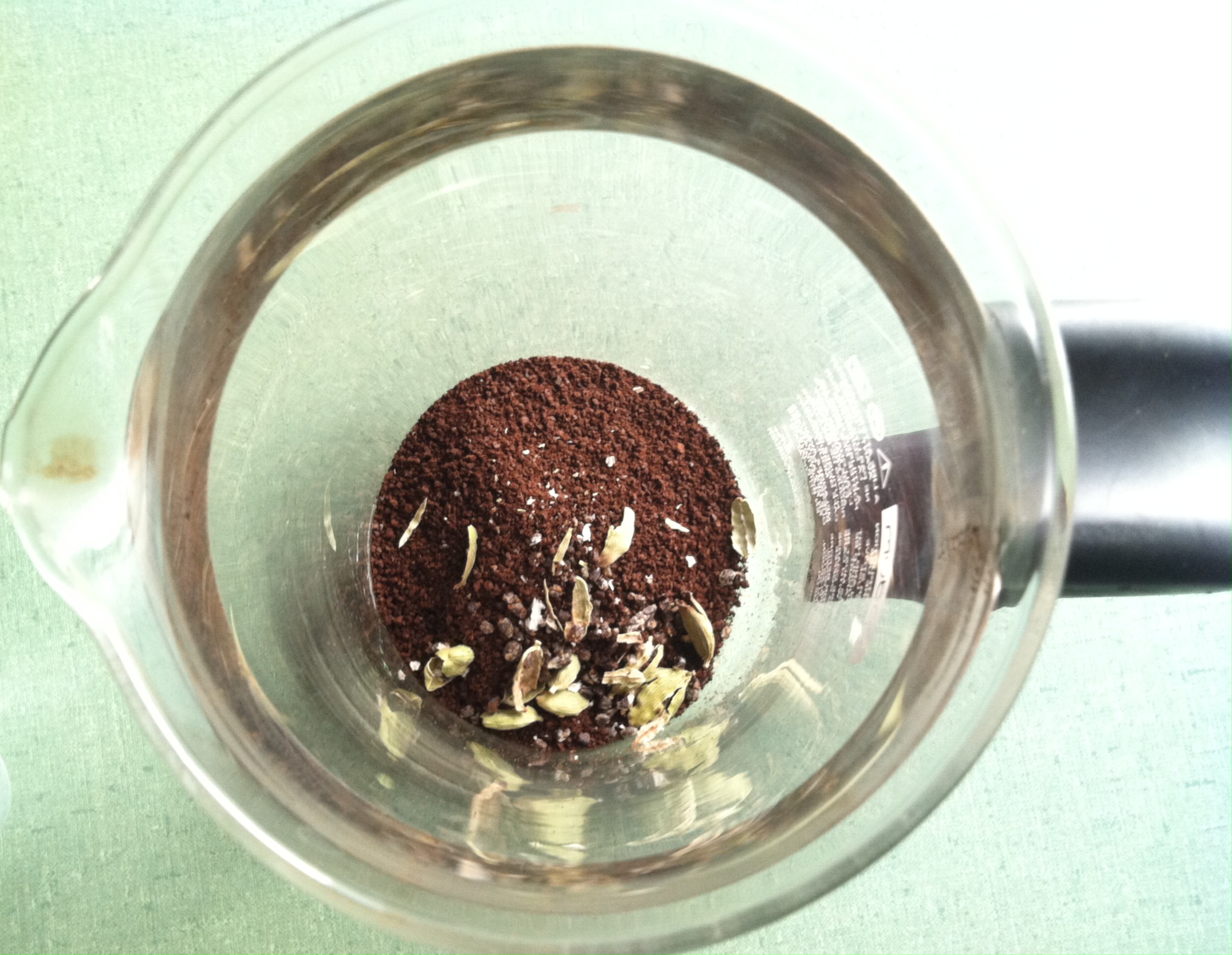
Cardamom and coffee grounds
Historically, cardamom has been used as an aphrodisiac. Indeed, modern research has found it beneficial in the treatment of sexual dysfunctions such as impotence. The seed pod is also a mood elevator and has been found to be valuable in overcoming depression. I find that simply smelling a crushed cardamom pod can be uplifting. This is a good herb (or essential oil) to keep on hand during dark New England winters.
Cardamom is perhaps most famous as a stomachic and carminative herb, helping to calm digestive upsets and to promote and balance gastric juices. Ayurvedic doctors regarded it as a treatment for obesity, perhaps relying on its stimulating properties that move sluggish digestion. Modern practitioners use it for similar purposes to tone and support the digestive system. With the holidays coming up, including cardamom in dishes or beverages can certainly make big meals more festive and better digested.
How to use:
There are many delicious ways to use cardamom. Beyond its traditional usage in both savory and sweet dishes, cardamom is an essential addition to any chai tea blend. One of my favorite ways to make chai is with the following recipe that I have developed over several cold winters:
6 cardamom pods
6 cloves
1 tsp. black peppercorn
1-2 tsp. dried ginger root (depending on how spicy you like it)
1 tsp. dried orange peel
1/2 Tblsp. cinnamon bark (sweet or cassia)
1 Tblsp. burdock root
1 Tblsp. roasted dandelion root (roasted will yield a deeper, darker flavor)
1 Tblsp. roasted chicory root
1 Tblsp. astragalus root
First, grind together the cardamom, cloves and peppercorn in a mortar and pestle. This will help their flavor be dispersed throughout the whole tea. Combine these crushed pieces with the remaining ingredients and mix thoroughly. This will make about 5-6 servings of tea.
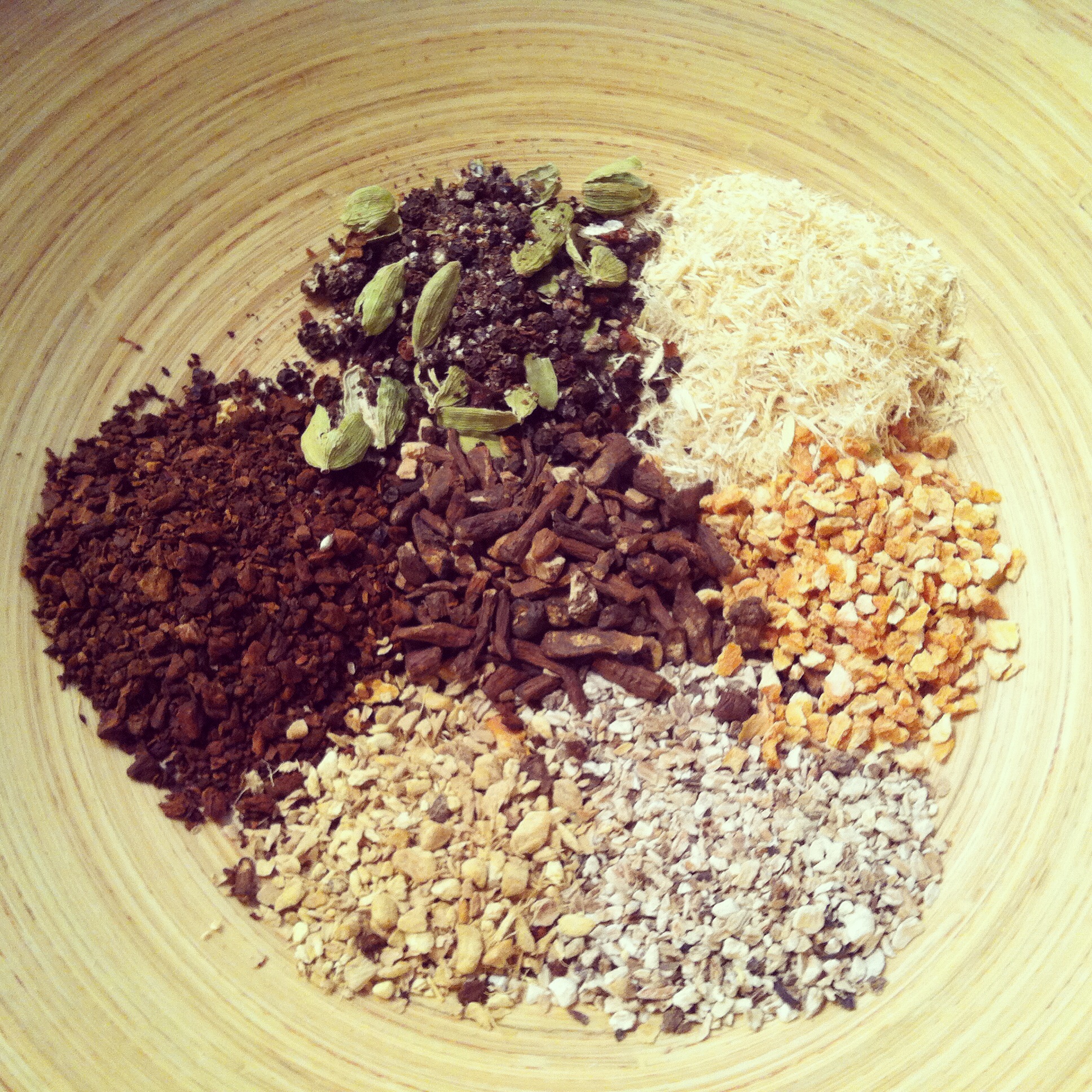
Chai recipe
To brew the tea, add up to 1 Tblsp. of the chai blend per two cups of water in a small saucepan. Bring everything to a boil, then lower the heat and let it simmer covered at for least 20 minutes. Just be sure to keep an eye on the water level and don't let it evaporate too much. When it is as dark and spicy tasting as you would like, strain out the roots and add milk and honey to taste.
If this recipe seems too complicated, just try adding a few crushed cardamom pods to your black tea or coffee for a special treat.
You can also infuse cardamom in honey for something truly special. Add this honey into your coffee for an aromatic start to your day, or drizzle over desserts. Making an infused honey is simple:
Fill a small jar ¼ to ½ full of crushed cardamom seeds. Cover with honey, cap tightly and let sit for 2 to 6 weeks. I like to turn my honey jar upside down every few days so that the herb material can slowly move back and forth through the honey rather than congregate all at the top. To remove the cardamom (which is optional) you can gently heat the jar in a small water bath on the stove. Be careful not to heat the honey too much, just until it is runny enough to pour through a sieve.
Steph Zabel is an herbalist and educator based in Somerville, MA who helps urban dwellers connect with the plant world. She teaches herbal classes, is available for individual consultations, and is also the founder of HERBSTALK, a community herbal conference. Learn more about her work at: www.flowerfolkherbs.com and www.herbstalk.org.
References:
Lad V. and Frawley D. (1986). The Yoga of Herbs. Lotus Press.
Chevallier, A. (2000). Encyclopedia of Herbal Medicine. Dorling Kindersley.
Wood, M. (2008). The Earthwise Herbal: A complete guide to old world medicinal plants. North Atlantic Books.
This Web site — Herbs and Botanicals — is for general health information only. This Web site is not to be used as a substitute for medical advice, diagnosis or treatment of any health condition or problem. Users of this Web site should not rely on information provided on this Web site for their own health problems. Any questions regarding your own health should be addressed to your own physician or other healthcare provider.
Not Just Skin Deep: Grace's Daily Routine
It can seem daunting and time-consuming to establish a well-rounded body care regimen. But caring for your skin is a very personal thing, and, as you'll read below, it certainly doesn't have to be a burden! Grace describes her effortless routine that covers all the bases and leaves her feeling (literally and figuratively) confident in her skin.
Grace says, "I'm an incredibly low-maintenance kinda gal when it comes to body care. To keep my skin happy and clean, my simple daily routine focuses on 3 steps: wash, moisturize, protect. The products I use include a face and body soap, face and body lotion, deodorant and chapstick. That's it! I probably have the most clutter-free shower and bathroom cabinet you can imagine."
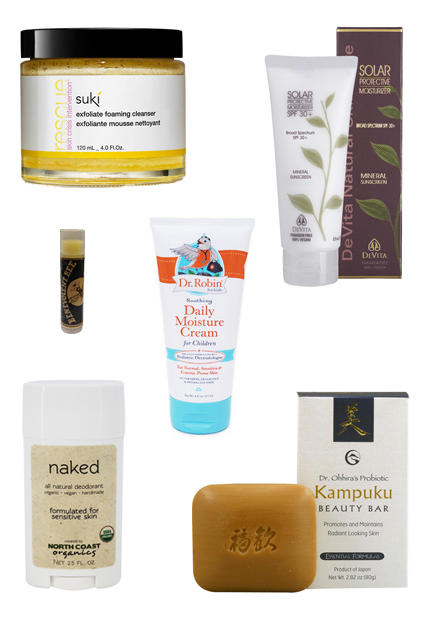
Suki Exfoliate Foaming Cleanser
What I love most about this cleanser is that it can be used as both an exfoliate AND a gentle cleanser. Use 'as is' for exfoliating (which I do no more than twice a week), or rub the sugar crystals between your hands until they dissolve/melt, and it becomes a foaming cleanser. Suki's signature lemongrass scent is inspiring, and my skin always feels smooth and amazingly rejuvenated after washing with this product. Highlights: The Suki skincare line was created for ultra sensitive skin with a focus on passion, purity, potency, and real results.
Dr. Ohhira's Kampuku Beauty Bar (probiotic soap)
The skin is the largest organ in the human body, so I think it's one of the most important organs to take care of and protect. This high quality beauty bar is made with natural plant extracts and essential herbs. Most bar soaps leave my skin feeling dry, but this beauty bar actually moisturizes my skin and makes it feel soothed, hydrated and healed. Highlights: The pH-balancing blend of pre- and probiotics maintain and strengthen the skin by deterring the growth of harmful bacteria, stimulating its innate immune system and limiting the production of free radicals, leaving skin clean, hydrated and supple.
DeVita Solar Protective Moisturizer SPF 30+
I ride my bike to and from work most days, so it's important for me to protect my face with sunscreen. Most sunscreens with zinc oxide tend to leave a white residue on the skin, but this product is feather-light and rubs in completely with little effort. I've also had trouble with sunscreens burning my eyes (even natural ones), but this one is magical- no itching or burning. Highlights: Absorbs quickly, deeply moisturizing, formulated specifically for sensitive skin.
North Coast Organics Naked Deodorant
For years the ONLY deodorants that worked to keep my body odor at bay contained aluminum (boo!). Recently I decided to try this all-natural deodorant because a few of my co-workers and a bunch of our regular customers SWEAR by it. They were right! It totally works and stands true to the company's motto: "an elite assassin of odor that you can trust". Highlights: VEGAN!, sweet packaging, simple and clean ingredients (coconut oil, carnauba wax, corn starch, baking soda).
Dr. Robin Daily Moisture Cream
I love to slather this lotion on my legs after I shave. Some lotions burn and irritate my skin after shaving, but this one is super hydrating and soothing! This gentle, fragrance-free moisture cream is ideal for sensitive or eczema-prone skin. Dr. Robin (who developed the formula) is a Pediatric Dermatologist, so she markets the formula specifically for kids, but it totally works for grown-ups, too (wink!). Highlights: It's free of parabens, phthalates, nanotechnology, unnecessary preservatives, extracts and additives.
Benevolent Bee Ultra Moisturizing Honeyed Lip Balm
I'm one of those people who can't go anywhere without bringing lip balm with me. This is my most favorite kind! The mild honey flavor is lovely, and it keeps my lips soft for hours on end, so I hardly ever have to reapply. I'm also a big sucker for local products, and this company is located just across the river in Jamaica Plain. As Mother Nature shifts into cooler and drier temps, try this awesome product for excellent lip protection! Highlights: Locally made, ultra moisturizing, simple ingredients!
Book Review: The Blood Code: Unlock the Secrets of Your Metabolism
Have you realized that you can “create a ‘GPS coordinate’ that maps how your body is currently interacting with your diet and fitness habits”?
How to Measure your Health through Standard Blood Tests
The Blood Code: Unlock the Secrets of Your Metabolism
by Richard Maurer
Reviewed by Rosalind Michahelles
The analogy is apt and the author explains what each blood test – the ones we routinely get at our annual check-up – can reveal. His language is clear and comprehensible. Are you worried about blood sugar? Or blood lipids? Or thyroid function? All are covered and interconnections described.
What I find most helpful is the de-coding both of the blood lipid panel and of the dynamic glucose-insulin relationship.
How to Measure your Health through Standard Blood Tests
The Blood Code: Unlock the Secrets of Your Metabolism
by Richard Maurer
Reviewed by Rosalind Michahelles

Have you realized that you can “create a ‘GPS coordinate’ that maps how your body is currently interacting with your diet and fitness habits”?
The analogy is apt and the author explains what each blood test – the ones we routinely get at our annual check-up – can reveal. His language is clear and comprehensible. Are you worried about blood sugar? Or blood lipids? Or thyroid function? All are covered and interconnections described.
What I find most helpful is the de-coding both of the blood lipid panel and of the dynamic glucose-insulin relationship.
First the blood lipids: total cholesterol, triglycerides (TG), HDL, and LDL. In terms of your heart, you want TG to be low (<100 mg/dL) because a high reading of triglycerides correlates more strongly with heart disease than does high total cholesterol or high LDL or low HDL. When you have your test results in hand, calculate this simple ratio: TG/HDL, i.e., divide your HDL into your TG. A ratio of 1:1 or lower is good news! But a score over 3 puts you at high risk for stroke or heart attack. How to lower TG and raise HDL? Cut out sugar and starch. Or, put another way, eat the butter, skip the jam, and go easy on the toast. This advice will also help normalize blood sugar.
Why is the low-carb diet becoming the new buzz? Because both type 2 diabetes and its frequent precursor insulin resistance have risen dramatically during the low-fat diet decades. Since carbohydrates provoke the production of insulin, a low carb diet will in effect mean a low insulin diet.
And, according to Dr. Maurer and others in the field, it’s insulin – when there’s too much of it – that is implicated not just in diabetes but also in obesity, dementia, fatty liver, hypertension, muscle weakness, constant hunger, and in some cancers. Why? Because insulin is the partner of glucose and protein, the partner necessary to ‘introduce’ them into muscle and fat tissue – except when the cells become insulin resistant making the process bog down.
Dr. Maurer explains insulin resistance as a functional and effective response, one that some people are more genetically prone to than others, and one that can be modified by diet and exercise. Historically it was efficient because we evolved to handle long fasts and prolonged exertion. That we now have no famine and little exercise has spoiled the outcome for too many of us. As Dr. Maurer points out, “insulin resistance is your perfect expression of an efficient calorie economy; inappropriate lifestyle habits are the ‘disease,’ not you.” Bottom line? Some people must restrict carbohydrates and must exercise to be healthy.
What are the important tests for insulin resistance? First, fasting glucose to see how much sugar is still circulating in your blood, usually tested before breakfast. Second, fasting serum insulin to see if insulin has been ‘refused’ by the muscle and fat cells because of insulin resistance. And third, hemoglobin A1C is the test for recent high blood sugar, that is, the average over the last couple of months. Dr. Maurer talks of recent evidence that non-diabetics with levels in the high end of the normal range are at greater risk of stroke and cardiovascular disease than those with lower scores. So this is a correlation to pay attention to in case the relationship is causal, not casual.
A further test the author recommends is to measure skin fold in four places using calipers (which he will sell you from his website). If you can’t tell whether you have the “apple” shape that is said to correlate with risk of heart disease, you can take measurements. But most of us do know if our weight accumulates around the waistline.
Once you have your test results and your ratio calculations, you can read the recommendations for your pattern. These are well spelled out. A few supplements are suggested, particularly vitamin D, fish oil, magnesium, and selenium if your diet is lacking. The book ends with a helpful meal planner and a promise of future research into diet for athletes.
Is this book for you? Well, yes, if you are looking for signs and signals relative to health; then understanding the blood tests and their use as a “GPS coordinate” in figuring out what to eat and how much and when to exercise is for you. Were I the author, I would have organized the book somewhat differently, giving cholesterol, blood sugar/insulin, and thyroid each its own chapter instead of introducing the tests and then later on how to interpret them. That said, THE BLOOD CODE is a useful reference work, the more especially as it behooves us to partner with our doctors rather than expect them to do all the thinking.
Rosalind Michahelles is a Certified Holistic Health Counselor in Cambridge.
For questions about this essay or related issues please call 617-491-3239r visit www.nutrition-matters.info
Announcing Coexist Cold Brew: Drink Good, Do Good
At Cambridge Naturals, we dedicate hours - no, days - and an incredible amount of care to reviewing each and every product that comes into the store. We consider everything from the safety and efficacy of ingredients to the integrity of the company we're sourcing from. For months we've been seeking the perfect cold-brewed coffee to bring into our small grocery section to meet the growing desire of customers (and frankly, our staff!) for that delicious, non-acidic, caffeinated drink. So when we met Coexist Coffee at the Natural Product Expo East trade show, we were blown away by the combination of the superior quality of their coffee and their social impact mission.
On their website, the company explains, "Coexist Coffee is a uniting force, bringing farmers and families of different faiths together to work towards common goals and be in charge of their own development and futures. The farmers of the Cooperative spent decades in civil war, where whole tribes were almost wiped out, before realizing that to survive and develop economically they must put aside their differences and work together. Hence they formed Peace Kawomera, which means “Delicious Peace” in the local Luganda language. What’s more, we send back our profits to help fund the schools for the Cooperative’s children, so that the farmer’s children have a greater opportunity to learn and grow."
This delicious and truly world-changing cold-brewed coffee hits our shelves today, and we couldn't be more excited about it. Look for it in the refrigerated case!

Schisandra: The (Flavorful!) Berry That Does It All

By Steph Zabel
Herbalist, Ethnobotanist and Educator
Schisandra (Schisandra chinensis) is a somewhat obscure herbal medicine that many people have never heard of before. Although it is indeed a relative newcomer to the Western herbalist’s pharmacopeia, it has been known, used, and loved by traditional Chinese herbal practitioners for thousands of years. A native of Asia, schisandra is a woody vine that produces bright red fruits at the end of summer; these fruits are then harvested and utilized for their extensive medicinal properties.
But before we get into the historical uses of the unique schisandra berry, let’s talk about its taste…
As I write this I am chewing on several dried berries and it’s as if a thousand sour fireworks went off in my mouth. Whew! To say that this plant is extremely flavorful is an understatement! I can taste the acutely sour and bitter notes as well as a peppery pungent taste.
The Chinese call it wu wei zi or “fruit of five flavors”, noting that schisandra incorporates all of the five tastes (sour, salty, bitter, sweet and pungent). Because of this distinctive quality it was thought to be an especially important tonic medicine.
In classes I always remind my herbal students that a good way to become better acquainted with a new herb is to tune into its taste. Although we may not realize this simple fact, our taste buds can actually give us a lot of important information about a plant, i.e., how potent it is and how it could make us feel.
Schisandra is a great example of how our tongue can give us clues about a plant’s action in the body. For instance, when I taste a few dried schisandra berries I immediately feel more awake and invigorated. The intense and sour taste is incredibly stimulating to my tongue (and, for lack of a better word, is very zing-y).
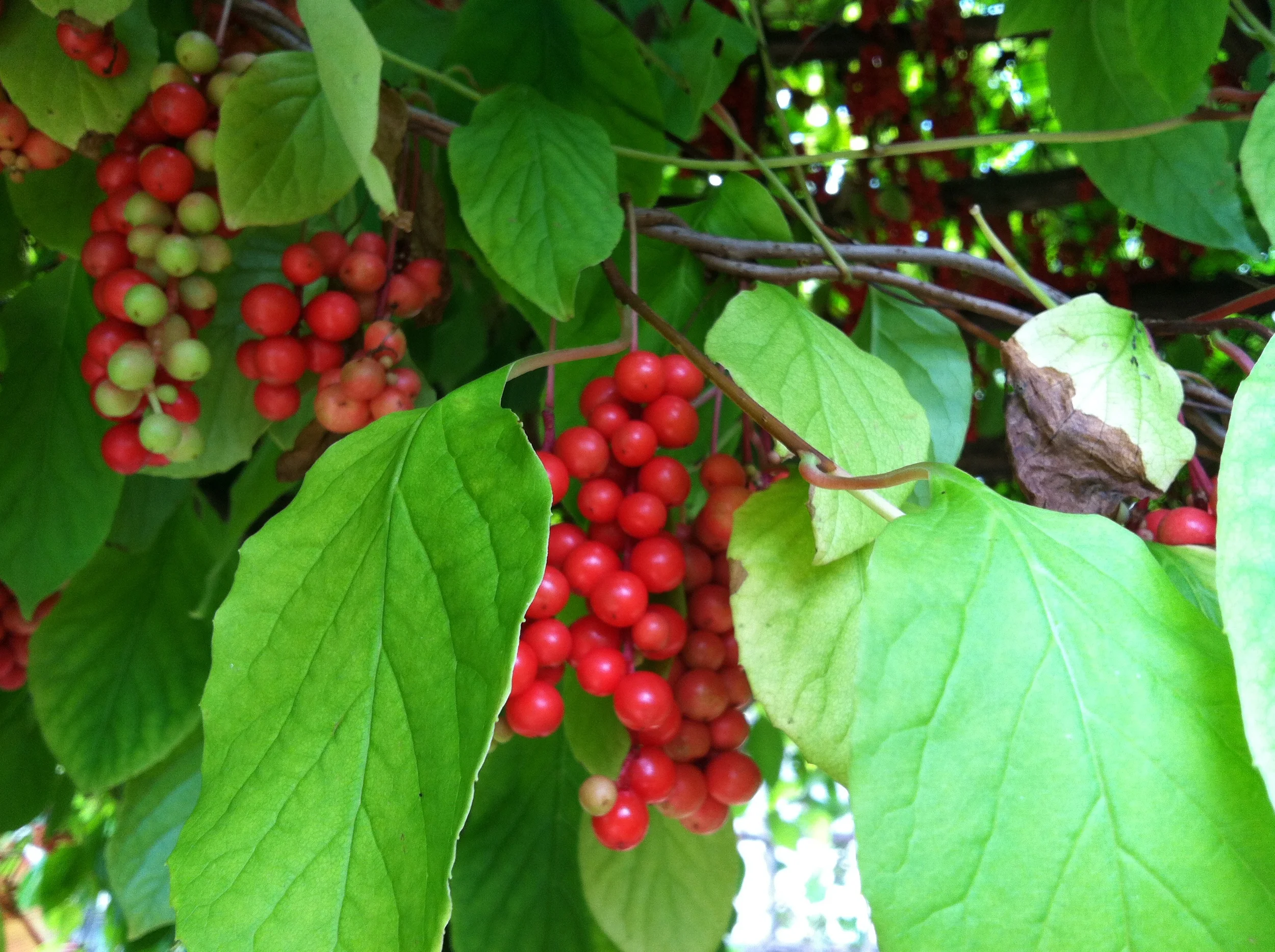
It also clears away all other tastes and leaves my palate feeling cleansed. You can imagine that if this tart, little berry has such an invigorating and clearing effect on the tissues of the tongue, that it might have a very similar action on the rest of the body’s tissues and organs…
Which indeed it does, according to traditional Chinese medicine where schisandra has been an important tonic herb for centuries – used to prolong life, slow the aging process, and increase stamina and energy levels. It was also believed that when used consistently over time, schisandra berry would cause one’s physical appearance to remain youthful.
Scientific studies have validated the age-old regard for this plant, confirming that schisandra can help to reduce fatigue and also support mental concentration. Try chewing on a few dried berries or drinking the tea when you need to study for long periods of time or do focused work. The taste stimulates the mind and helps to keep your concentration steady and focused.
Schisandra is also known as an adaptogenic herb, meaning that it helps to reduce mental and physical stress, increase energy, and enhance physical performance when taken over time. Not surprisingly, these qualities make it a great herb for athletes as it helps to increase endurance.
However, even if you aren’t an athlete but want to improve your overall energy levels, schisandra can be beneficial. Even better, like many deeply colored berries, schisandra contains many protective antioxidants that help to maintain healthy cells throughout the body and reduce inflammation.
Finally, another wonderful virtue of this plant is that it supports the liver. Schisandra is a hepatoprotective (liver-protective) herb. It also exerts a gentle detoxifying action – remember how it makes your palate feel refreshed and cleansed? It has this same purifying effect for the liver, too.
How to use:
To make schisandra berry tea at home, simmer 1 to 2 tbsp. of the dried berries in 2 cups of water in a small, covered saucepan for 15 to 20 minutes. This will yield a much more medicinal and flavorful cup of tea than simply pouring boiled water over the herb.
Try using schisandra tea as an unconventional, but very effective, coffee alternative for an early morning jumpstart, or a caffeine-free energy boost in the afternoon.
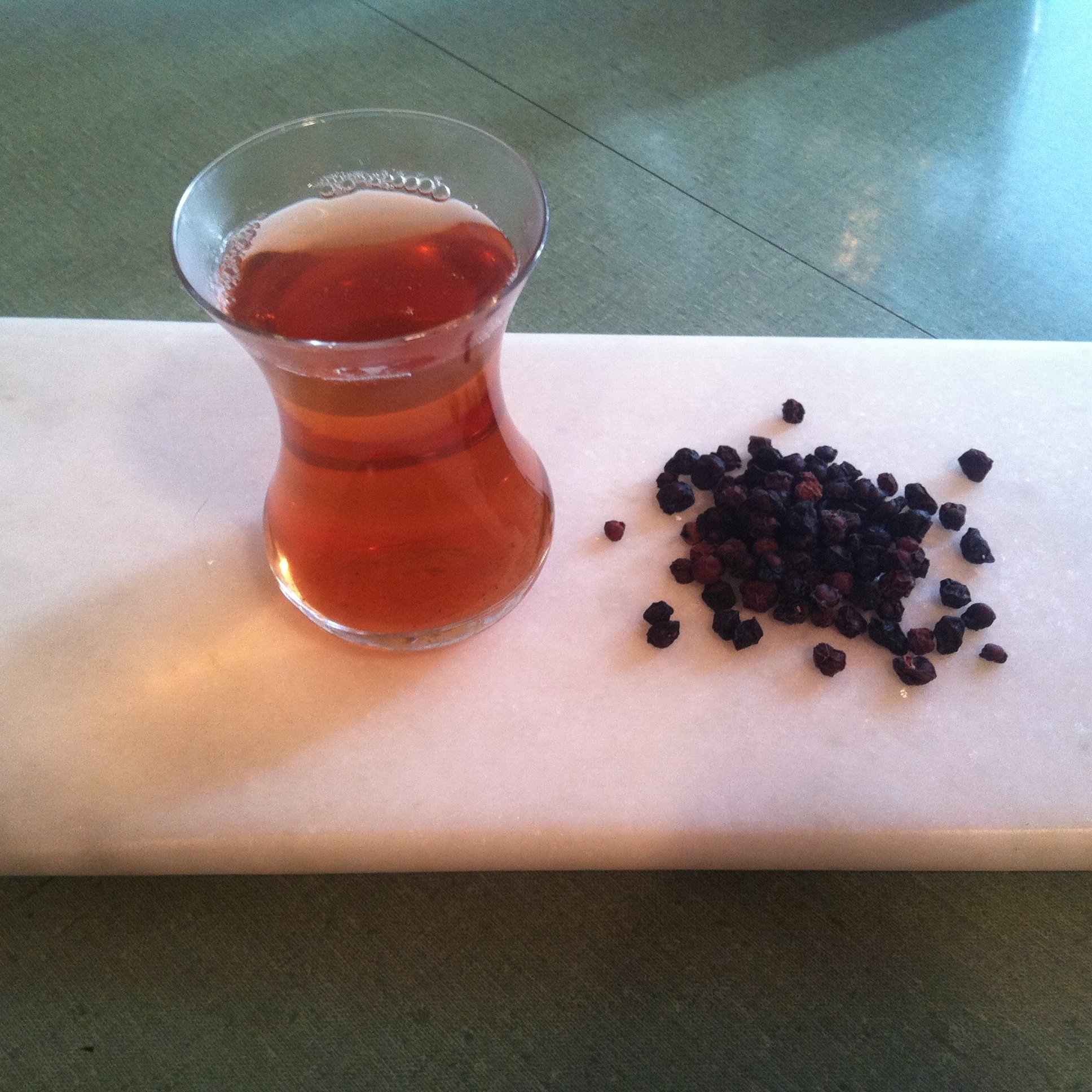
As mentioned in last month’s post, schisandra blends well with other herbal fruits such as hawthorn, elderberry and rosehips. You can also try substituting schisandra berry in any tea blend that would call for hibiscus.
Schisandra is also readily available in tincture form, which is convenient when you aren’t able to make a cup of tea.
Or, just chew on a few dried berries to reap schisandra’s benefits: start with one or two and work your way up.
Steph Zabel is an herbalist and educator based in Somerville, MA who helps urban dwellers connect with the plant world. She teaches herbal classes, is available for individual consultations, and is also the founder of HERBSTALK, a community herbal conference. Learn more about her work at: www.flowerfolkherbs.com and www.herbstalk.org.
References:
http://www.sciencedirect.com/science/article/pii/S037887410800216X
http://www.drugs.com/npp/schisandra.html
http://www.ncbi.nlm.nih.gov/pubmed/24944771
http://www.mediherb.com.au/pdf/6056_AU.pdf
http://cms.herbalgram.org/herbclip/pdfs/011007-185.pdf
Chevallier A. The Encyclopedia of Medicinal Plants . New York, NY: DK Publishing, 1996.
This Web site — Herbs and Botanicals — is for general health information only. This Web site is not to be used as a substitute for medical advice, diagnosis or treatment of any health condition or problem. Users of this Web site should not rely on information provided on this Web site for their own health problems. Any questions regarding your own health should be addressed to your own physician or other healthcare provider.
Not Just Skin Deep: Alex's Picks
This is the second post in our series Not Just Skin Deep - the products our staff use every day in their body care routines. Alex is one of the buyers in our body care department and has a background in cosmetology. She's scouted some wonderful new items for the skin care section, including A Wild Soap, and is always on the look out for amazing natural make up products!

1. Heritage Store Organic Castor Oil
This organic castor oil has been a great addition to my oil cleansing routine. I like to mix it with organic sweet almond oil and a touch of rosemary essential oil to create a facial cleansing solution in place of a traditional face wash. Castor oil is known to have anti-inflammatory properties and is a bit astringent, which is helpful for removing impurities from the skin. Heritage Store’s castor oil comes in a nice big glass bottle, cold-pressed, pesticide and paraben free, the company also tests the oil to be free of solvents and chemicals. My skin is still adjusting to this cleansing method but so far I love it!
2. Bamboobino Baby Washcloths
Ok, so these are supposed to be for babies, but why not get some for yourself? I like to use these after oil cleansing my face, run it under hot water to gently steam the skin and wipe of excess oil. These washcloths are seriously soft! Added bonus, bamboo fiber is hypoallergenic and has antibacterial properties. The company Bamboonino uses organically grown bamboo and cotton and is working towards become a carbon neutral company.
3. Evan Healy Light Moisture Replenishing Fluid
I really enjoy this product, I use it as my moisturizer before I apply my make up. The name pretty much sums it up! Super light, has a more liquid texture than your average moisturizer. Featuring tamanu oil, pomegranate seed oil and organic, sustainably sourced argan oil, it leaves my skin feeling balanced. Despite the fact that there is so many beneficial oils in the product, it is still super light. Evan Healy sources the argan oil from a protected and self governed women’s cooperative in Southern Morocco.
4. Hurraw! Moon Balm
Love this lip balm. First off, it smells amazing, almost like a vanilla cookie! It is intended as an overnight lip balm, as it contains soothing chamomile and a blend of therapeutic oils including meadowfoam seed oil and rosehip seed oil. However, I wear mine during the day - it’s certainly creamy, but I don't find it to be too heavy. And I can’t get enough of the scent! Hurraw!’s balms are vegan, raw, organic, fair trade and they also use sustainable argan oil from the Berber Cooperative in Southern Morocco.
5. A Wild Soap - Sea Scrub Bar with Sea Clay and Kelp
We just brought this line of soaps into the store. They come from a family owned company in Austin, Texas that uses organic and sustainable palm oil, wildcrafted herbs and unique essential oil blends. The Sea Scrub bar is my favorite. It has a super light and refreshing scent (palmarosa, cassia, vetiver are just some of the unique essential oils used!) that is blended with pumice, sea salt, sea clay and kelp. Refreshing, lots of lather and mineral rich!
6. Dr. Hauschka Liquid Eyeliner in Black
If you enjoy makeup and are forever trying to achieve that perfect cat eye, then this liner is for you! The brush on this eyeliner is crazy delicate and thin to help with precision. The eyeliner liquid is infused with eyebright and neem oil to help sooth and rose wax to help maintain color throughout the day. I definitely am still working on the perfect cat eye, but getting closer!
7. Mineral Fusion Sheer Moisture Lip Tint in Adorn
Another product new to our store, I love that this helps round out our cosmetic selection providing a quality yet cost effective (and cruelty free) lip color option or all ages. My favorite color is a rich plum called “adorn”, the darkest of the fun hues mineral fusion offers. It goes on pretty light - the color intensifies as you apply more to your lips. The consistency is super smooth, almost like a gloss, which is great. I keep it in my back pocket and reapply as needed!
Not Just Skin Deep: Our Natural Body Care Rituals
The truth is, when it comes to body care, the products you use every day go more than skin deep. At Cambridge Naturals our mission is to provide you with the best choices in truly natural, healthy and effective body care products that you can feel good about putting onto your body's largest organ: your skin. Whether it's five or 15, each of us on staff has body care products that we just can't live without. They make up our daily body care routines, helping us start and end each day feeling clean, refreshed, beautiful.
In this new blog series, our staff will tell the story of the products they use every day in their own body and beauty care rituals. Zack, our Assistant Manager and champion of our improved Men's Section, is the first one to step up to the plate! Read on for all of Zack's favorites...
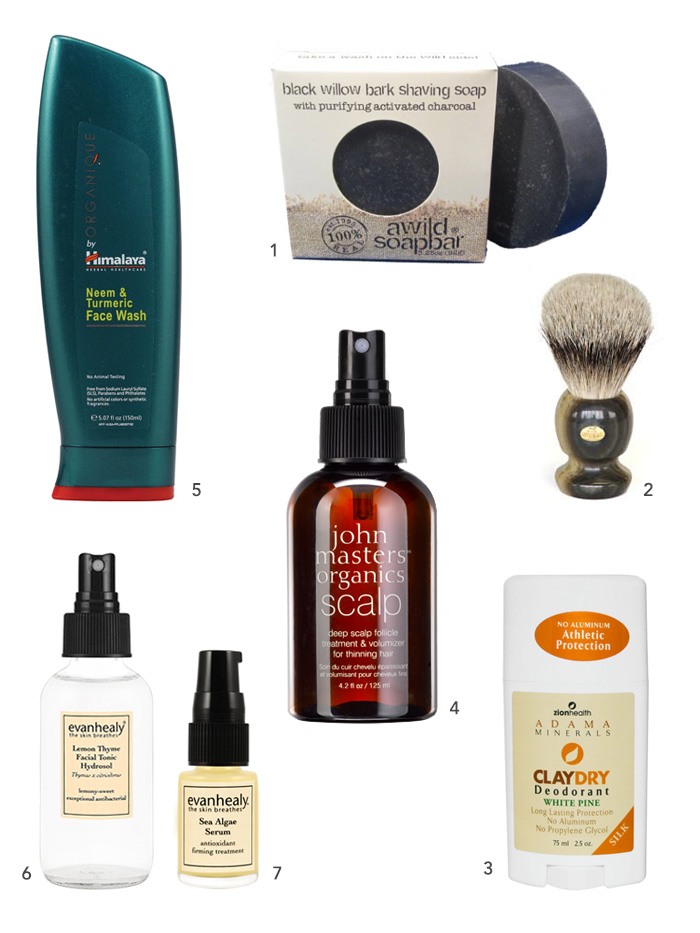
(1) Black Willow Bark Shaving Soap by A Wild Soap and (2) Vegan Shaving Brush by Omega
I love shaving, but it took me years of razor burn as well as trying different products and techniques to get to this point. If only I had known about natural shaving soaps! Now I look forward to shaving instead of dreading it. This is an incredible shaving soap infused with Black Willow Bark extract to sooth irritation and Activated Charcoal for exfoliation. Shaving soap is an often misunderstood body care product; it will work on its own but works amazingly better if you use shaving oil and a shaving brush. I like the Omega brand Vegan Shaving Brush and the Badger Shaving Oil. The key is to take your time and turn shaving from a chore to a joy.
Using a wet shaving brush, rub the shaving soap until a dense lather develops and then gently brush the lather into your oiled skin. And only shave in one direction before rinsing off and re-lathering!
(3) Clay Dry Deodorant - White Pine by Adama Minerals
How many deodorants does one have to try before they find the right one?! I have searched high-and-low for a deodorant that works through my entire workday that doesn't irritate my skin and doesn't smell like I'm wearing cologne. This is one of my new favorites, it goes on smooth without friction, smells 'clean', and gives me a good 6-8 hours of full effect. It also comes in three other scents. Two or three swipes and I’m good to go for the day.
(4) Scalp: Follicle Treatment and Volumizer for Thinning Hair by John Masters
Like a lot of people I rotate shampoos and conditioners every so often. And despite my best efforts, my hair is thinning fast. Some shampoos and conditioners can help by volumizing it or giving me a better balance of cleanliness and moisture, but this spray from John Masters is the best solution I have found. It is light in texture like water, is full of scalp stimulating herbs and essential oils, and leaves your hair and scalp feeling fabulous. Mist on after toweling off and gently massage into the scalp and hair. It’s no “miracle hair loss cure!” but it has helped improve my scalp and I like the way it leaves my hair looking, clean but not frizzy.
(5) Neem & Turmeric Face Wash by Himalaya
Oily skin can be a struggle, especially when you’ve got blemish prone skin too. This face wash from Himalaya is a great pick for anyone with oily, blemish prone skin who doesn’t want their skin drying out immediately after washing. Not only does it leave your skin feeling super-clean, it smells like fresh marjoram! I like to begin my day with this wash and end it with something more astringent.
(6) Lemon Thyme Hydrosol and (7) Sea Algae Serum by EvanHealy
What can I say about EvanHealy… their products are simply the best. Their Sea Algae Serum is a slick, lighter serum that is packed with natural antioxidants and beneficial oils and leaves the skin feeling smooth and looking radiant. And I love using their Lemon-Thyme Hydrosol for its oil-balancing and anti-microbial properties. It is honestly my favorite smell in the entire world. After washing your face morning or night, spray liberally with hydrosol and finish with one or two pumps of this serum. Heaven.
Hawthorn: Herb of the Heart
Crataegus laevigata and related species
Rosaceae Family
By Steph Zabel
Herbal Education and Consultations
Somerville, Cambridge & Boston, MA
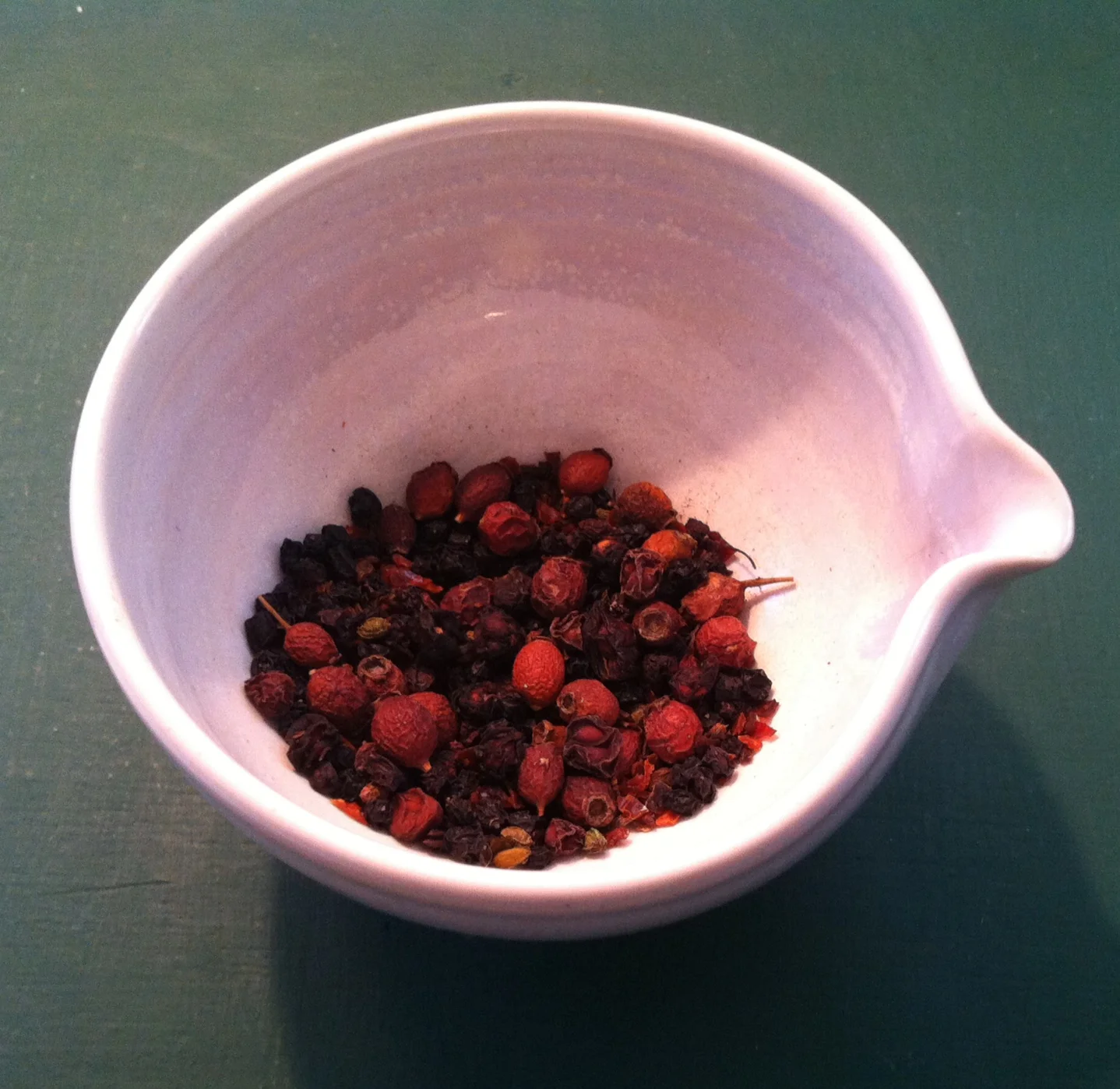
Hawthorn tea is one of my favorite and most comforting beverages – it is mellow and gentle, and seems especially fitting for the transitional time of early fall. If you are lucky enough to live near one of these beautiful trees, be sure to keep an eye out for the red-hued berries that resemble tiny apples. Currently these berries, or “haws”, are ripening and will soon be ready for harvest.
Crataegus laevigata and related species
Rosaceae Family
By Steph Zabel
Herbal Education and Consultations
Somerville, Cambridge & Boston, MA
Hawthorn tea is one of my favorite and most comforting beverages – it is mellow and gentle, and seems especially fitting for the transitional time of early fall. If you are lucky enough to live near one of these beautiful trees, be sure to keep an eye out for the red-hued berries that resemble tiny apples. Currently these berries, or “haws”, are ripening and will soon be ready for harvest.
Hawthorn has been prized by herbalists for centuries and is in fact one of the oldest continually used plants in Western herbal medicine.
It is renowned as an important cardiac tonic, imparting a strengthening and protective effect on the heart. When used over time hawthorn strengthens the myocardium muscle, and improves overall cardiac tone and function.
In traditional herbal medicine it was used for a variety of cardiac issues ranging from heart palpitations to abnormal blood pressure to congestive heart failure (commonly called dropsy in the past). It is also believed to reduce the likelihood of a heart attack by decreasing plaque formation in the arteries.
Herbalists use hawthorn to improve blood flow to the heart and to increase overall circulation throughout the body. Additionally, its high antioxidant content naturally protects the heart from any oxidative damage.
Beyond its action on the physical heart hawthorn also has a special affinity for the emotional heart. It can be used to bring comfort during times of loss, grief and heart-break. Hawthorn soothes a saddened heart and provides gentle support during stress and overwhelm. It is one of the best herbs I know of for a tender or troubled heart.
Hawthorn can be used in many different forms. A simple decoction of the dried berries yields a delicious, mellow tea that is soothing to drink (see recipe below). Or, an infusion of the dried leaves and flowers can be made just as you would brew any leaf tea. You can also use the liquid tincture by the dropper-full or the solid extract of hawthorn in paste form.
With its balancing, strengthening and protective action on the heart, hawthorn is a lovely addition for any home apothecary cabinet. Its gentle action makes it safe for long-term use and its taste makes it palatable to all tea drinkers.
Hawthorn Decoction (a simmered tea)
Add 1 Tblsp. of dried hawthorn berries to 1 pint of water and bring to a boil in a small saucepan. Turn down the heat to a simmer, cover, and let gently bubble away for 15 to 20 minutes to yield a medicinal tea. Strain and drink.
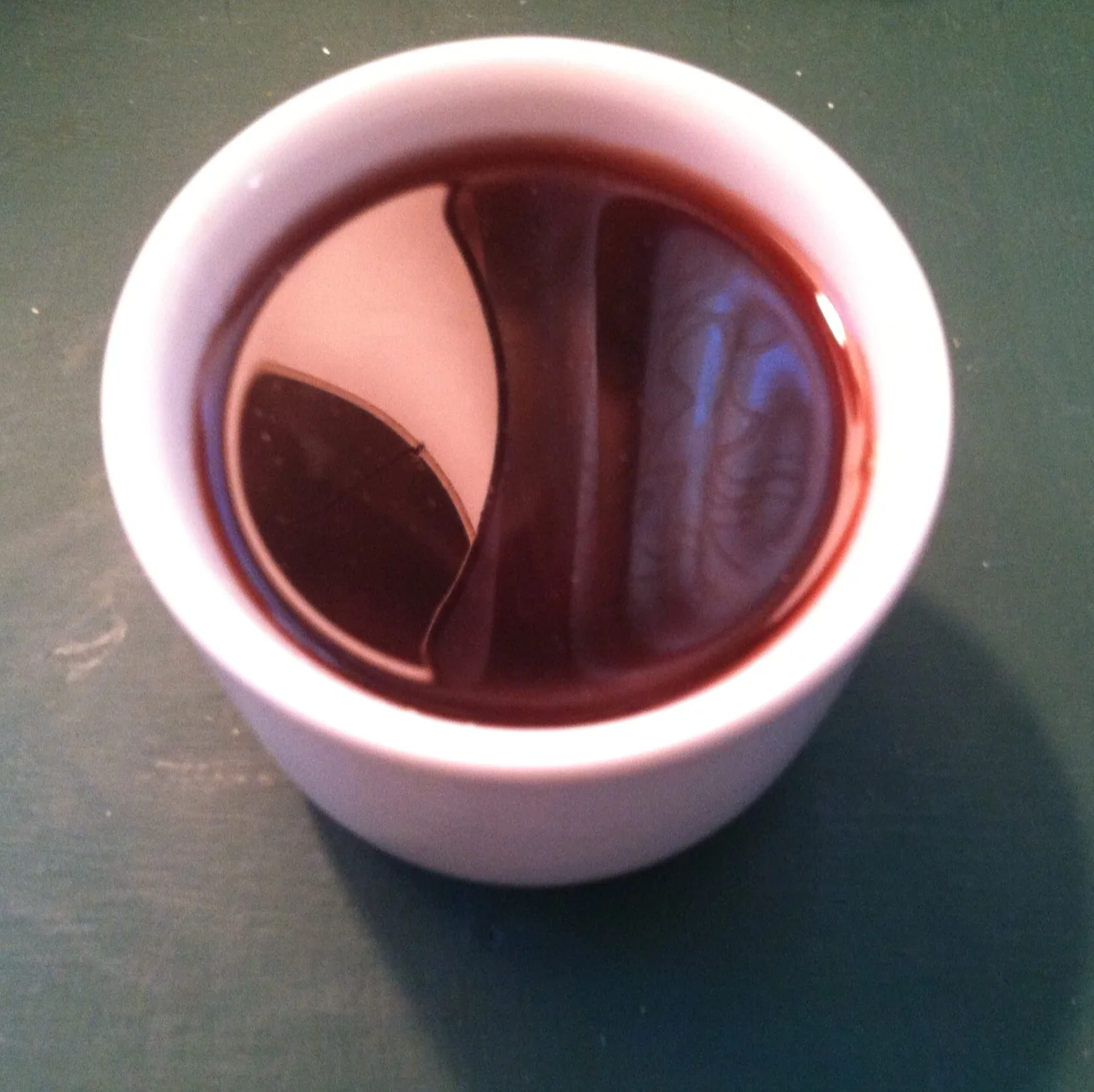
Autumn Berry Tea
2 tsp. hawthorn berries
2 tsp. elderberries
2 tsp. rosehips
1 tsp. schisandra berries
Mix all the herbs together and add to 1 quart of water in a small saucepan. Bring to a boil then lower heat to a gentle simmer. Let simmer covered for 20 minutes, then strain and drink. This makes a slightly tart berry tea that is full of antioxidants and vitamins, wonderful for supporting immunity during the fall season. Consider adding 1 tsp. of cinnamon chips and/or ginger root for a spicier, warming brew.
Steph Zabel, herbalist and educator works in Somerville, Cambridge & Boston, MA. She teaches herb classes, is available for individual consults and runs the wildly popular annual event known as HERBSTALK. This event draws herbalists and others from all over New England for 2 days of workshops, education and an herbal marketplace. Her contact info and HERBSTALK info can be found at: www.flowerfolkherbs.com.
Article sources:
http://cms.herbalgram.org/expandedE/Hawthornberry.html?ts=1409061841&signature=9fdb365285c7519b7a79c0cb06e657ab
http://www.ncbi.nlm.nih.gov/pmc/articles/PMC3249900/
http://www.aafp.org/afp/2010/0215/p465.html
http://www.smart-publications.com/articles/hawthorn-the-safe-heart-tonic-that-improves-blood-supply-to-the-heart
http://www.methowvalleyherbs.com/2010/04/hawthorne-for-this-little-heart-of-mine.html
This Web site — Herbs and Botanicals — is for general health information only. This Web site is not to be used as a substitute for medical advice, diagnosis or treatment of any health condition or problem. Users of this Web site should not rely on information provided on this Web site for their own health problems. Any questions regarding your own health should be addressed to your own physician or other healthcare provider.
Book Review: Missing Microbes
By Martin J. Blaser, MD
Reviewed by Rosalind Michahelles
The author of MISSING MICROBES, Martin Blaser, is near the top of the tree in the U.S. medical establishment. He is someone to listen to. Not only is he the head of the Human Microbiome Program – the study of our body’s bacteria – but he has also been the head of the NYU Medical School and the Infectious Diseases Society of America. He is not by any means the first to warn against the overuse of antibiotics, which has led inexorably to both antibiotic resistance – they don’t work as well – and possibly to other problems, like obesity, esophageal cancer, asthma, juvenile diabetes, and celiac disease.

By Martin J. Blaser, MD
Reviewed by Rosalind Michahelles
The author of MISSING MICROBES, Martin Blaser, is near the top of the tree in the U.S. medical establishment. He is someone to listen to. Not only is he the head of the Human Microbiome Program – the study of our body’s bacteria – but he has also been the head of the NYU Medical School and the Infectious Diseases Society of America. He is not by any means the first to warn against the overuse of antibiotics, which has led inexorably to both antibiotic resistance – they don’t work as well – and possibly to other problems, like obesity, esophageal cancer, asthma, juvenile diabetes, and celiac disease.
All reasons to pay attention!
Dr. Blaser calls our attention to what happens when we are profligate with antibiotics, as we have been for the last half-century. “Increased susceptibility to new infections is one of the hidden costs of antibiotic use.” Why might that be? In part because we depend on our bacteria and his research shows that we have lost 15%-40% of our microbial diversity and the attendant genes. “Their 20 million genes help us resist disease.”
He stresses that it is the diversity rather than the quantity that’s at issue here. We need the diversity to be able to handle new and unfamiliar infections.
How do antibiotics do their job? And how do bacteria develop resistance such that they can withstand antibiotics? There are generally three ways that antibiotics inactivate a bacterium: interfering with the integrity of the cell’s wall; interfering with the cell’s protein synthesis; interfering with its reproductive capacity. Some illnesses are therefore treated with more than one kind of antibiotic in order to be effective.
Antibacterial resistance is the natural product of evolutionary selection. Some bacteria lucky enough to withstand, say, penicillin, because of a mutation will prosper and be around the next time penicillin is introduced. That form of resistance is called “vertical.” What’s less obvious is the remarkable “horizontal” transmission when bacteria – even across species – gain or swap genes. Scientists have nick-named this “bacterial sex.”
Time was when we thought microbes were dirty and dangerous, as indeed some are. However, the microbes that make up the human microbiome are not only our best friends they are also us. Dr. Blaser tells us that 70%-90% of the cells in our body are not human, they are bacteria providing “essential services.” One example is how we outsource the production of vitamin K-1 that is necessary for blood clotting. We count on our bacteria to do that job for us when we share the leafy greens we eat with them. Furthermore, our internal microbes contribute to our immune function via their own antibiotics – which they possess in order to poison their competitors.
For these and other reasons, the use of antibiotics has been a mixed blessing. Lives have been saved; but now we find the unexpected costs because – as Dr. Blaser supposes – the reduced bio-diversity within makes us more susceptible to some increasingly common ailments. The rise in esophageal cancer is a curious case as it is in inverse relation to the amount of the bacterium helicobacter-pylori in our stomachs. There is a positive correlation, however, with h-pylori and stomach cancer. If, as the author posits, antibiotic use generally has reduced the h-pylori population in our stomachs, that could account for the drop in stomach cancers and the increase in esophageal cancers. So far, this piece of research like many of the others, reflects correlation, not cause.
Obesity is another increase Dr. Blaser dwells on. The long-term administration of sub-therapeutic levels of antibiotics to farm animals in order to spur growth and fattening has meant that people consuming meat, farmed fish, eggs, and milk in this country have also been consuming those antibiotics. If they fatten young pigs and cows and chickens and fish, won’t they fatten our children, too?
Were animal feed deprived of antibiotics, as has been the case in Europe since 1991, meat prices would go up – but then wouldn’t medical costs go down? Not a bad trade-off, surely. If routine administration of antibiotics in animal husbandry increases not only antibiotic resistance but also maybe even the epidemic of obesity, can we not summon the will to make a change? That is where Dr. Blaser leaves us at the end of this readable, compelling book. Here are the solutions to start with:
- Stop using hand sanitizers; instead use soap and water;
- Reduce the unnecessary “just-in-case” prescriptions for antibiotics;
- Develop quicker diagnostic tests to pinpoint the illness (e.g., bacterial or viral?);
- Avoid broad-spectrum antibiotics which go to all parts of the body;
- Develop narrow-spectrum antibiotics that target the specific problem;
- Prevent agricultural use of antibiotics except for veterinary-assisted illnesses;
- Avoid Caesarian births wherever possible, as they deprive the newborn of the maternal bacteria in the birth canal.
- I would add, read my essay “Antibiotic Resistance – and What to Do About It?"
Rosalind Michahelles is a Certified Holistic Health Counselor in Cambridge. For questions about this essay or related issues please call 617-491-3239 or visit www.nutrition-matters.info
Photos from our anniversary celebration
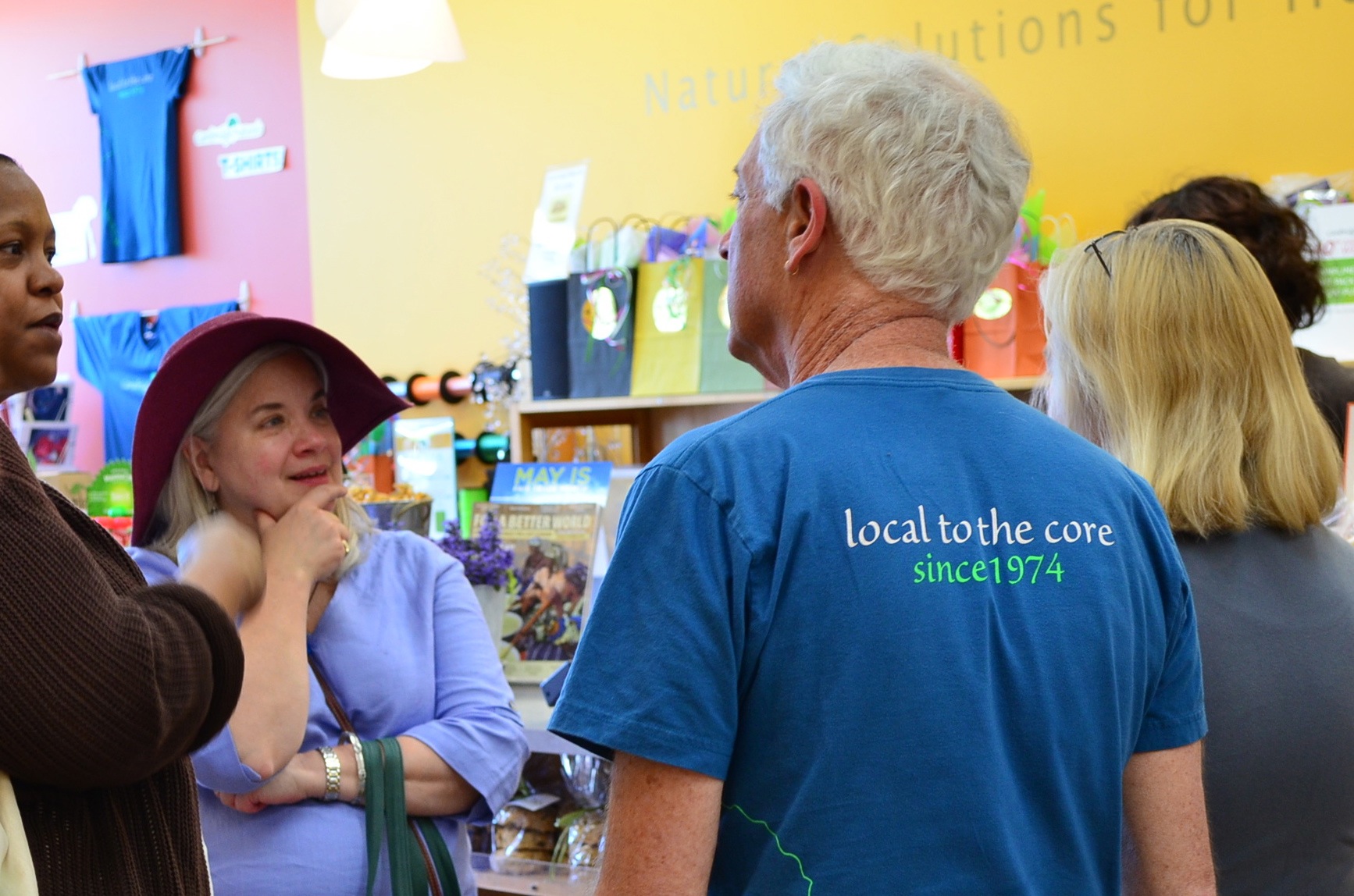
We celebrated our 40th anniversary the weekend of May 16th-18th, and it was a fabulous time! Many of our wonderful vendors came out to sample their products, and local practitioners gave free chair massages. You can read more details about the celebration in our press release.
Scott on our staff took some great photos of the event: