
The Naturalist Blog
*
The Naturalist Blog *
Not Just Skin Deep: Alex's Picks
This is the second post in our series Not Just Skin Deep - the products our staff use every day in their body care routines. Alex is one of the buyers in our body care department and has a background in cosmetology. She's scouted some wonderful new items for the skin care section, including A Wild Soap, and is always on the look out for amazing natural make up products!

1. Heritage Store Organic Castor Oil
This organic castor oil has been a great addition to my oil cleansing routine. I like to mix it with organic sweet almond oil and a touch of rosemary essential oil to create a facial cleansing solution in place of a traditional face wash. Castor oil is known to have anti-inflammatory properties and is a bit astringent, which is helpful for removing impurities from the skin. Heritage Store’s castor oil comes in a nice big glass bottle, cold-pressed, pesticide and paraben free, the company also tests the oil to be free of solvents and chemicals. My skin is still adjusting to this cleansing method but so far I love it!
2. Bamboobino Baby Washcloths
Ok, so these are supposed to be for babies, but why not get some for yourself? I like to use these after oil cleansing my face, run it under hot water to gently steam the skin and wipe of excess oil. These washcloths are seriously soft! Added bonus, bamboo fiber is hypoallergenic and has antibacterial properties. The company Bamboonino uses organically grown bamboo and cotton and is working towards become a carbon neutral company.
3. Evan Healy Light Moisture Replenishing Fluid
I really enjoy this product, I use it as my moisturizer before I apply my make up. The name pretty much sums it up! Super light, has a more liquid texture than your average moisturizer. Featuring tamanu oil, pomegranate seed oil and organic, sustainably sourced argan oil, it leaves my skin feeling balanced. Despite the fact that there is so many beneficial oils in the product, it is still super light. Evan Healy sources the argan oil from a protected and self governed women’s cooperative in Southern Morocco.
4. Hurraw! Moon Balm
Love this lip balm. First off, it smells amazing, almost like a vanilla cookie! It is intended as an overnight lip balm, as it contains soothing chamomile and a blend of therapeutic oils including meadowfoam seed oil and rosehip seed oil. However, I wear mine during the day - it’s certainly creamy, but I don't find it to be too heavy. And I can’t get enough of the scent! Hurraw!’s balms are vegan, raw, organic, fair trade and they also use sustainable argan oil from the Berber Cooperative in Southern Morocco.
5. A Wild Soap - Sea Scrub Bar with Sea Clay and Kelp
We just brought this line of soaps into the store. They come from a family owned company in Austin, Texas that uses organic and sustainable palm oil, wildcrafted herbs and unique essential oil blends. The Sea Scrub bar is my favorite. It has a super light and refreshing scent (palmarosa, cassia, vetiver are just some of the unique essential oils used!) that is blended with pumice, sea salt, sea clay and kelp. Refreshing, lots of lather and mineral rich!
6. Dr. Hauschka Liquid Eyeliner in Black
If you enjoy makeup and are forever trying to achieve that perfect cat eye, then this liner is for you! The brush on this eyeliner is crazy delicate and thin to help with precision. The eyeliner liquid is infused with eyebright and neem oil to help sooth and rose wax to help maintain color throughout the day. I definitely am still working on the perfect cat eye, but getting closer!
7. Mineral Fusion Sheer Moisture Lip Tint in Adorn
Another product new to our store, I love that this helps round out our cosmetic selection providing a quality yet cost effective (and cruelty free) lip color option or all ages. My favorite color is a rich plum called “adorn”, the darkest of the fun hues mineral fusion offers. It goes on pretty light - the color intensifies as you apply more to your lips. The consistency is super smooth, almost like a gloss, which is great. I keep it in my back pocket and reapply as needed!
Not Just Skin Deep: Our Natural Body Care Rituals
The truth is, when it comes to body care, the products you use every day go more than skin deep. At Cambridge Naturals our mission is to provide you with the best choices in truly natural, healthy and effective body care products that you can feel good about putting onto your body's largest organ: your skin. Whether it's five or 15, each of us on staff has body care products that we just can't live without. They make up our daily body care routines, helping us start and end each day feeling clean, refreshed, beautiful.
In this new blog series, our staff will tell the story of the products they use every day in their own body and beauty care rituals. Zack, our Assistant Manager and champion of our improved Men's Section, is the first one to step up to the plate! Read on for all of Zack's favorites...
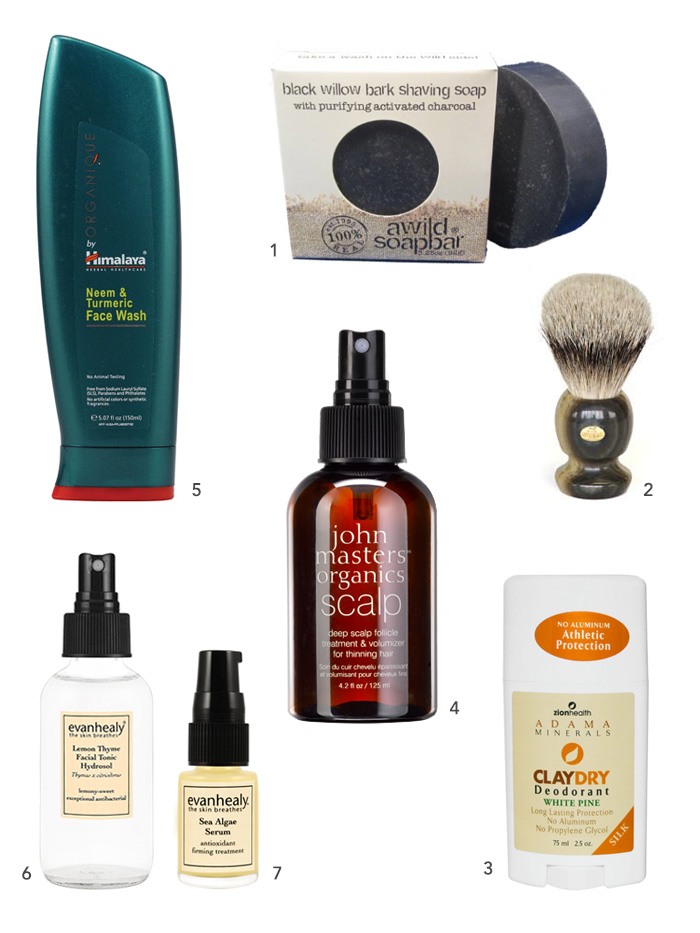
(1) Black Willow Bark Shaving Soap by A Wild Soap and (2) Vegan Shaving Brush by Omega
I love shaving, but it took me years of razor burn as well as trying different products and techniques to get to this point. If only I had known about natural shaving soaps! Now I look forward to shaving instead of dreading it. This is an incredible shaving soap infused with Black Willow Bark extract to sooth irritation and Activated Charcoal for exfoliation. Shaving soap is an often misunderstood body care product; it will work on its own but works amazingly better if you use shaving oil and a shaving brush. I like the Omega brand Vegan Shaving Brush and the Badger Shaving Oil. The key is to take your time and turn shaving from a chore to a joy.
Using a wet shaving brush, rub the shaving soap until a dense lather develops and then gently brush the lather into your oiled skin. And only shave in one direction before rinsing off and re-lathering!
(3) Clay Dry Deodorant - White Pine by Adama Minerals
How many deodorants does one have to try before they find the right one?! I have searched high-and-low for a deodorant that works through my entire workday that doesn't irritate my skin and doesn't smell like I'm wearing cologne. This is one of my new favorites, it goes on smooth without friction, smells 'clean', and gives me a good 6-8 hours of full effect. It also comes in three other scents. Two or three swipes and I’m good to go for the day.
(4) Scalp: Follicle Treatment and Volumizer for Thinning Hair by John Masters
Like a lot of people I rotate shampoos and conditioners every so often. And despite my best efforts, my hair is thinning fast. Some shampoos and conditioners can help by volumizing it or giving me a better balance of cleanliness and moisture, but this spray from John Masters is the best solution I have found. It is light in texture like water, is full of scalp stimulating herbs and essential oils, and leaves your hair and scalp feeling fabulous. Mist on after toweling off and gently massage into the scalp and hair. It’s no “miracle hair loss cure!” but it has helped improve my scalp and I like the way it leaves my hair looking, clean but not frizzy.
(5) Neem & Turmeric Face Wash by Himalaya
Oily skin can be a struggle, especially when you’ve got blemish prone skin too. This face wash from Himalaya is a great pick for anyone with oily, blemish prone skin who doesn’t want their skin drying out immediately after washing. Not only does it leave your skin feeling super-clean, it smells like fresh marjoram! I like to begin my day with this wash and end it with something more astringent.
(6) Lemon Thyme Hydrosol and (7) Sea Algae Serum by EvanHealy
What can I say about EvanHealy… their products are simply the best. Their Sea Algae Serum is a slick, lighter serum that is packed with natural antioxidants and beneficial oils and leaves the skin feeling smooth and looking radiant. And I love using their Lemon-Thyme Hydrosol for its oil-balancing and anti-microbial properties. It is honestly my favorite smell in the entire world. After washing your face morning or night, spray liberally with hydrosol and finish with one or two pumps of this serum. Heaven.
Hawthorn: Herb of the Heart
Crataegus laevigata and related species
Rosaceae Family
By Steph Zabel
Herbal Education and Consultations
Somerville, Cambridge & Boston, MA
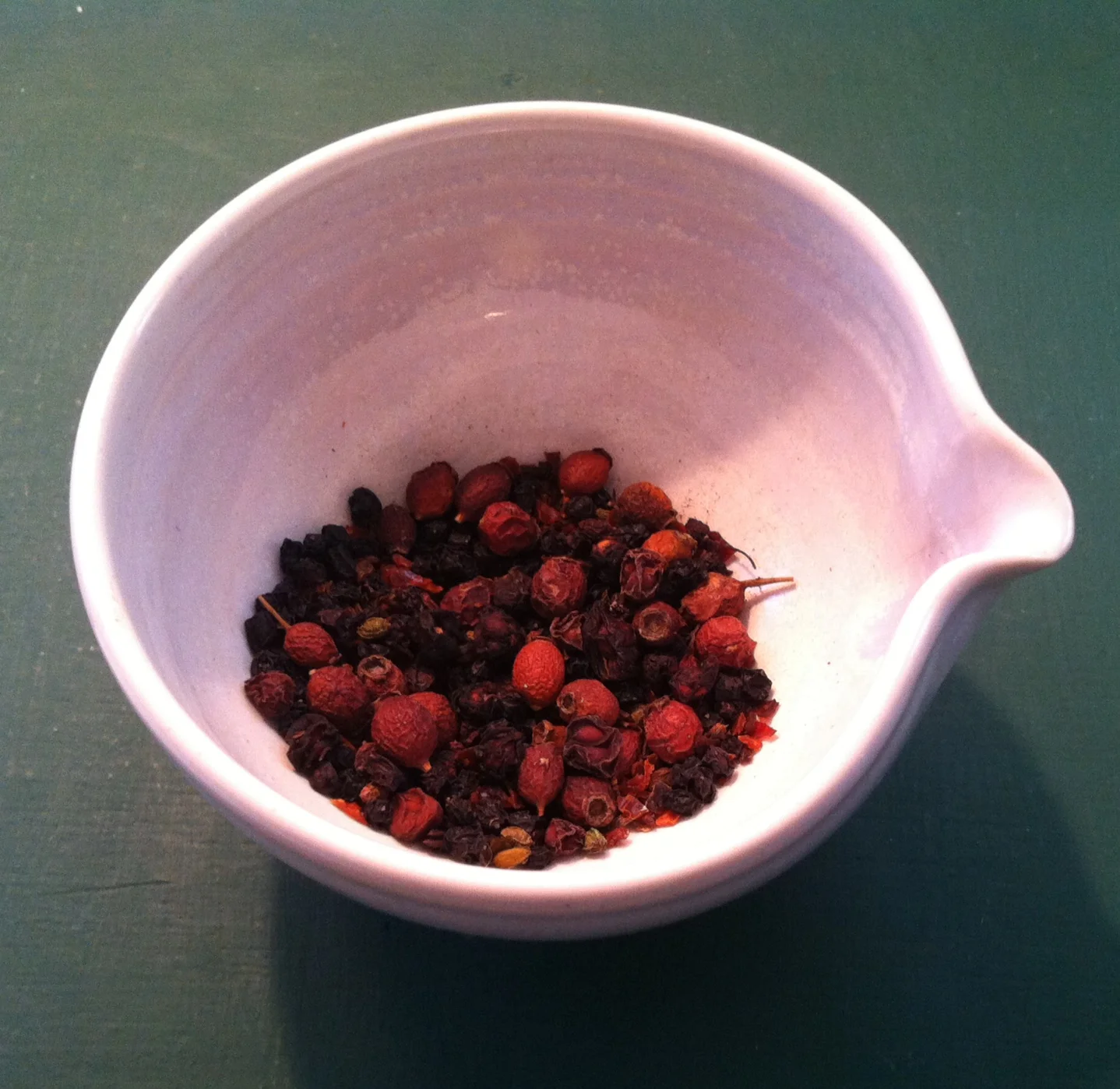
Hawthorn tea is one of my favorite and most comforting beverages – it is mellow and gentle, and seems especially fitting for the transitional time of early fall. If you are lucky enough to live near one of these beautiful trees, be sure to keep an eye out for the red-hued berries that resemble tiny apples. Currently these berries, or “haws”, are ripening and will soon be ready for harvest.
Crataegus laevigata and related species
Rosaceae Family
By Steph Zabel
Herbal Education and Consultations
Somerville, Cambridge & Boston, MA
Hawthorn tea is one of my favorite and most comforting beverages – it is mellow and gentle, and seems especially fitting for the transitional time of early fall. If you are lucky enough to live near one of these beautiful trees, be sure to keep an eye out for the red-hued berries that resemble tiny apples. Currently these berries, or “haws”, are ripening and will soon be ready for harvest.
Hawthorn has been prized by herbalists for centuries and is in fact one of the oldest continually used plants in Western herbal medicine.
It is renowned as an important cardiac tonic, imparting a strengthening and protective effect on the heart. When used over time hawthorn strengthens the myocardium muscle, and improves overall cardiac tone and function.
In traditional herbal medicine it was used for a variety of cardiac issues ranging from heart palpitations to abnormal blood pressure to congestive heart failure (commonly called dropsy in the past). It is also believed to reduce the likelihood of a heart attack by decreasing plaque formation in the arteries.
Herbalists use hawthorn to improve blood flow to the heart and to increase overall circulation throughout the body. Additionally, its high antioxidant content naturally protects the heart from any oxidative damage.
Beyond its action on the physical heart hawthorn also has a special affinity for the emotional heart. It can be used to bring comfort during times of loss, grief and heart-break. Hawthorn soothes a saddened heart and provides gentle support during stress and overwhelm. It is one of the best herbs I know of for a tender or troubled heart.
Hawthorn can be used in many different forms. A simple decoction of the dried berries yields a delicious, mellow tea that is soothing to drink (see recipe below). Or, an infusion of the dried leaves and flowers can be made just as you would brew any leaf tea. You can also use the liquid tincture by the dropper-full or the solid extract of hawthorn in paste form.
With its balancing, strengthening and protective action on the heart, hawthorn is a lovely addition for any home apothecary cabinet. Its gentle action makes it safe for long-term use and its taste makes it palatable to all tea drinkers.
Hawthorn Decoction (a simmered tea)
Add 1 Tblsp. of dried hawthorn berries to 1 pint of water and bring to a boil in a small saucepan. Turn down the heat to a simmer, cover, and let gently bubble away for 15 to 20 minutes to yield a medicinal tea. Strain and drink.
Autumn Berry Tea
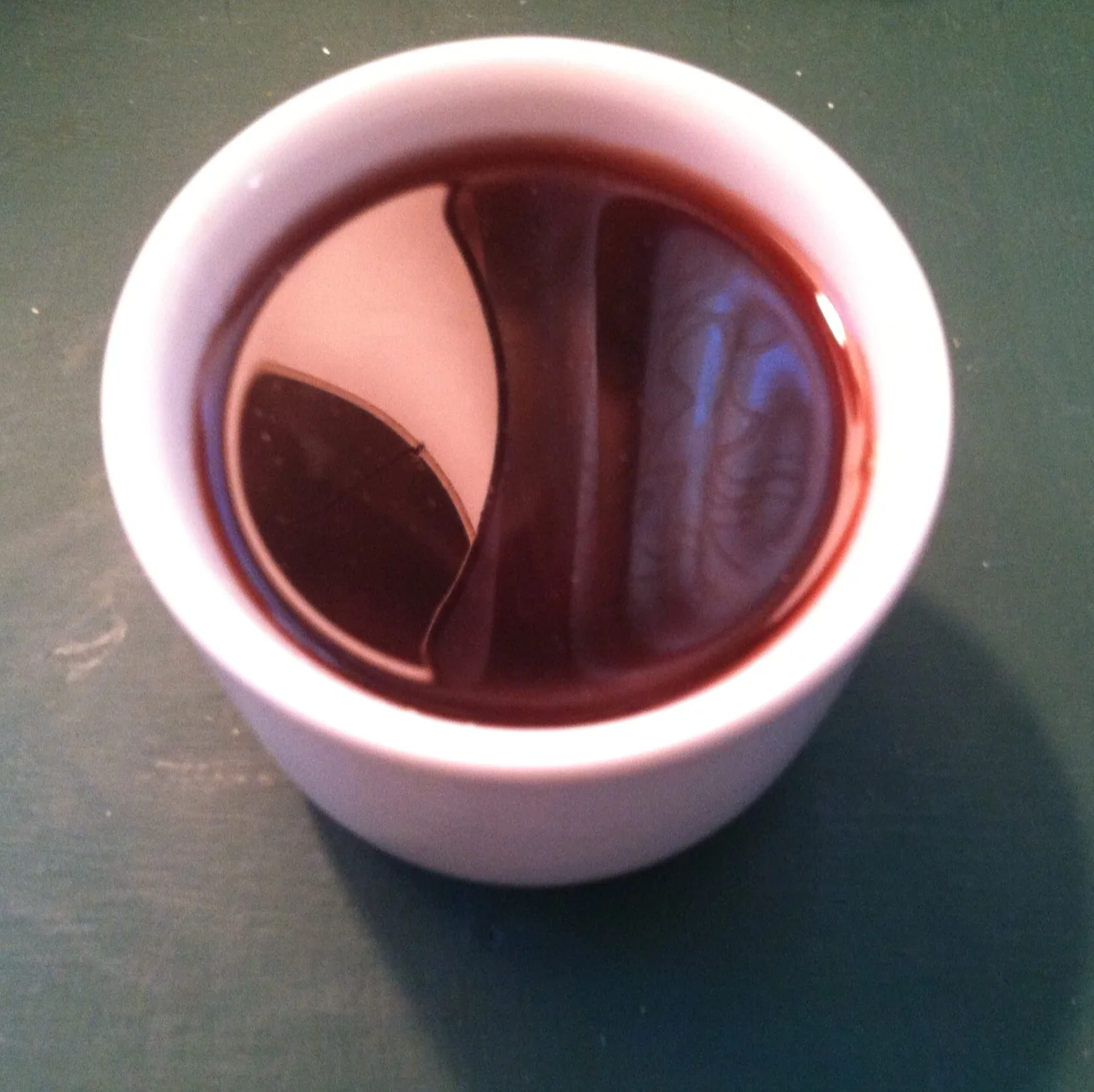
2 tsp. hawthorn berries
2 tsp. elderberries
2 tsp. rosehips
1 tsp. schisandra berries
Mix all the herbs together and add to 1 quart of water in a small saucepan. Bring to a boil then lower heat to a gentle simmer. Let simmer covered for 20 minutes, then strain and drink. This makes a slightly tart berry tea that is full of antioxidants and vitamins, wonderful for supporting immunity during the fall season. Consider adding 1 tsp. of cinnamon chips and/or ginger root for a spicier, warming brew.
Steph Zabel, herbalist and educator works in Somerville, Cambridge & Boston, MA. She teaches herb classes, is available for individual consults and runs the wildly popular annual event known as HERBSTALK. This event draws herbalists and others from all over New England for 2 days of workshops, education and an herbal marketplace. Her contact info and HERBSTALK info can be found at: www.flowerfolkherbs.com.
Article sources:
http://cms.herbalgram.org/expandedE/Hawthornberry.html?ts=1409061841&signature=9fdb365285c7519b7a79c0cb06e657ab
http://www.ncbi.nlm.nih.gov/pmc/articles/PMC3249900/
http://www.aafp.org/afp/2010/0215/p465.html
http://www.smart-publications.com/articles/hawthorn-the-safe-heart-tonic-that-improves-blood-supply-to-the-heart
http://www.methowvalleyherbs.com/2010/04/hawthorne-for-this-little-heart-of-mine.html
This Web site — Herbs and Botanicals — is for general health information only. This Web site is not to be used as a substitute for medical advice, diagnosis or treatment of any health condition or problem. Users of this Web site should not rely on information provided on this Web site for their own health problems. Any questions regarding your own health should be addressed to your own physician or other healthcare provider.
Book Review: Missing Microbes
By Martin J. Blaser, MD
Reviewed by Rosalind Michahelles
The author of MISSING MICROBES, Martin Blaser, is near the top of the tree in the U.S. medical establishment. He is someone to listen to. Not only is he the head of the Human Microbiome Program – the study of our body’s bacteria – but he has also been the head of the NYU Medical School and the Infectious Diseases Society of America. He is not by any means the first to warn against the overuse of antibiotics, which has led inexorably to both antibiotic resistance – they don’t work as well – and possibly to other problems, like obesity, esophageal cancer, asthma, juvenile diabetes, and celiac disease.

By Martin J. Blaser, MD
Reviewed by Rosalind Michahelles
The author of MISSING MICROBES, Martin Blaser, is near the top of the tree in the U.S. medical establishment. He is someone to listen to. Not only is he the head of the Human Microbiome Program – the study of our body’s bacteria – but he has also been the head of the NYU Medical School and the Infectious Diseases Society of America. He is not by any means the first to warn against the overuse of antibiotics, which has led inexorably to both antibiotic resistance – they don’t work as well – and possibly to other problems, like obesity, esophageal cancer, asthma, juvenile diabetes, and celiac disease.
All reasons to pay attention!
Dr. Blaser calls our attention to what happens when we are profligate with antibiotics, as we have been for the last half-century. “Increased susceptibility to new infections is one of the hidden costs of antibiotic use.” Why might that be? In part because we depend on our bacteria and his research shows that we have lost 15%-40% of our microbial diversity and the attendant genes. “Their 20 million genes help us resist disease.”
He stresses that it is the diversity rather than the quantity that’s at issue here. We need the diversity to be able to handle new and unfamiliar infections.
How do antibiotics do their job? And how do bacteria develop resistance such that they can withstand antibiotics? There are generally three ways that antibiotics inactivate a bacterium: interfering with the integrity of the cell’s wall; interfering with the cell’s protein synthesis; interfering with its reproductive capacity. Some illnesses are therefore treated with more than one kind of antibiotic in order to be effective.
Antibacterial resistance is the natural product of evolutionary selection. Some bacteria lucky enough to withstand, say, penicillin, because of a mutation will prosper and be around the next time penicillin is introduced. That form of resistance is called “vertical.” What’s less obvious is the remarkable “horizontal” transmission when bacteria – even across species – gain or swap genes. Scientists have nick-named this “bacterial sex.”
Time was when we thought microbes were dirty and dangerous, as indeed some are. However, the microbes that make up the human microbiome are not only our best friends they are also us. Dr. Blaser tells us that 70%-90% of the cells in our body are not human, they are bacteria providing “essential services.” One example is how we outsource the production of vitamin K-1 that is necessary for blood clotting. We count on our bacteria to do that job for us when we share the leafy greens we eat with them. Furthermore, our internal microbes contribute to our immune function via their own antibiotics – which they possess in order to poison their competitors.
For these and other reasons, the use of antibiotics has been a mixed blessing. Lives have been saved; but now we find the unexpected costs because – as Dr. Blaser supposes – the reduced bio-diversity within makes us more susceptible to some increasingly common ailments. The rise in esophageal cancer is a curious case as it is in inverse relation to the amount of the bacterium helicobacter-pylori in our stomachs. There is a positive correlation, however, with h-pylori and stomach cancer. If, as the author posits, antibiotic use generally has reduced the h-pylori population in our stomachs, that could account for the drop in stomach cancers and the increase in esophageal cancers. So far, this piece of research like many of the others, reflects correlation, not cause.
Obesity is another increase Dr. Blaser dwells on. The long-term administration of sub-therapeutic levels of antibiotics to farm animals in order to spur growth and fattening has meant that people consuming meat, farmed fish, eggs, and milk in this country have also been consuming those antibiotics. If they fatten young pigs and cows and chickens and fish, won’t they fatten our children, too?
Were animal feed deprived of antibiotics, as has been the case in Europe since 1991, meat prices would go up – but then wouldn’t medical costs go down? Not a bad trade-off, surely. If routine administration of antibiotics in animal husbandry increases not only antibiotic resistance but also maybe even the epidemic of obesity, can we not summon the will to make a change? That is where Dr. Blaser leaves us at the end of this readable, compelling book. Here are the solutions to start with:
- Stop using hand sanitizers; instead use soap and water;
- Reduce the unnecessary “just-in-case” prescriptions for antibiotics;
- Develop quicker diagnostic tests to pinpoint the illness (e.g., bacterial or viral?);
- Avoid broad-spectrum antibiotics which go to all parts of the body;
- Develop narrow-spectrum antibiotics that target the specific problem;
- Prevent agricultural use of antibiotics except for veterinary-assisted illnesses;
- Avoid Caesarian births wherever possible, as they deprive the newborn of the maternal bacteria in the birth canal.
- I would add, read my essay “Antibiotic Resistance – and What to Do About It?"
Rosalind Michahelles is a Certified Holistic Health Counselor in Cambridge. For questions about this essay or related issues please call 617-491-3239 or visit www.nutrition-matters.info
Photos from our anniversary celebration
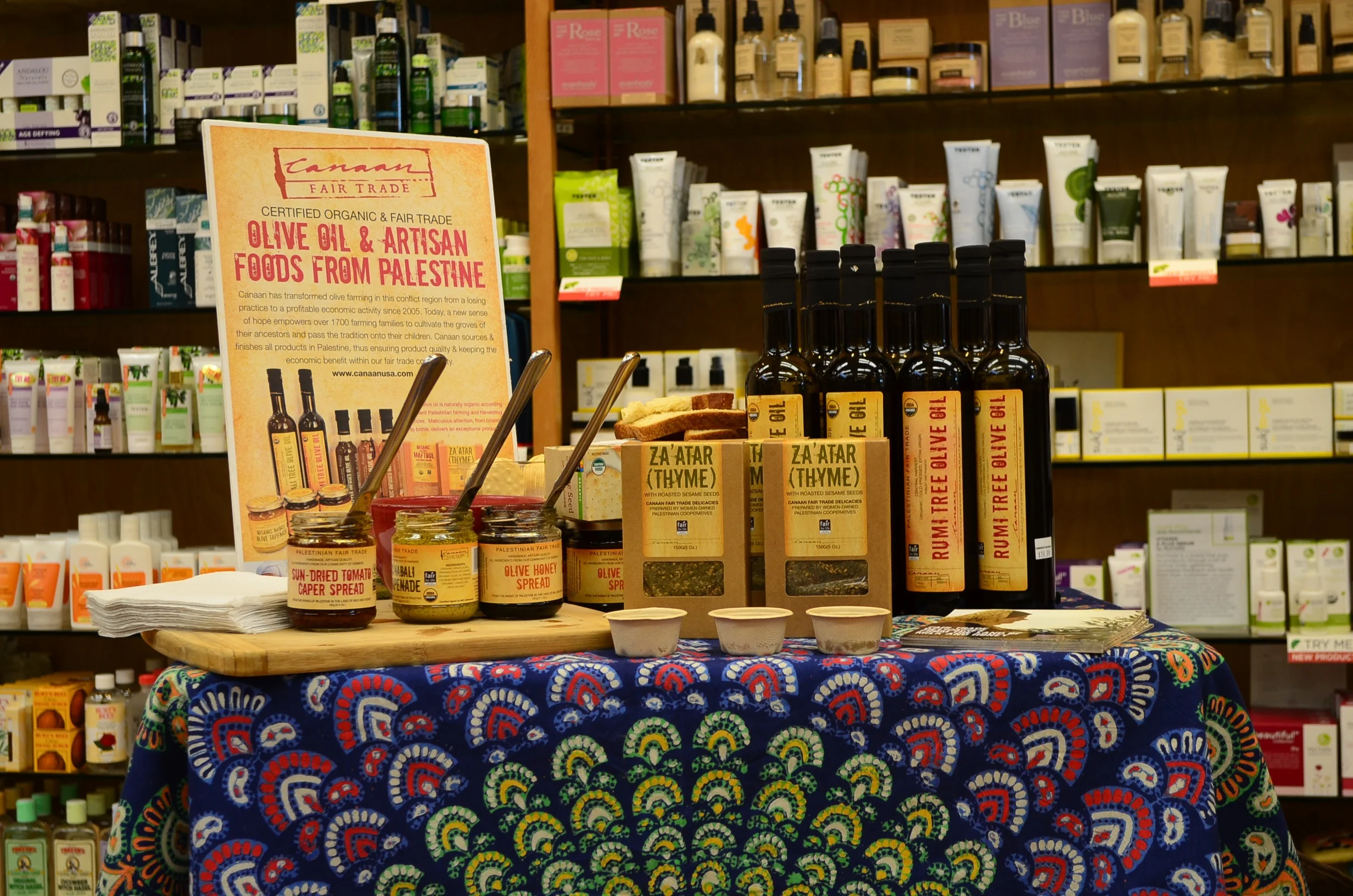
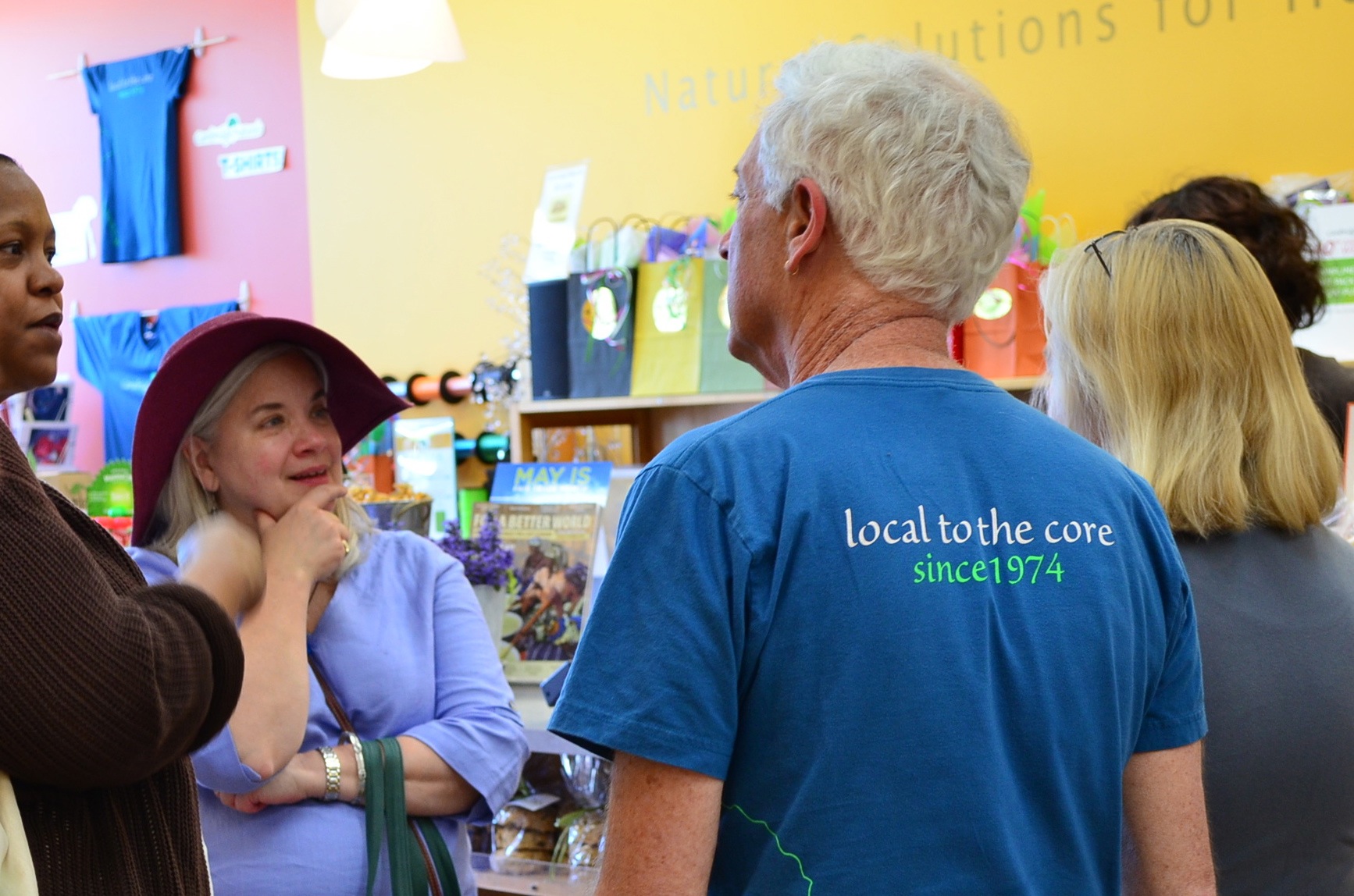
We celebrated our 40th anniversary the weekend of May 16th-18th, and it was a fabulous time! Many of our wonderful vendors came out to sample their products, and local practitioners gave free chair massages. You can read more details about the celebration in our press release.
Scott on our staff took some great photos of the event:






Press Release: Celebrating 40 Years of Locally-Owned Success!
CAMBRIDGE, MA – Cambridge Naturals announces its 40th Anniversary Celebration to take place on the weekend of May 16th-18th.
The celebratory month will kick off in May with daily tastings by local artisanal food producers, 15-minute chair massages by local massage therapists and the customer gift packs with product samples. “We want to commemorate this momentous occasion with our entire community that has supported us for so many decades,” said Elizabeth Stagl, co-owner. “Our staff, our customers and our vendors can all take part in ‘ringing the bell’ with us.”

CAMBRIDGE, MA – Cambridge Naturals announces its 40th Anniversary Celebration to take place on the weekend of May 16th-18th.
Founded in 1974 by local residents Michael Kanter and Elizabeth Stagl, Cambridge Naturals has a mission to provide its community with the best choices in natural health and wellness products. Cambridge Naturals is a certified Sustainable Business Leader and a founding member of Cambridge Local First. The business has also been an early promoter of sustainable business practices and a long-time supporter of many mission-aligned non-profits in Cambridge and Somerville, including Community Cooks. “Cambridge Naturals has been a local business leader and a major contributor to nonprofits for decades,” said Laury Hammel, Executive Director of the Sustainable Business Network of Massachusetts. “Their dedication to impeccable customer service together with their active support for their fellow independent businesses has helped move our community toward a thriving sustainable, local economy.”
The celebratory month will kick off in May with daily tastings by local artisanal food producers, 15-minute chair massages by local massage therapists and the customer gift packs with product samples. “We want to commemorate this momentous occasion with our entire community that has supported us for so many decades,” said Elizabeth Stagl, co-owner. “Our staff, our customers and our vendors can all take part in ‘ringing the bell’ with us.”
Alongside the anniversary celebrations, Michael and Elizabeth are thrilled to announce the introduction of their daughter, Emily Kanter and her fiancé, Caleb Dean, to the Cambridge Naturals team, arriving this summer. The two will transition into ownership of Cambridge Naturals over the next several years.
“We are overjoyed at the opportunity to bring our daughter and future son-in-law into the business and to begin planning the next forty years of local, independent stewardship,” said co-owner Michael Kanter.
###

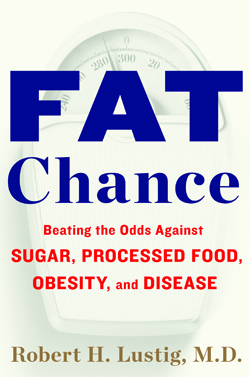
Book Review: Fat Chance: Beating the Odds Against Sugar, Processed Food, Obesity, and Disease
Book By Dr. Robert Lustig
Reviewed by Rosalind Michahelles
In FAT CHANCE Dr. Lustig analyzes sugar (meaning, carbohydrates generally, glucose and fructose) scientifically, psychologically, and sociologically. He explains the subject from different perspectives:
• How we digest, use, and store the sugars in our diet
• Why sugars are addictive and hard to forego
• And what our society does to encourage their consumption
Book By Dr. Robert Lustig
Reviewed by Rosalind Michahelles
In FAT CHANCE Dr. Lustig analyzes sugar (meaning, carbohydrates generally, glucose and fructose) scientifically, psychologically, and sociologically. He explains the subject from different perspectives:
• How we digest, use, and store the sugars in our diet
• Why sugars are addictive and hard to forego
• And what our society does to encourage their consumption
This book is also a call to action because he feels that of all the possible dietary approaches to better national health, reducing sugar is the most “actionable.” We ought to be able to get Coca-Cola out of the schools and high-sugar juices off the lists approved by USDA for the food subsidy programs SNAP and WIC. The science of digestion is necessarily complex so as to equip us for a variety of potential challenges to our survival.
A key to hunger and fat storage is the balance between two independent hormones – insulin and leptin – that share the same ‘signaling cascade’ although they bind to separate receptors. What this means is that when insulin levels are chronically high leptin cannot signal satiety, which is leptin’s job.
With no feeling of satiety, the eater goes on eating. Insulin is usually raised by eating refined, high-glycemic starches and sugar. However, there are also drugs that increase insulin levels, among them steroids, anti-psychotics, and oral hypoglycemic diabetes drugs (p.82).
The kind of sugar called fructose, found in vegetables and fruit, has a somewhat different path from that of glucose. Because it doesn’t enter the bloodstream as quickly, it is less immediately disrupting to diabetics. However, too much spells trouble. The book elucidates the havoc that fructose can wreak.
One result of a liver over-dosed with fructose is insulin resistance, which misguidedly triggers the pancreas to produce more insulin and that leads to more fat accumulation and obesity. When fat accumulates in the liver, it exports triglycerides — and high serum triglycerides have the highest correlation with heart disease according to standard blood tests. Besides obesity and heart disease, the author also tracks the high fructose trail to cancer and dementia.
The book develops Dr. Lustig’s conviction that sugar in all its forms is an addictive and that category includes alcohol, cigarettes, caffeine, and certain drugs. Of seven criteria for establishing addictive status, sugar rings all the bells in the way that, say, salt or fat do not: tolerance (needing more for the same effect), withdrawal, bingeing, attempts to quit, craving, life disruption, and continued use all the same. Are you skeptical about the opiate effect of sugar? Consider Sweet-Ease, “a sugar solution into which hospitals dip pacifiers for newborn boys undergoing circumcision, to reduce the pain of the procedure.”
If you are reading this you may be wondering what diet or approach to menu planning would be best for you. Dr. Lustig makes it clear that reducing sugar and refined starches is important for everyone. Beyond that he says “Your insulin profile is the most important factor in determining what diet approach works best for you.” If your pancreas produces a lot of insulin, then choose a low-glycemic diet. If you are insulin resistant, then choose a low carbohydrate diet. If your insulin resistance is from genetic inheritance, go for the low fat diet.
The book ends with a section on public advocacy. Where is sugar being promoted and how? Where and how can concerned people like you and me intervene? This probably has to start at the grassroots level as, indeed, it has in some towns and cities. Although the public costs of sugar consumption are high, a sugar tax looks unlikely in the U.S. any time soon. But consider the precedents in curbing fast-food calories: New York City requires restaurant menu labels and San Francisco has banned toys in fast-food orders.
This book requires an attentive and motivated reader, despite its folksy tone, because the subject is a complicated and demanding one for a non-scientist. However, reading it repays the effort, as the problems of sugar consumption are very serious for the society as a whole and for certain individuals in particular. If we are not one of those, we surely know and care about someone who is.
Fat Chance is currently available under two titles:
Fat Chance: Beating the Odds Against Sugar, Processed Food, Obesity, and Disease (Hudson Street Press – US version) and Fat Chance: The Bitter Truth about Sugar (Fourth Estate, London, 2013)
………………….
Rosalind Michahelles is a Certified Holistic Health Counselor in Cambridge.
For questions about this essay or related issues please call 617-491-3239 or visit www.nutrition-matters.info.
Health Article: Grape seed Extract (GBE) Emerges as Anti-Cancer Powerhouse Thanks to Pro-Active Supplement Users
Article By Ethan Evers
(NaturalNews) The therapeutic potential of grape seed extract as anti-oxidant, anti-hypertensive and anti-inflammatory is so well established that this natural supplement is now being used in seven on-going clinical trials, only one of which is on cancer (of the breast). But the spotlight may soon shift to grape seed extract’s anti-cancer potential as recent landmark studies on human patients have just uncovered its remarkable protective effects against three major cancers: squamous cell carcinoma, prostate and hematologic malignancies.

Article By Ethan Evers
(NaturalNews) The therapeutic potential of grape seed extract as anti-oxidant, anti-hypertensive and anti-inflammatory is so well established that this natural supplement is now being used in seven on-going clinical trials, only one of which is on cancer (of the breast). But the spotlight may soon shift to grape seed extract’s anti-cancer potential as recent landmark studies on human patients have just uncovered its remarkable protective effects against three major cancers: squamous cell carcinoma, prostate and hematologic malignancies. Even more remarkable is that this breakthrough in the science of natural medicine was not due to the foresight of medical practitioners who designed the trials, but to the patients who took grape seed extract, on their volition, as a nutritional supplement to support general health.
74% Risk Reduction of Skin Cancer (SCC)
A recent study, just published in June 2011, was carried out in northern California on 830 participants to test the effects of general supplement use on the occurrence of squamous cell carcinoma (the second most common skin cancer). The supplements in use included vitamins A, C, D, E, multivitamins and grape seed extract. Only the users of grape seed extract experienced a significant reduction in risk (P = 0.031) of squamous cell carcinoma–by an astounding 74%. Multivitamin users experienced 29% reduced risk, but this was only borderline statistically significant.
62% Risk Reduction of Prostate Cancer
A much larger study conducted in Washington State tracked 35,239 male participants starting in the year 2000 in the Vitamins and Lifestyle (VITAL) cohort. Participants, aged 50-76 years, answered detailed questionnaires about specialty supplement use for the 10 years prior to the start of the study. Prostate cancer risk was assessed after a median follow-up time of 6.1 years. The results showed grape seed extract to be the stand-alone winner. Men, who used an individual grape seed extract supplement with “high average use” over 10 years, experienced a significant 62% risk reduction of prostate cancer compared to non-users, while average users of grape seed extract supplements experienced a 41% risk reduction. None of the other supplements observed in this study (CoQ10, fish oil, garlic pills, ginkgo biloba, ginseng, glucosamine, chondroitin or saw palmetto) were seen to offer protection against prostate cancer. Note, however, that green tea was not one of the supplements considered. This study was published in May 2011.
43% Risk Reduction of Hematologic Cancers
The same VITAL cohort as used for the prostate cancer study was also used to assess risk of hematologic cancers (involving blood, bone marrow or lymph nodes). The population was expanded to include women, for a total of 66,227 participants. Those who had ever used grape seed supplements saw a 43% risk reduction for hematologic cancers. This was only matched by those with a “high use” of garlic, who saw a 47% reduction of risk. No other supplements offered significant protection. This study was published in August 2011.
In addition to the above cancers, grape seed extract has already demonstrated cytotoxicity against breast cancer, colon cancer, glioblastoma, and NSC lung cancer cells in laboratory studies. But the three study results on human populations given above provide a dramatic leap forward for the science backing grape seed extract as an anti-cancer supplement. It is astounding, then, that none of the above studies received much media attention. That will likely require full-blown clinical trials, which will almost certainly be kicked-off as a result of these studies, but will take years to complete. Until then, the latest findings on grape seed extract make a compelling case for its consideration in any program or supplement regimen meant to reduce cancer risk.
Sources:
http://www.clinicaltrials.gov/ct2/results?te…
http://www.sciencedirect.com/science/article…
http://www.ncbi.nlm.nih.gov/pubmed/21598177
http://www.ncbi.nlm.nih.gov/pubmed/21803844
http://www.ncbi.nlm.nih.gov/pmc/articles/PMC…
About the author
Ethan Evers is author of the award-winning medical thriller “The Eden Prescription,” in which natural medicine outperforms a billion-dollar chemo drug and threatens the entire $50 billion cancer drug industry. Ethan based The Eden Prescription on the latest science on natural medicine for cancer, and wrote it to show the future reality that natural medicine can bring us—and to warn of the strategies now being used by those who are trying to stop it. Ethan has a PhD in Applied Science.
For breaking news and research updates on natural medicine for cancer, see Ethan’s Facebook Page: https://www.facebook.com/TheEdenPrescription
Learn more: http://www.naturalnews.com/033754_grape_seed_extract_cancer_prevention.html#ixzz2rpOZrWYD
Book Review: Vitamin K-2 and the Calcium Paradox: How a Little-Known Vitamin Could Save Your Life
By Kate Rheaume-Bleue (Collins, 2012)
Reviewed by Rosalind Michahelles
The paradox in the title refers to the fact that – according to the author’s research — dietary calcium, unaccompanied by vitamin K-2 may well end up in soft tissue like blood vessels rather than in bones and teeth. In other words, it may harden your arteries rather than strengthen your bones and your teeth. Apparently vitamin K-2 plays a crucial stimulating role where two proteins are concerned: one is osteocalcin, which pulls calcium into bones; the other is matrix gla protein (MGP) which pulls calcium out of soft tissue. Vitamin K-2 thus provides a twofold benefit.

By Kate Rheaume-Bleue (Collins, 2012)
Reviewed by Rosalind Michahelles
The paradox in the title refers to the fact that – according to the author’s research — dietary calcium, unaccompanied by vitamin K-2 may well end up in soft tissue like blood vessels rather than in bones and teeth. In other words, it may harden your arteries rather than strengthen your bones and your teeth. Apparently vitamin K-2 plays a crucial stimulating role where two proteins are concerned: one is osteocalcin, which pulls calcium into bones; the other is matrix gla protein (MGP) which pulls calcium out of soft tissue. Vitamin K-2 thus provides a twofold benefit.
What about the more famous vitamin K-1, you may be asking. K-1 – philiquinone – comes from plants like leafy green vegetables and is important in the blood clotting function. That is why patients on blood-thinners like warfarin are advised to avoid kale and spinach and such. Some K-2 will be made in the body from K-1 but by far the more important source is dietary. Good sources of K-2, according to the studies the author refers to, are (a) the fat of grass-fed animals, which means goose liver and some cheeses like Gouda and Brie, among other menu items and (b) natto, a Japanese soybean ferment. Natto is hard for most people to like on the first couple of tries. But those in Japan who eat it seem to have the strongest bones.
Vitamins A and D collaborate with K-2 in ways that allow one to pick up the slack when the other one is short. In this “sparing action” (p.201), sufficient vitamin A means less K-2 is needed. Cooperatively, vitamins A and D operate a “switch mechanism,” whereby a small amount of either guards against toxicity from too much of the other (p.203).
One unfortunate scenario has unfolded from taking generous supplements of calcium and vitamin D without the accompaniment of A and K-2. Vitamin D helps draw calcium from the intestines into the blood stream – but then what? Without the other vitamins it can lodge in arterial plaque, increasing the likelihood of heart problems. The coronary artery calcium test is one way to find out if that’s happening. Another potential problem is that kidney stones may form when excess calcium builds up in urine.
How to test for K-2 deficiency? One possibility is to test for inactivated osteocalcin in the blood. It will be in inverse relation to vitamin K-2, as K-2 is the principal activator of osteocalcin. If you do decide to take a supplement, be sure that all three vitamins are coming in, either through diet or pills. Vitamin K-2 comes in two flavors, so to speak. Menaquinone-4, which in nature comes from animals, is synthetic when in supplements. MK-7, on the other hand, comes from natto. The author, who is Canadian, says that MK-4 is less effective such that a larger and more frequent dose is recommended; MK-7 is thus the gold standard.
If you have problems with bones or teeth or arteriosclerosis or varicose veins or kidney stones, this interesting book is worth reading. One lesson I got from it – once again – is that food is our best medicine but when the food supply strays from nature we should look to supplements, but in moderation. Beef used to provide vitamin K-2 because cows ate grass; now that they eat corn and soy, etc., we may well need vitamin K-2 supplements to ward off osteoporosis, tooth decay, and heart disease.
—–
Rosalind Michahelles is a certified holistic health counselor in Cambridge. For questions about this essay or related issues please call 617-491-3239 or visit www.nutrition-matters.info
Making the case for wetshaving vs. conventional shaving!
his post was written by Zach, customer service specialist and resident shaving expert! He’s been actively working to improve our Men’s section, bringing in the best natural and effective bodycare products out there!
In my previous post on shaving naturally I mentioned ‘wetshaving’ as a method of shaving that has been gaining a following in recent years amongst those looking for a better grooming experience, to lessen their impact on the environment, and to save money in the process. What follows is a brief explanation of some of the tools and methods involved.
his post was written by Zach, customer service specialist and resident shaving expert! He’s been actively working to improve our Men’s section, bringing in the best natural and effective bodycare products out there!
In my previous post on shaving naturally I mentioned ‘wetshaving’ as a method of shaving that has been gaining a following in recent years amongst those looking for a better grooming experience, to lessen their impact on the environment, and to save money in the process. What follows is a brief explanation of some of the tools and methods involved.
Wetshaving refers to a style of shaving that uses some combination of the following tools and products in conjunction with particular techniques discussed below. The tools used are: double edged safety razor or straight razor, shaving brush, traditional shaving cream or soap, shaving oil, styptic, and aftershave. Up until the invention of disposable cartridge razors, wetshaving methods, products, and techniques were the world standard. And although many advocate using wetshaving products like a shaving brush, shaving oil, or a styptic for the best results, simply by altering technique one can improve the quality of the shaving experience.
Wetshaving vs. Conventional Shaving & Wetshaving Basics
In contrast to the ‘quick’ process of shaving with a disposable cartridge razor like the Gillette Mach 3 or Fusion Proglide, wetshaving is a process of deliberate actions that requires more attention but gives a substantially closer shave and with proper technique, less irritation.
When using a safety razor the entire razor is solid with no pivoting head and there is no ‘bumper guard’, meaning that the blade is in direct contact with the skin and that it is up to the user to maintain a proper blade angle and proper razor pressure. This is vital. With disposable cartridge razors the razor head is designed to pivot so that the user doesn’t have to adjust the blades’ angle against the skin and they are designed with a ‘bumper’ so that the user doesn’t need to control the pressure of the razor against the skin. This is helpful in that the user doesn’t have to exert much control over the razor, however this ‘one size fits all’ approach leaves many with unsatisfactory results.
In general, most wetshave enthusiasts recommend a ‘30 degree’ blade angle for a nick-free, friction-free shave. The easiest way to get this angle is to hold the very top of the razor against the skin and to gradually lower the razor until the blade just touches the skin and shaving strokes are comfortable. As far as pressure is concerned, with a safety razor the user need not apply any pressure early on in their wetshaving career as the weight of the razor will be plenty to give a good shave. As you become more comfortable with the safety razor, you can experiment with increased pressure. New users often find that short, even strokes provide the best shave as they become accustomed to using a safety razor.
That being said, this combination of light-to-no pressure and good ‘blade angle’ is a goal and not a rule. Each persons body, tools, and techniques are different and require a period of experimentation and accustomization. For a more detailed tutorial on wetshaving with pictures, see this link or search Google for “wetshaving tutorial.”
Wetshaving Method/Procedures
This is not written in stone, it is just what I have personally found works best for me. Many wetshave enthusiasts advocate a similar procedure, but be open to trying different things and find what works best for you. This is an adapted form of the ‘method shaving’ technique which features three passes of the razor (with the grain, perpendicular to the grain, and against the grain.) One of the phrases commonly used by wetshave enthusiasts to describe the process is: ‘Wetshaving is a process of hair reduction, not removal.’
Prep
Using a shaving brush and shaving cream/soap, work up a good lather in a bowl. The lather should be thick but not ‘dry’, meaning that it should be almost the consistency of conventional shaving cream and should be plenty slick when dabbed on the back of the hand. This is where the shaving brush can make a huge difference: the many bristles in a shaving brush create a lather that is thicker and denser than almost any conventional shaving cream or gel can provide.
How to create lather with shaving brush and shaving cream/soap:
Run shaving brush under water and saturate well. Shake out excess once or twice leaving the brush still fairly wet.
If using shaving cream or gel, apply a nickel-to-quarter sized dollop in a bowl and using your shaving brush, ‘whip’ in circles until desired lather is reached.
If using shaving soap, rub bristle tips of brush against shaving soap until it is starting to work up a slight lather on its own and then ‘whip’ the brush in a bowl until desired lather is reached.
Wetshaving Procedure:
First Pass (with the grain)
- Splash cold water on face
- Apply shaving oil (nickel sized amount)
- Splash cold water on Face
- Apply shaving cream/soap with shaving brush or hands
- Rinse face with cold water
- Pat dry (don’t rub!)
Second Pass (perpendicular to the grain)
- Splash water on face
- Apply shaving oil (nickel sized amount)
- Splash water on Face
- Apply shaving cream/soap with shaving brush or hands
- Rinse face with water
- Pat dry (don’t rub!)
Third Pass (against the grain, skip if skin is too sensitive)
- Splash cold water on face
- Apply shaving oil(nickel sized amount)
- Splash cold water on face
- Apply shaving cream/soap with shaving brush or hands
- Rinse face with cold water
- Pat dry (don’t rub!)
- Post Shave Care
- Splash cold water on face
- Evenly apply styptic (witch hazel or alum)
- Clean shaving tools (razor, brush, and bowl)
- Rinse face with cold water
- Pat dry (don’t rub!)
- Apply aftershave balm or tonic
Cambridge Naturals is proud to offer a selection of wetshaving products including Merkur safety razors, Vie-Long natural and ethical horse hair shaving brushes, as well as local, artisanal, and imported shaving oils, creams, soaps and aftershaves. Please call the store at (617) 492-4452 for specific product inquires.