

Book Review: Missing Microbes
By Martin J. Blaser, MD
Reviewed by Rosalind Michahelles
The author of MISSING MICROBES, Martin Blaser, is near the top of the tree in the U.S. medical establishment. He is someone to listen to. Not only is he the head of the Human Microbiome Program – the study of our body’s bacteria – but he has also been the head of the NYU Medical School and the Infectious Diseases Society of America. He is not by any means the first to warn against the overuse of antibiotics, which has led inexorably to both antibiotic resistance – they don’t work as well – and possibly to other problems, like obesity, esophageal cancer, asthma, juvenile diabetes, and celiac disease.

By Martin J. Blaser, MD
Reviewed by Rosalind Michahelles
The author of MISSING MICROBES, Martin Blaser, is near the top of the tree in the U.S. medical establishment. He is someone to listen to. Not only is he the head of the Human Microbiome Program – the study of our body’s bacteria – but he has also been the head of the NYU Medical School and the Infectious Diseases Society of America. He is not by any means the first to warn against the overuse of antibiotics, which has led inexorably to both antibiotic resistance – they don’t work as well – and possibly to other problems, like obesity, esophageal cancer, asthma, juvenile diabetes, and celiac disease.
All reasons to pay attention!
Dr. Blaser calls our attention to what happens when we are profligate with antibiotics, as we have been for the last half-century. “Increased susceptibility to new infections is one of the hidden costs of antibiotic use.” Why might that be? In part because we depend on our bacteria and his research shows that we have lost 15%-40% of our microbial diversity and the attendant genes. “Their 20 million genes help us resist disease.”
He stresses that it is the diversity rather than the quantity that’s at issue here. We need the diversity to be able to handle new and unfamiliar infections.
How do antibiotics do their job? And how do bacteria develop resistance such that they can withstand antibiotics? There are generally three ways that antibiotics inactivate a bacterium: interfering with the integrity of the cell’s wall; interfering with the cell’s protein synthesis; interfering with its reproductive capacity. Some illnesses are therefore treated with more than one kind of antibiotic in order to be effective.
Antibacterial resistance is the natural product of evolutionary selection. Some bacteria lucky enough to withstand, say, penicillin, because of a mutation will prosper and be around the next time penicillin is introduced. That form of resistance is called “vertical.” What’s less obvious is the remarkable “horizontal” transmission when bacteria – even across species – gain or swap genes. Scientists have nick-named this “bacterial sex.”
Time was when we thought microbes were dirty and dangerous, as indeed some are. However, the microbes that make up the human microbiome are not only our best friends they are also us. Dr. Blaser tells us that 70%-90% of the cells in our body are not human, they are bacteria providing “essential services.” One example is how we outsource the production of vitamin K-1 that is necessary for blood clotting. We count on our bacteria to do that job for us when we share the leafy greens we eat with them. Furthermore, our internal microbes contribute to our immune function via their own antibiotics – which they possess in order to poison their competitors.
For these and other reasons, the use of antibiotics has been a mixed blessing. Lives have been saved; but now we find the unexpected costs because – as Dr. Blaser supposes – the reduced bio-diversity within makes us more susceptible to some increasingly common ailments. The rise in esophageal cancer is a curious case as it is in inverse relation to the amount of the bacterium helicobacter-pylori in our stomachs. There is a positive correlation, however, with h-pylori and stomach cancer. If, as the author posits, antibiotic use generally has reduced the h-pylori population in our stomachs, that could account for the drop in stomach cancers and the increase in esophageal cancers. So far, this piece of research like many of the others, reflects correlation, not cause.
Obesity is another increase Dr. Blaser dwells on. The long-term administration of sub-therapeutic levels of antibiotics to farm animals in order to spur growth and fattening has meant that people consuming meat, farmed fish, eggs, and milk in this country have also been consuming those antibiotics. If they fatten young pigs and cows and chickens and fish, won’t they fatten our children, too?
Were animal feed deprived of antibiotics, as has been the case in Europe since 1991, meat prices would go up – but then wouldn’t medical costs go down? Not a bad trade-off, surely. If routine administration of antibiotics in animal husbandry increases not only antibiotic resistance but also maybe even the epidemic of obesity, can we not summon the will to make a change? That is where Dr. Blaser leaves us at the end of this readable, compelling book. Here are the solutions to start with:
- Stop using hand sanitizers; instead use soap and water;
- Reduce the unnecessary “just-in-case” prescriptions for antibiotics;
- Develop quicker diagnostic tests to pinpoint the illness (e.g., bacterial or viral?);
- Avoid broad-spectrum antibiotics which go to all parts of the body;
- Develop narrow-spectrum antibiotics that target the specific problem;
- Prevent agricultural use of antibiotics except for veterinary-assisted illnesses;
- Avoid Caesarian births wherever possible, as they deprive the newborn of the maternal bacteria in the birth canal.
- I would add, read my essay “Antibiotic Resistance – and What to Do About It?"
Rosalind Michahelles is a Certified Holistic Health Counselor in Cambridge. For questions about this essay or related issues please call 617-491-3239 or visit www.nutrition-matters.info
Photos from our anniversary celebration
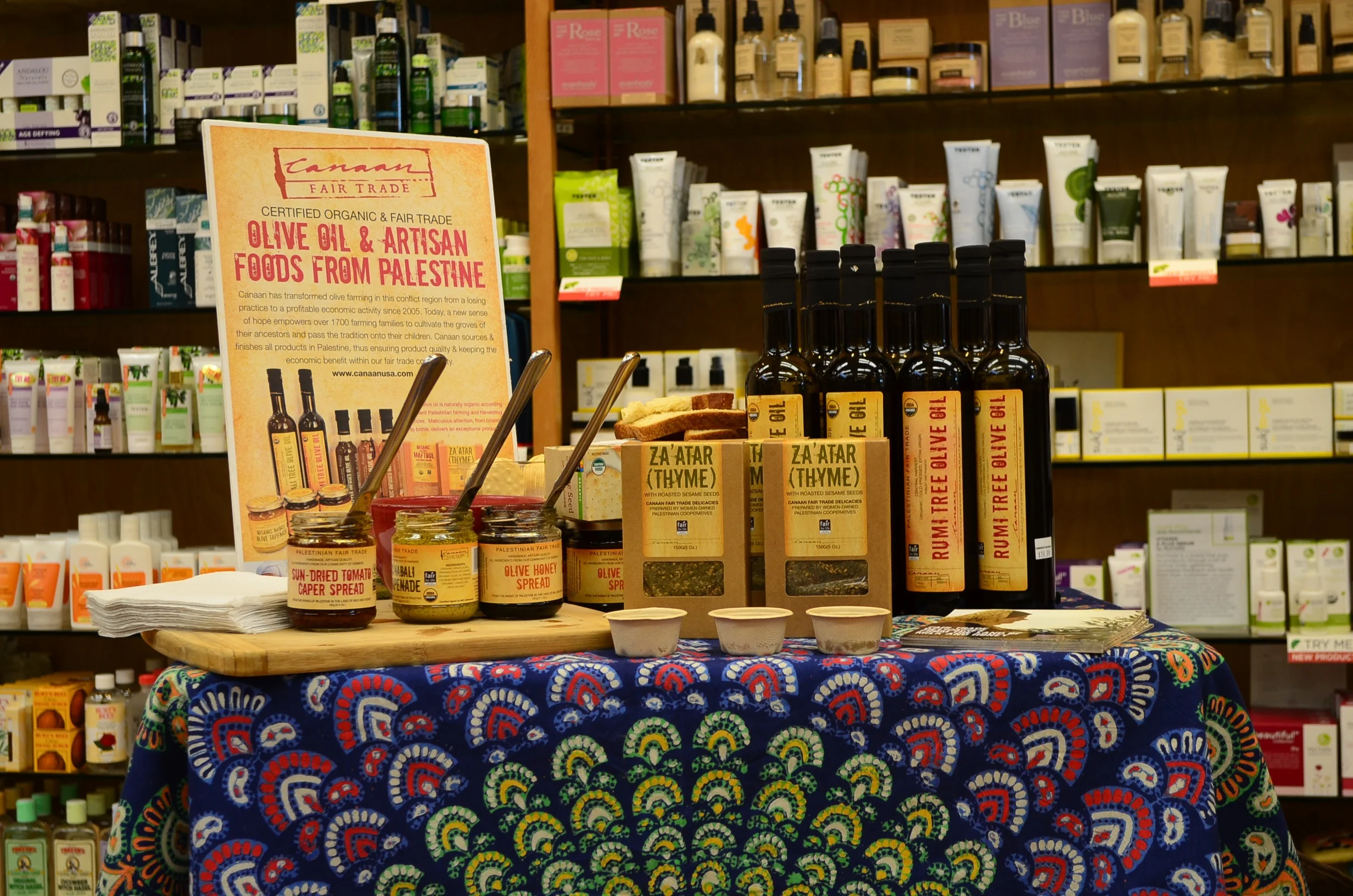
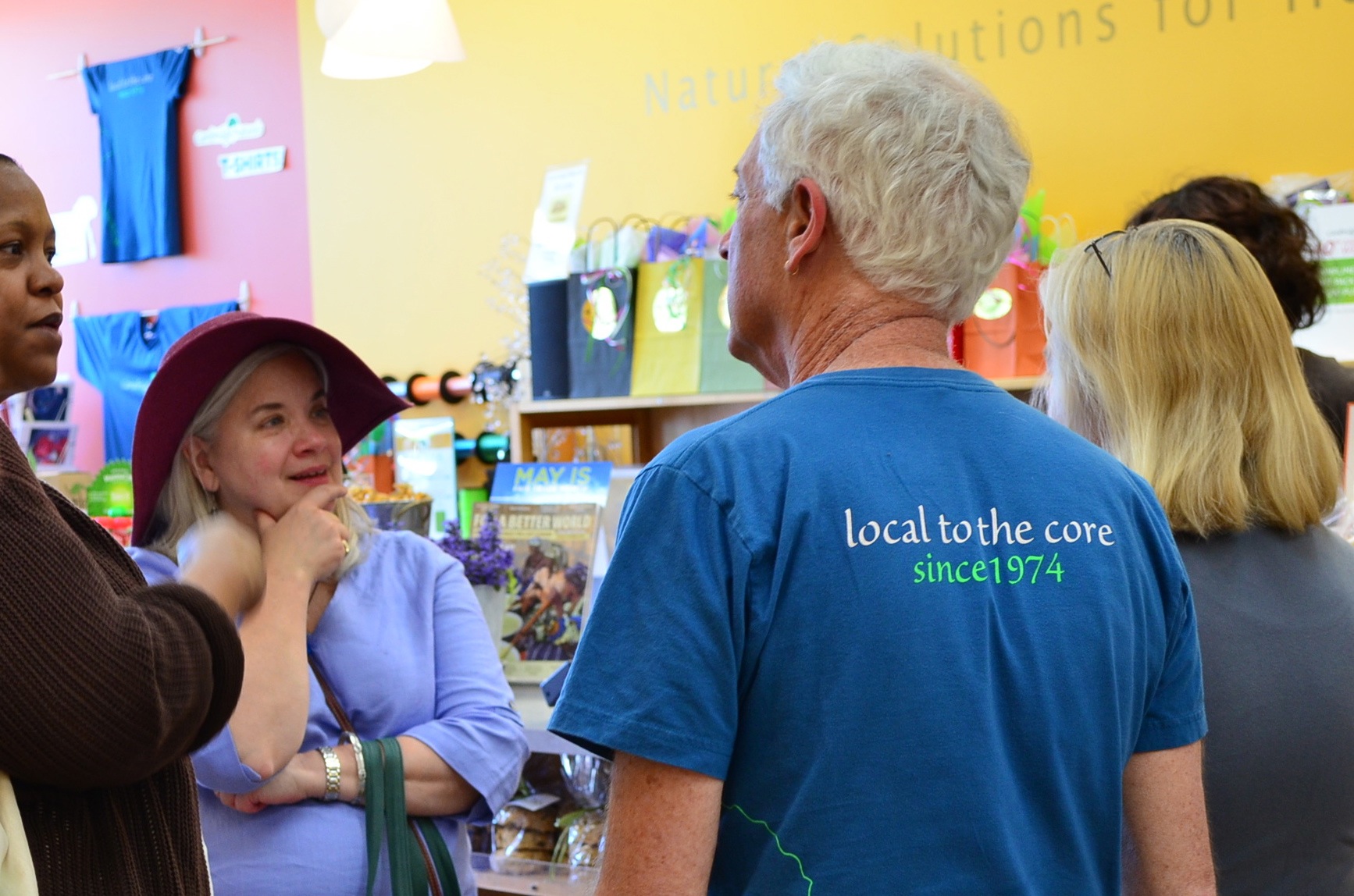
We celebrated our 40th anniversary the weekend of May 16th-18th, and it was a fabulous time! Many of our wonderful vendors came out to sample their products, and local practitioners gave free chair massages. You can read more details about the celebration in our press release.
Scott on our staff took some great photos of the event:






Press Release: Celebrating 40 Years of Locally-Owned Success!
CAMBRIDGE, MA – Cambridge Naturals announces its 40th Anniversary Celebration to take place on the weekend of May 16th-18th.
The celebratory month will kick off in May with daily tastings by local artisanal food producers, 15-minute chair massages by local massage therapists and the customer gift packs with product samples. “We want to commemorate this momentous occasion with our entire community that has supported us for so many decades,” said Elizabeth Stagl, co-owner. “Our staff, our customers and our vendors can all take part in ‘ringing the bell’ with us.”

CAMBRIDGE, MA – Cambridge Naturals announces its 40th Anniversary Celebration to take place on the weekend of May 16th-18th.
Founded in 1974 by local residents Michael Kanter and Elizabeth Stagl, Cambridge Naturals has a mission to provide its community with the best choices in natural health and wellness products. Cambridge Naturals is a certified Sustainable Business Leader and a founding member of Cambridge Local First. The business has also been an early promoter of sustainable business practices and a long-time supporter of many mission-aligned non-profits in Cambridge and Somerville, including Community Cooks. “Cambridge Naturals has been a local business leader and a major contributor to nonprofits for decades,” said Laury Hammel, Executive Director of the Sustainable Business Network of Massachusetts. “Their dedication to impeccable customer service together with their active support for their fellow independent businesses has helped move our community toward a thriving sustainable, local economy.”
The celebratory month will kick off in May with daily tastings by local artisanal food producers, 15-minute chair massages by local massage therapists and the customer gift packs with product samples. “We want to commemorate this momentous occasion with our entire community that has supported us for so many decades,” said Elizabeth Stagl, co-owner. “Our staff, our customers and our vendors can all take part in ‘ringing the bell’ with us.”
Alongside the anniversary celebrations, Michael and Elizabeth are thrilled to announce the introduction of their daughter, Emily Kanter and her fiancé, Caleb Dean, to the Cambridge Naturals team, arriving this summer. The two will transition into ownership of Cambridge Naturals over the next several years.
“We are overjoyed at the opportunity to bring our daughter and future son-in-law into the business and to begin planning the next forty years of local, independent stewardship,” said co-owner Michael Kanter.
###

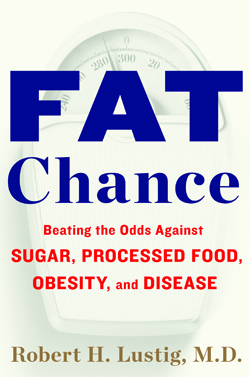
Book Review: Fat Chance: Beating the Odds Against Sugar, Processed Food, Obesity, and Disease
Book By Dr. Robert Lustig
Reviewed by Rosalind Michahelles
In FAT CHANCE Dr. Lustig analyzes sugar (meaning, carbohydrates generally, glucose and fructose) scientifically, psychologically, and sociologically. He explains the subject from different perspectives:
• How we digest, use, and store the sugars in our diet
• Why sugars are addictive and hard to forego
• And what our society does to encourage their consumption
Book By Dr. Robert Lustig
Reviewed by Rosalind Michahelles
In FAT CHANCE Dr. Lustig analyzes sugar (meaning, carbohydrates generally, glucose and fructose) scientifically, psychologically, and sociologically. He explains the subject from different perspectives:
• How we digest, use, and store the sugars in our diet
• Why sugars are addictive and hard to forego
• And what our society does to encourage their consumption
This book is also a call to action because he feels that of all the possible dietary approaches to better national health, reducing sugar is the most “actionable.” We ought to be able to get Coca-Cola out of the schools and high-sugar juices off the lists approved by USDA for the food subsidy programs SNAP and WIC. The science of digestion is necessarily complex so as to equip us for a variety of potential challenges to our survival.
A key to hunger and fat storage is the balance between two independent hormones – insulin and leptin – that share the same ‘signaling cascade’ although they bind to separate receptors. What this means is that when insulin levels are chronically high leptin cannot signal satiety, which is leptin’s job.
With no feeling of satiety, the eater goes on eating. Insulin is usually raised by eating refined, high-glycemic starches and sugar. However, there are also drugs that increase insulin levels, among them steroids, anti-psychotics, and oral hypoglycemic diabetes drugs (p.82).
The kind of sugar called fructose, found in vegetables and fruit, has a somewhat different path from that of glucose. Because it doesn’t enter the bloodstream as quickly, it is less immediately disrupting to diabetics. However, too much spells trouble. The book elucidates the havoc that fructose can wreak.
One result of a liver over-dosed with fructose is insulin resistance, which misguidedly triggers the pancreas to produce more insulin and that leads to more fat accumulation and obesity. When fat accumulates in the liver, it exports triglycerides — and high serum triglycerides have the highest correlation with heart disease according to standard blood tests. Besides obesity and heart disease, the author also tracks the high fructose trail to cancer and dementia.
The book develops Dr. Lustig’s conviction that sugar in all its forms is an addictive and that category includes alcohol, cigarettes, caffeine, and certain drugs. Of seven criteria for establishing addictive status, sugar rings all the bells in the way that, say, salt or fat do not: tolerance (needing more for the same effect), withdrawal, bingeing, attempts to quit, craving, life disruption, and continued use all the same. Are you skeptical about the opiate effect of sugar? Consider Sweet-Ease, “a sugar solution into which hospitals dip pacifiers for newborn boys undergoing circumcision, to reduce the pain of the procedure.”
If you are reading this you may be wondering what diet or approach to menu planning would be best for you. Dr. Lustig makes it clear that reducing sugar and refined starches is important for everyone. Beyond that he says “Your insulin profile is the most important factor in determining what diet approach works best for you.” If your pancreas produces a lot of insulin, then choose a low-glycemic diet. If you are insulin resistant, then choose a low carbohydrate diet. If your insulin resistance is from genetic inheritance, go for the low fat diet.
The book ends with a section on public advocacy. Where is sugar being promoted and how? Where and how can concerned people like you and me intervene? This probably has to start at the grassroots level as, indeed, it has in some towns and cities. Although the public costs of sugar consumption are high, a sugar tax looks unlikely in the U.S. any time soon. But consider the precedents in curbing fast-food calories: New York City requires restaurant menu labels and San Francisco has banned toys in fast-food orders.
This book requires an attentive and motivated reader, despite its folksy tone, because the subject is a complicated and demanding one for a non-scientist. However, reading it repays the effort, as the problems of sugar consumption are very serious for the society as a whole and for certain individuals in particular. If we are not one of those, we surely know and care about someone who is.
Fat Chance is currently available under two titles:
Fat Chance: Beating the Odds Against Sugar, Processed Food, Obesity, and Disease (Hudson Street Press – US version) and Fat Chance: The Bitter Truth about Sugar (Fourth Estate, London, 2013)
………………….
Rosalind Michahelles is a Certified Holistic Health Counselor in Cambridge.
For questions about this essay or related issues please call 617-491-3239 or visit www.nutrition-matters.info.
Health Article: Grape seed Extract (GBE) Emerges as Anti-Cancer Powerhouse Thanks to Pro-Active Supplement Users
Article By Ethan Evers
(NaturalNews) The therapeutic potential of grape seed extract as anti-oxidant, anti-hypertensive and anti-inflammatory is so well established that this natural supplement is now being used in seven on-going clinical trials, only one of which is on cancer (of the breast). But the spotlight may soon shift to grape seed extract’s anti-cancer potential as recent landmark studies on human patients have just uncovered its remarkable protective effects against three major cancers: squamous cell carcinoma, prostate and hematologic malignancies.

Article By Ethan Evers
(NaturalNews) The therapeutic potential of grape seed extract as anti-oxidant, anti-hypertensive and anti-inflammatory is so well established that this natural supplement is now being used in seven on-going clinical trials, only one of which is on cancer (of the breast). But the spotlight may soon shift to grape seed extract’s anti-cancer potential as recent landmark studies on human patients have just uncovered its remarkable protective effects against three major cancers: squamous cell carcinoma, prostate and hematologic malignancies. Even more remarkable is that this breakthrough in the science of natural medicine was not due to the foresight of medical practitioners who designed the trials, but to the patients who took grape seed extract, on their volition, as a nutritional supplement to support general health.
74% Risk Reduction of Skin Cancer (SCC)
A recent study, just published in June 2011, was carried out in northern California on 830 participants to test the effects of general supplement use on the occurrence of squamous cell carcinoma (the second most common skin cancer). The supplements in use included vitamins A, C, D, E, multivitamins and grape seed extract. Only the users of grape seed extract experienced a significant reduction in risk (P = 0.031) of squamous cell carcinoma–by an astounding 74%. Multivitamin users experienced 29% reduced risk, but this was only borderline statistically significant.
62% Risk Reduction of Prostate Cancer
A much larger study conducted in Washington State tracked 35,239 male participants starting in the year 2000 in the Vitamins and Lifestyle (VITAL) cohort. Participants, aged 50-76 years, answered detailed questionnaires about specialty supplement use for the 10 years prior to the start of the study. Prostate cancer risk was assessed after a median follow-up time of 6.1 years. The results showed grape seed extract to be the stand-alone winner. Men, who used an individual grape seed extract supplement with “high average use” over 10 years, experienced a significant 62% risk reduction of prostate cancer compared to non-users, while average users of grape seed extract supplements experienced a 41% risk reduction. None of the other supplements observed in this study (CoQ10, fish oil, garlic pills, ginkgo biloba, ginseng, glucosamine, chondroitin or saw palmetto) were seen to offer protection against prostate cancer. Note, however, that green tea was not one of the supplements considered. This study was published in May 2011.
43% Risk Reduction of Hematologic Cancers
The same VITAL cohort as used for the prostate cancer study was also used to assess risk of hematologic cancers (involving blood, bone marrow or lymph nodes). The population was expanded to include women, for a total of 66,227 participants. Those who had ever used grape seed supplements saw a 43% risk reduction for hematologic cancers. This was only matched by those with a “high use” of garlic, who saw a 47% reduction of risk. No other supplements offered significant protection. This study was published in August 2011.
In addition to the above cancers, grape seed extract has already demonstrated cytotoxicity against breast cancer, colon cancer, glioblastoma, and NSC lung cancer cells in laboratory studies. But the three study results on human populations given above provide a dramatic leap forward for the science backing grape seed extract as an anti-cancer supplement. It is astounding, then, that none of the above studies received much media attention. That will likely require full-blown clinical trials, which will almost certainly be kicked-off as a result of these studies, but will take years to complete. Until then, the latest findings on grape seed extract make a compelling case for its consideration in any program or supplement regimen meant to reduce cancer risk.
Sources:
http://www.clinicaltrials.gov/ct2/results?te…
http://www.sciencedirect.com/science/article…
http://www.ncbi.nlm.nih.gov/pubmed/21598177
http://www.ncbi.nlm.nih.gov/pubmed/21803844
http://www.ncbi.nlm.nih.gov/pmc/articles/PMC…
About the author
Ethan Evers is author of the award-winning medical thriller “The Eden Prescription,” in which natural medicine outperforms a billion-dollar chemo drug and threatens the entire $50 billion cancer drug industry. Ethan based The Eden Prescription on the latest science on natural medicine for cancer, and wrote it to show the future reality that natural medicine can bring us—and to warn of the strategies now being used by those who are trying to stop it. Ethan has a PhD in Applied Science.
For breaking news and research updates on natural medicine for cancer, see Ethan’s Facebook Page: https://www.facebook.com/TheEdenPrescription
Learn more: http://www.naturalnews.com/033754_grape_seed_extract_cancer_prevention.html#ixzz2rpOZrWYD
Book Review: Vitamin K-2 and the Calcium Paradox: How a Little-Known Vitamin Could Save Your Life
By Kate Rheaume-Bleue (Collins, 2012)
Reviewed by Rosalind Michahelles
The paradox in the title refers to the fact that – according to the author’s research — dietary calcium, unaccompanied by vitamin K-2 may well end up in soft tissue like blood vessels rather than in bones and teeth. In other words, it may harden your arteries rather than strengthen your bones and your teeth. Apparently vitamin K-2 plays a crucial stimulating role where two proteins are concerned: one is osteocalcin, which pulls calcium into bones; the other is matrix gla protein (MGP) which pulls calcium out of soft tissue. Vitamin K-2 thus provides a twofold benefit.

By Kate Rheaume-Bleue (Collins, 2012)
Reviewed by Rosalind Michahelles
The paradox in the title refers to the fact that – according to the author’s research — dietary calcium, unaccompanied by vitamin K-2 may well end up in soft tissue like blood vessels rather than in bones and teeth. In other words, it may harden your arteries rather than strengthen your bones and your teeth. Apparently vitamin K-2 plays a crucial stimulating role where two proteins are concerned: one is osteocalcin, which pulls calcium into bones; the other is matrix gla protein (MGP) which pulls calcium out of soft tissue. Vitamin K-2 thus provides a twofold benefit.
What about the more famous vitamin K-1, you may be asking. K-1 – philiquinone – comes from plants like leafy green vegetables and is important in the blood clotting function. That is why patients on blood-thinners like warfarin are advised to avoid kale and spinach and such. Some K-2 will be made in the body from K-1 but by far the more important source is dietary. Good sources of K-2, according to the studies the author refers to, are (a) the fat of grass-fed animals, which means goose liver and some cheeses like Gouda and Brie, among other menu items and (b) natto, a Japanese soybean ferment. Natto is hard for most people to like on the first couple of tries. But those in Japan who eat it seem to have the strongest bones.
Vitamins A and D collaborate with K-2 in ways that allow one to pick up the slack when the other one is short. In this “sparing action” (p.201), sufficient vitamin A means less K-2 is needed. Cooperatively, vitamins A and D operate a “switch mechanism,” whereby a small amount of either guards against toxicity from too much of the other (p.203).
One unfortunate scenario has unfolded from taking generous supplements of calcium and vitamin D without the accompaniment of A and K-2. Vitamin D helps draw calcium from the intestines into the blood stream – but then what? Without the other vitamins it can lodge in arterial plaque, increasing the likelihood of heart problems. The coronary artery calcium test is one way to find out if that’s happening. Another potential problem is that kidney stones may form when excess calcium builds up in urine.
How to test for K-2 deficiency? One possibility is to test for inactivated osteocalcin in the blood. It will be in inverse relation to vitamin K-2, as K-2 is the principal activator of osteocalcin. If you do decide to take a supplement, be sure that all three vitamins are coming in, either through diet or pills. Vitamin K-2 comes in two flavors, so to speak. Menaquinone-4, which in nature comes from animals, is synthetic when in supplements. MK-7, on the other hand, comes from natto. The author, who is Canadian, says that MK-4 is less effective such that a larger and more frequent dose is recommended; MK-7 is thus the gold standard.
If you have problems with bones or teeth or arteriosclerosis or varicose veins or kidney stones, this interesting book is worth reading. One lesson I got from it – once again – is that food is our best medicine but when the food supply strays from nature we should look to supplements, but in moderation. Beef used to provide vitamin K-2 because cows ate grass; now that they eat corn and soy, etc., we may well need vitamin K-2 supplements to ward off osteoporosis, tooth decay, and heart disease.
—–
Rosalind Michahelles is a certified holistic health counselor in Cambridge. For questions about this essay or related issues please call 617-491-3239 or visit www.nutrition-matters.info
Making the case for wetshaving vs. conventional shaving!
his post was written by Zach, customer service specialist and resident shaving expert! He’s been actively working to improve our Men’s section, bringing in the best natural and effective bodycare products out there!
In my previous post on shaving naturally I mentioned ‘wetshaving’ as a method of shaving that has been gaining a following in recent years amongst those looking for a better grooming experience, to lessen their impact on the environment, and to save money in the process. What follows is a brief explanation of some of the tools and methods involved.
his post was written by Zach, customer service specialist and resident shaving expert! He’s been actively working to improve our Men’s section, bringing in the best natural and effective bodycare products out there!
In my previous post on shaving naturally I mentioned ‘wetshaving’ as a method of shaving that has been gaining a following in recent years amongst those looking for a better grooming experience, to lessen their impact on the environment, and to save money in the process. What follows is a brief explanation of some of the tools and methods involved.
Wetshaving refers to a style of shaving that uses some combination of the following tools and products in conjunction with particular techniques discussed below. The tools used are: double edged safety razor or straight razor, shaving brush, traditional shaving cream or soap, shaving oil, styptic, and aftershave. Up until the invention of disposable cartridge razors, wetshaving methods, products, and techniques were the world standard. And although many advocate using wetshaving products like a shaving brush, shaving oil, or a styptic for the best results, simply by altering technique one can improve the quality of the shaving experience.
Wetshaving vs. Conventional Shaving & Wetshaving Basics
In contrast to the ‘quick’ process of shaving with a disposable cartridge razor like the Gillette Mach 3 or Fusion Proglide, wetshaving is a process of deliberate actions that requires more attention but gives a substantially closer shave and with proper technique, less irritation.
When using a safety razor the entire razor is solid with no pivoting head and there is no ‘bumper guard’, meaning that the blade is in direct contact with the skin and that it is up to the user to maintain a proper blade angle and proper razor pressure. This is vital. With disposable cartridge razors the razor head is designed to pivot so that the user doesn’t have to adjust the blades’ angle against the skin and they are designed with a ‘bumper’ so that the user doesn’t need to control the pressure of the razor against the skin. This is helpful in that the user doesn’t have to exert much control over the razor, however this ‘one size fits all’ approach leaves many with unsatisfactory results.
In general, most wetshave enthusiasts recommend a ‘30 degree’ blade angle for a nick-free, friction-free shave. The easiest way to get this angle is to hold the very top of the razor against the skin and to gradually lower the razor until the blade just touches the skin and shaving strokes are comfortable. As far as pressure is concerned, with a safety razor the user need not apply any pressure early on in their wetshaving career as the weight of the razor will be plenty to give a good shave. As you become more comfortable with the safety razor, you can experiment with increased pressure. New users often find that short, even strokes provide the best shave as they become accustomed to using a safety razor.
That being said, this combination of light-to-no pressure and good ‘blade angle’ is a goal and not a rule. Each persons body, tools, and techniques are different and require a period of experimentation and accustomization. For a more detailed tutorial on wetshaving with pictures, see this link or search Google for “wetshaving tutorial.”
Wetshaving Method/Procedures
This is not written in stone, it is just what I have personally found works best for me. Many wetshave enthusiasts advocate a similar procedure, but be open to trying different things and find what works best for you. This is an adapted form of the ‘method shaving’ technique which features three passes of the razor (with the grain, perpendicular to the grain, and against the grain.) One of the phrases commonly used by wetshave enthusiasts to describe the process is: ‘Wetshaving is a process of hair reduction, not removal.’
Prep
Using a shaving brush and shaving cream/soap, work up a good lather in a bowl. The lather should be thick but not ‘dry’, meaning that it should be almost the consistency of conventional shaving cream and should be plenty slick when dabbed on the back of the hand. This is where the shaving brush can make a huge difference: the many bristles in a shaving brush create a lather that is thicker and denser than almost any conventional shaving cream or gel can provide.
How to create lather with shaving brush and shaving cream/soap:
Run shaving brush under water and saturate well. Shake out excess once or twice leaving the brush still fairly wet.
If using shaving cream or gel, apply a nickel-to-quarter sized dollop in a bowl and using your shaving brush, ‘whip’ in circles until desired lather is reached.
If using shaving soap, rub bristle tips of brush against shaving soap until it is starting to work up a slight lather on its own and then ‘whip’ the brush in a bowl until desired lather is reached.
Wetshaving Procedure:
First Pass (with the grain)
- Splash cold water on face
- Apply shaving oil (nickel sized amount)
- Splash cold water on Face
- Apply shaving cream/soap with shaving brush or hands
- Rinse face with cold water
- Pat dry (don’t rub!)
Second Pass (perpendicular to the grain)
- Splash water on face
- Apply shaving oil (nickel sized amount)
- Splash water on Face
- Apply shaving cream/soap with shaving brush or hands
- Rinse face with water
- Pat dry (don’t rub!)
Third Pass (against the grain, skip if skin is too sensitive)
- Splash cold water on face
- Apply shaving oil(nickel sized amount)
- Splash cold water on face
- Apply shaving cream/soap with shaving brush or hands
- Rinse face with cold water
- Pat dry (don’t rub!)
- Post Shave Care
- Splash cold water on face
- Evenly apply styptic (witch hazel or alum)
- Clean shaving tools (razor, brush, and bowl)
- Rinse face with cold water
- Pat dry (don’t rub!)
- Apply aftershave balm or tonic
Cambridge Naturals is proud to offer a selection of wetshaving products including Merkur safety razors, Vie-Long natural and ethical horse hair shaving brushes, as well as local, artisanal, and imported shaving oils, creams, soaps and aftershaves. Please call the store at (617) 492-4452 for specific product inquires.
Glazed Red Pepper-Fennel Almonds
This delicious recipe was passed along to us by Louise Rasmussen, the incredible cook at Wallowa Llamas in Eastern Oregon. Not only are these almonds incredibly addictive, but they provide a great, healthy energy boost whether you’re hiking the rocky slopes of Eastern Oregon or trekking through the snow to catch the T. We carry most of these ingredients at the store. If you’re avoiding sugar, you can substitute any great, local raw honey or maple sugar.
This delicious recipe was passed along to us by Louise Rasmussen, the incredible cook at Wallowa Llamas in Eastern Oregon. Not only are these almonds incredibly addictive, but they provide a great, healthy energy boost whether you’re hiking the rocky slopes of Eastern Oregon or trekking through the snow to catch the T. We carry most of these ingredients at the store. If you’re avoiding sugar, you can substitute any great, local raw honey or maple sugar.
Ingredients:
1/4 c. sugar (or maple sugar, honey)
2-1/2 T fennel seed
4-t-red pepper flakes
4-t salt
4-c whole raw almonds
1/4 c. hot water
Instructions:
Preheat oven to 325
Line a baking sheet with foil and spray with oil
Combine all ingredients except almonds and stir to dissolve and blend
Add almonds and coat them
Spread in one layer on cooking sheet
bake for 22 minutes stirring 2 or 3 times.
Cool for about 10 minutes then remove from foil
Store in an air tight container and enjoy!
Antibiotic Resistance – and What to Do About It?
How do bacteria manage to overcome antibiotics? And, will herbs rather than pharmaceuticals ultimately help us more?
By Rosalind Michahelles
Penicillin famously killed off some staphylococcus aureus in a petri dish in the lab of Alexander Fleming in the late ‘20’s and by the time we entered WWII, it was available for treating our war wounded. Civilians soon followed and I happened to be an early beneficiary in May of 1947, hospitalized for earache as an infant. The first semi-synthetic antibiotic, methicillin, appeared in 1960. It took only four years for the first resistant bacteria to be identified: methicillin resistant staphylococcus aureas, or MRSA. MRSA and other antibiotic resistant bacteria, like clostridium difficile, have become a scourge not just in hospitals but also occasionally in the population at large.

How do bacteria manage to overcome antibiotics? And, will herbs rather than pharmaceuticals ultimately help us more?
By Rosalind Michahelles
Penicillin famously killed off some staphylococcus aureus in a petri dish in the lab of Alexander Fleming in the late ‘20’s and by the time we entered WWII, it was available for treating our war wounded. Civilians soon followed and I happened to be an early beneficiary in May of 1947, hospitalized for earache as an infant. The first semi-synthetic antibiotic, methicillin, appeared in 1960. It took only four years for the first resistant bacteria to be identified: methicillin resistant staphylococcus aureas, or MRSA. MRSA and other antibiotic resistant bacteria, like clostridium difficile, have become a scourge not just in hospitals but also occasionally in the population at large.
Jessica Snyder Sachs in her book Good Germs, Bad Germs: Health and Survival in a Bacterial World, starts her prologue with the story of a healthy, athletic teenage boy who gets what seems to be flu and is dead within a couple of days – from MRSA. There are such cases. She goes on to describe the history and development of antibiotics and then how the bacteria manage to defend themselves. When you think about it, it makes sense that they should be equipped to do so because, after all, they have been around a long time and have had to adapt to many situations and many hosts – like us – who offer many kinds of challenge.
Some of the ways bacteria have been observed protecting themselves from antibiotics are:
• Hiding “their surface proteins from the immune system inside a capsule made of polysaccharides;”
• Pumping the antibiotic out of the cell faster than it can get in, a system dubbed the efflux pump;
• Producing proteins that chemically render the antibiotic impotent; and
• Self-mutating so as to prevent antibiotics from binding to target enzymes or targets within the ribosome.
To be effective bacteria must respond en masse and they do this by using “a chemical language known as quorum sensing…to count their numbers, develop a critical mass, and then change their behavior in unison to carry out their task.” Beyond their inborn ability to protect themselves, they apparently also have the ability to communicate drug resistance once they have developed it – and not just to their own kind. They can do this across species, e.g., from enterococcus to staphylococcus. Their known methods are:
• Bacterial ‘sex’ via plasmids transmitted from bacterium to bacterium to “teach” antibiotic resistance;
• Transduction or “gene ferrying” from one bacterium to another to confer resistance;
• Transformation, during which the ability to encapsulate is transferred from bacterium to bacterium.
In short, “bacteria have a plethora of ways to pick up new traits. They can scavenge genes, swap them through conjugation …have them spliced into their chromosomes by bacteria-hopping phages, [or] …through the…so-called jumping genes, or transposons.”
We have been profligate with antibiotics and the result is that bacteria – even soil bacteria – show resistance to many antibiotics. Doctors have prescribed antibiotics prophylactically or inappropriately (e.g., against a virus), patients have wasted medicines by not completing their prescribed course, and farmers have dosed livestock in order to spur growth and avoid illness. Furthermore soaps and other cleaning agents have added triclosan, which can “trigger multi-drug resistance in Escherichia-coli (e-coli), salmonella” and others.
GMO’s (genetically modified organisms), so controversial in food may however find more public acceptance in medicines, pain being the persuasive motivator that it is. You may not want to eat a genetically modified tomato, but, if suffering from ulcerative colitis, would you consider a genetically modified probiotic? Ten years ago a Dutch farmer took the leap and followed a course of probiotics (lactococcis lactis) with a human gene spliced into it, a gene for the production of a specific calmative of the immune system because Crohn’s disease is an autoimmune problem in which the immune system attacks the walls of the intestines. This sort of development may interest the pharmaceutical industry which has been finding the search for effective antibiotics less and less profitable.
Definitions: Antibiotics are bacteria employed to kill other bacteria. Probiotics are beneficial bacteria, usually packaged in capsules. Prebiotics come in food that contains beneficial bacteria, e.g., yogurt with live cultures in it. Pre- and pro-biotics are intended to crowd out harmful bacteria, especially after a course of antibiotics. CHECK THIS, especially prebiotics.
As we aren’t defeating harmful bacteria through our own efforts, hope comes from working with nature rather than trying to outsmart her. Stephen Harrod Buhner’s useful and inspiring book, Herbal Antibiotics: Natural Alternatives for Treating Drug-resistant Bacteria, provides such hope. As the author says, “…bacteria are not our enemies…they are our ancestors…”
Buhner is a master herbalist sprung from a family of doctors. He writes comfortably and cogently about medical science, traditional herbalism, and phytotherapy — the use of plants for healing. In chapter 2 he gives what he recommends for cases of MRSA, clostridium difficile, Streptococcus pyrogenes (strep throat), Eschericia coli (e.coli), salmonella, etc. His recommendations are specific as to form and dose and length of treatment so a reader is able to administer to himself, once the problem has been properly diagnosed.
The central sections of the book are given over to three kinds of herbs: those that act systemically, i.e., reaching all parts of the body, and those that act locally in the gastro-intestinal tract or on the skin or in a particular organ, and lastly those he calls the synergists, which “increase the activity of other plants” and “stimulate immune responses to disease and, as well, the body’s own highly elegant repair mechanisms.” (Buhner, pp. 211 & 208) Western medicine has isolated active ingredients from plants; Buhner instead proposes using the plant itself since it evolved to operate efficiently as a whole. However, in recommending herbs he does not eschew Western medicines. For example, he cites the effectiveness of thyme in boosting tetracycline used against MRSA. The “effectiveness threshold” of the antibiotic went from 4.0 to 0.12 mg/L, meaning that a great deal less tetracycline was needed when coupled with thyme.
Buhner’s position is plausible and encouraging. His book is the one I recommend highest in the list below. He summarizes the ways in which bacteria “outwit” antibiotics and argues against what he calls the reductionist approach of Western medicine, while providing concrete information about alternatives in the plant world. The last sections of the book tells those with opportunity and interest how they can grow these herbs themselves. Good luck to you, if you take up that challenge!
Bibliography
The Antibiotic Paradox, Stuart B. Levy, Perseus, 2002 (2nd ed.)
Boost Your Health with Bacteria, Fred Pescatore & Karolyn A. Gazella, Active Interest Media, 2009
Good Germs, Bad Germs: Health and Survival in a Bacterial World, Jessica Snyder Sachs, Hill & Wang, 2007
Herbal Antibiotics: Natural Alternatives for Treating Drug-resistant Bacteria, Stephen Harrod Buhner, Storey Publishing, 2013, (2nd ed.)
Revenge of the Microbes: How Bacterial Resistance is Undermining the Antibiotic Miracle, Abigail A. Salyers & Dixie D. Whitt, ASM Press, 2005.
Rosalind Michahelles is a Certified Holistic Health Counselor in Cambridge. For questions about this essay or related issues please call 617-491-3239 or visit www.nutrition-matters.info
DIY Sugar Lip Scrub
I’m not sure about you, but my lips have it rough in wintertime—pun intended. They crack, they peel, and no matter how much lip balm I use they still end up raw and chapped by the end of the day. Not the most attractive look, and it certainly doesn’t feel that great either. For dry skin in winter time, I always use a salt or sugar scrub in the shower—so I thought, why not for lips too? A little exfoliation goes a long way towards sloughing off that dry skin and keeping your lips soft and moisturized. This recipe is easy to make at home with a few ingredients, many of which we stock at Cambridge Naturals.
You’ll need:
¼ cup granulated raw cane sugar
2 tsp coconut oil
5-6 drops Jojoba or Argan oil
3 drops vitamin E Oil
2-3 drops of your favorite essential oil (I like lavender or peppermint)
Mix ingredients together in a small bowl until sugar is fully coated by the oil. There should be a little residual oil at the bottom of the bowl—add more sugar or oil as needed. Store in small airtight glass container; it should last at least 2 months.
To use:
2-3 times per week. wet lips with a little water. Take a pinch of the sugar scrub and massage onto lips with fingers for 30 seconds. Wipe off with a warm washcloth and apply your favorite lip balm.