

Taking Care of Pets!
By Cailla, Customer Service Specialist and Mama of Rico
I became a Mom this summer, a proud Mama of an 80-pound stray Pit Bull mix whom my boyfriend and I affectionately named Rico. Estimated to be about 2-3 years of age, Rico is in his prime teenage years full of endless energy, a tinge of mischief, and so much LOVE.
Not having been a dog owner since I was a child, I spent last spring reading up on animal diets, healthy supplements, local obedience classes, and the newest exciting toys so I could be as prepared as possible. Of course, most of this went out the window as soon as we picked him up from the pound as he came with his own personality, wants, and needs (yes Cailla, it’s not all about you).
What I took away from all my research was the same philosophy I have adopted for myself: The importance of a balanced diet of clean, wholesome foods and a limit of chemicals and synthetic materials as much as possible.
By Cailla, Customer Service Specialist and Mama of Rico
I became a Mom this summer, a proud Mama of an 80-pound stray Pit Bull mix whom my boyfriend and I affectionately named Rico. Estimated to be about 2-3 years of age, Rico is in his prime teenage years full of endless energy, a tinge of mischief, and so much LOVE.

Not having been a dog owner since I was a child, I spent last spring reading up on animal diets, healthy supplements, local obedience classes, and the newest exciting toys so I could be as prepared as possible. Of course, most of this went out the window as soon as we picked him up from the pound as he came with his own personality, wants, and needs (yes Cailla, it’s not all about you).
What I took away from all my research was the same philosophy I have adopted for myself: The importance of a balanced diet of clean, wholesome foods and a limit of chemicals and synthetic materials as much as possible.
The health conscious and eco-friendly consumer market is enormous and growing faster than ever. Fortunately, the same holds true for natural pet products. A recent search on Google came up with approximately 123,000,000 results!
Here at Cambridge Naturals we’ve curated a small selection of treats, vitamins & supplements, toys, and hygiene products that we felt stood out among the rest and surpassed our standards of good clean ingredients, made with the upmost quality and care.
These are a few that we have tried, been happy with, stock at the store and are Rico approved!

• One local dog treat line that is a consistent customer favorite is Chomper’s Chews by Tricky Triskuts. Made in New Hampshire with gluten-free, human grade ingredients such as sweet potatoes, rice, carrots, beans, and protein, these baked treats are specifically made with the canine digestive tract in mind. You won’t find fillers, corn, or other chemicals in the ingredients list, just wholesome food full of high quality fats, protein, and fiber.

• Another popular line of treats is Zuke’s. Owned and run by pet aficionados, this small company offers nutritious snacks for both cats and dogs. Being conscious of the fact that Rico’s breed is susceptible to hip dysplasia, the Hip & Joint treats, with added glucosamine and chondroitin, is a staple in our house (they make one for cats too). Zuke’s offers grain-free options and their flavors range from lamb, salmon, beef, to peanut butter.
• For the active dog, I recommend Power Bones, made with ingredients that provide an extra boost of sustained energy, perfect for long hikes in the woods.
• Another favorite of ours are the Mini Naturals, small blueberry-sized treats that are packed with antioxidants. They are the perfect size for obedience training while still maintaining a healthy calorie intake.
Within a weeks’ time, we quickly learned that Rico is a cuddler, a socialite, a drooler, and a chewer. Oh yes, the infamous chewer. Oh Joy!
We recently brought a line of pet toys, into Cambridge Naturals, made by a small company in Wisconsin called Honest Pet Products. Made from 100% hemp canvas and sheep’s wool, these dog and cat toys are durable, eco-friendly, and support some great causes.
• The Eco Fetcher is our favorite, strong enough for Rico’s big mouth and endless strength, but nontoxic and washable so I feel good about it. And thus far, to my glee, he has opted to nibble on this rather than our record and book collection!
Coming off the street and into the shelter, Rico had quite a bit of dandruff when we took him home. With the guidance of our vet, we started to supplement his diet with omega fatty acids. His dandruff disappeared quickly and his coat has improved tremendously (not to mention the other benefits they provide).
• Another supplement we use is Green Foods’ Barley Dog. Made by the same company that produces Green Magma for us humans, this product is 100% natural barley juice powder. We decided to use this when Rico developed a love for sneaking off to my neighbor’s garden and having a feast whenever my back was turned. Not having to worry about the pesticides and chemical fertilizers as well as my carpet and friendly neighbor relationship, we sprinkle this on his food to ensure he’s getting the sufficient vitamins and minerals he may be lacking.
Our next adventure will be in dental hygiene as lately his breath could peel paint off the wall. Brushing has been our first line of defense, but it’s a constant battle.
• I think we will try some of the Breath-less Toothpaste Chewables by Ark Naturals or their Breath-less Plaque Zapper Powder that you can easily mix into your pet’s water bowl. Highly recommended by my coworker who uses it for his cats, this formula is odorless, tasteless, and helps fight plaque buildup, bad breath, and dental decay.
In addition to the products mentioned above, our pet section at Cambridge Naturals provides multivitamins, anxiety/stress support, digestive enzymes, and skin salves. We also offer a small section of wet and dry food, catnip in our bulk herb section, and shampoo for that lil’ stinky of yours.

I can’t stop Rico from eating “who knows what” off the sidewalk, nor from rolling around in something else just as vile found along the bike path, but I can ensure his nutritional needs are met and he’s provided with safe nontoxic toys, baths, and bedding. There are so many options today in the land of pet ownership and really what you choose should resonate with you and your pets’ needs.
I encourage you to try something new, so that kitty cat purr is endless and that doggy tail keeps wagging until everything in your house is knocked onto the floor!
Shaving Naturally for Healthy Skin (Part 1)
This post is the first in a series on men’s bodycare by our Customer Service Specialist, Zach.
For many people shaving is a frustrating chore that results in nicked cheeks and legs, irritated skin, and thinner wallets from all those expensive blades. Not to mention all of the chemical exposure from conventional creams, gels, and balms. An alternative shaving technique called wetshaving has been gaining a following in recent years and for good reason: most people have drastically better shaving experiences as well as results using wetshaving methods and products. What’s more, with double-edged razor blades costing on average under $1.00 each and properly cared for safety razors and shaving brushes lasting decades, the savings add up quick. And many people experience far less irritation simply by choosing shaving products free of harsh synthetics.
This post is the first in a series on men’s bodycare by our Customer Service Specialist, Zach.
For many people shaving is a frustrating chore that results in nicked cheeks and legs, irritated skin, and thinner wallets from all those expensive blades. Not to mention all of the chemical exposure from conventional creams, gels, and balms. An alternative shaving technique called wetshaving has been gaining a following in recent years and for good reason: most people have drastically better shaving experiences as well as results using wetshaving methods and products. What’s more, with double-edged razor blades costing on average under $1.00 each and properly cared for safety razors and shaving brushes lasting decades, the savings add up quick. And many people experience far less irritation simply by choosing shaving products free of harsh synthetics.
Making the conscious choice to rid your environment of chemicals and synthetics can have a dramatic positive effect in one’s daily life and shaving is no different. What we put on our bodies is as important as what we put in our bodies.
Cambridge Naturals is proud to offer a wide selection of natural shaving products for both men and women including natural and artisanal shaving creams, soaps, and oils, aftershave balms and tonics, as well as ethically made shaving brushes and double-edged safety razors. See below for a partial list of shaving products available at Cambridge Naturals (not complete list, please call 617-492-4452 for specific product inquires.)
Aubrey ‘Men’s Stock’ aftershaves • Alba Botanica shaving creams • Bulldog shaving creams, gels, and aftershaves • Burts Bees aftershaves • Dr. Bronner shaving gels • Everyone Soap shaving soaps • Fieldworks Supply Company shaving soaps, gels, and aftershaves • GoToob travel liquid containers • Herban Cowboy shaving soaps, creams, and aftershaves • John Masters shaving soaps, creams, and aftershaves • Kiss My Face shavings creams • Lagona shaving creams and aftershaves • Leap Organics shaving creams, oils, and aftershaves • Merkur safety razors • Perma Brands shaving accessories • Preserve razor handles and cartridge razors • Provence Sante shaving soaps • Radius razor cases • Somersets shaving oils • Vie-Long shaving brushes
Book Review: Good Calories, Bad Calories & Why We Get Fat
Good Calories, Bad Calories & Why We Get Fat and What To Do About It
By Gary Taubes, Correspondent for Science magazine
Reviewed by Rosalind Michahelles
July 26, 2013
Gary Taubes, science writer for Science magazine and other publications, including the New York Times Magazine, has written two books that cover the same subject.
The first one, Good Calories, Bad Calories is more compendious and more technical in following the relevant scientific research into what makes people fat. After enough readers had asked Taubes for a simpler, more condensed version for equally motivated but less scientifically trained readers he wrote Why We Get Fat.
Good Calories, Bad Calories & Why We Get Fat and What To Do About It
By Gary Taubes, Correspondent for Science magazine
Reviewed by Rosalind Michahelles
July 26, 2013
Gary Taubes, science writer for Science magazine and other publications, including the New York Times Magazine, has written two books that cover the same subject.
The first one, Good Calories, Bad Calories is more compendious and more technical in following the relevant scientific research into what makes people fat. After enough readers had asked Taubes for a simpler, more condensed version for equally motivated but less scientifically trained readers he wrote Why We Get Fat.

The author was surprised by some of what he uncovered in his search. The biggest surprise was that some calories are more fattening than other calories – surprising because we have been hearing statements like “a calorie is a calorie” as if all were treated equally in the body. Taubes explains clearly how carbohydrates are “uniquely fattening.” Why? Because of insulin, that enzyme made famous by diabetes. Among insulin’s several roles are those that contribute to adiposity: the regulation of blood sugar and the storage of fat. He quotes one Harvard professor this way:
Carbohydrates → insulin → fat storage
What is a carbohydrate? Before going further, it’s important to remember what a carbohydrate is. Scientists call them saccharides because they are essentially sugars. These sugars in our diets come mostly from plants in the form of sugar, starch, and fiber. Milk also provides sugar in the form of lactose. The universe of ‘carbs’ therefore includes more than starchy vegetables (potatoes) and grains (wheat, rice). It also includes our everyday fruit and vegetables. An apple, though, is only about 10-12% carbohydrate by weight, most of it being water. Bread, on the other hand, is nearly 50% carbohydrate by weight.
Now back to the all-important insulin, which the pancreas produces primarily in response to carbohydrates. “The more carbohydrates we eat, and the easier they are to digest and the sweeter they are, the more insulin we will secrete, meaning that the level of it in our bloodstream is greater and so is the fat we retain in our fat cells.” (WWGF, p.10) The kicker in this situation is that the more insulin in our veins, the hungrier we feel and the more likely we then are to go back for a second piece of cake, or to want lunch early, or to suffer a snack attack. Just as blood sugar requires insulin, so does insulin require blood sugar. Without it, the insulin signals hunger in its search for more glucose.

Taubes makes much of the fact that some people – probably for reasons of genetics – tend to fatten more easily than others, even if they eat the same meals. Once fatter, they must eat more to maintain energy levels. They eat because they are fat; they are not fat because they “over” eat. The way for them to lose weight is to provoke an insulin deficiency and the way to do that is to eliminate carbohydrates from the diet. Consider the Eskimos – caribou, seal, cold-water fish, blubber. That diet, devoid of fruit and vegetables, consisted of about 25% protein and 75% fat. Before the arrival of Western food, Eskimos did not apparently suffer from either obesity or diabetes. Perhaps you don’t see yourself as an Eskimo; perhaps a DuPont executive seems closer to home. In the 1940s twenty overweight DuPont employees went on a diet averaging 3,000 calories a day with no more than 80 calories of carbohydrate. They lost an average of two pounds a week. (WWGF, p. 157)
Currently, standard advice for weight loss in the U.S. is (a) to eat less and (b) to exercise. Taubes’s research maintains that, healthy though exercise may be, it won’t lead to weight loss but rather to increased hunger and even possibly weight gain between exertions. “The belief in physical activity as a method of weight control is relatively new…and it has long been contradicted by the evidence.” (GCBC, p.259) As for eating less, starvation diets lead to lower energy levels, stress-related fat storage, and poor morale. They tend not to work.
What does, however, work for weight loss, according to Taubes, is an insulin deficiency because “when insulin levels go up, we store fat. When they come down, we mobilize the fat and use it for fuel.” By now, you may well be thinking of Dr. Atkins or the trendier paleo-diet, both of which severely restrict carbohydrates. A diet with no or almost no carbohydrates is called a ketogenic diet in which “the liver increases it synthesis of molecules called ketone bodies, and these supply the necessary fuel for the brain and the nervous system.” (GCBC, p.319) (N.B. Ketosis is healthy and happens every night when we’re asleep and fasting; keto-acidosis, by contrast, poses a health crisis for diabetics.)
If you were to follow such a diet and strictly reduce carbohydrates, what would you replace them with? As protein is not to be more than a quarter or maybe a third of the diet, that means, as with the Eskimos, the rest will be fat — and what will your doctor say to that?! We have been in low-fat mode for decades now (albeit with questionable results) but that being the prevailing belief, it is very hard to eat the cream cheese and skip the bagel, instead of the other way around. However, here are some sobering observations. One is that the serum fats that correlate most strongly with heart disease are triglycerides – which are made in the liver from dietary carbohydrates. Oh, yes, and do you want your HDL cholesterol to go up, as the doctor recommends? Then reduce your carbohydrate intake as HDL goes up when carbs come down. “If you’re currently eating cereal, skim milk, and bananas and switch instead to eggs and bacon, your HDL cholesterol will go up, and your heart attack risk will go down.” (WWGF, pp. 187-8)
Besides making the case for weight loss and diabetic treatment by reducing carbohydrates, Taubes also reviews the case for similarly reducing the risk of both Alzheimer’s and cancer. Good Calories, Bad Calories dedicates all of chapter 13 to these issues. High insulin levels tend to produce amyloid proteins in the brain and they are implicated in Alzheimer’s (GCBC, p. 208). As for cancer, since “tumors will burn perhaps thirty times as much blood sugar as normal cells,” depriving them of glucose should have an inhibiting and salutary effect. (GCBC, p. 213).
Given the proposed change in diet, let us not forget about vitamins, especially vitamin C. If the meat and fish and eggs we eat come from free ranging animals, they will provide the vitamins at second hand, so to speak. The vitamin deficiency diseases that have bedeviled sections of the human population resulted from cereal-based diets – pellagra from northern Italian and southern U.S. populations primarily subsisting on corn, for instance.
Vitamin C, in turns out, must fight with sugar for entry into cells. “Glucose and vitamin C compete in the cellular uptake process…[but] glucose is greatly favored in the contest.” (GCBC, p325) Your choice – carbs or vitamin C?
Taubes’s two books are both very convincing in their conclusions. Although we can make allowances for individual differences, the accumulation of evidence presented here shows that:
• Dietary fat is not especially fattening;
• Carbohydrates, particularly refined sugar and starch, are more fattening;
• Carbohydrates provoke insulin;
• Insulin leads to fat storage, obesity, and diabetes, and perhaps dementia and cancer; and, furthermore,
• Carbohydrates increase hunger.
Whether you want to change your diet or not, these books fully reward the reading of them. You will be better informed about what you are eating and how it is affecting you.
Rosalind Michahelles is a Certified Holistic Health Counselor
in Cambridge. For questions about this essay or related issues please call 617-491-3239 or visit www.nutrition-matters.info
Health Article: Tart Cherries Relieve Osteoarthritis Pain
HIGHEST ANTI-INFLAMATORY CONTENT OF ANY FOOD
By Margie King, Health Coach
Tart Cherries Relieve Osteoarthritis Pain
If you are among the millions of Americans suffering from joint pain and arthritis, there’s good news about a favorite summer treat. According to research from Oregon Health & Science University, tart cherries help reduce the chronic inflammation that leads to pain.[1]
In fact, the Oregon researchers declared that tart cherries have the “highest anti-inflammatory content of any food” and can help osteoarthritis patients manage their condition.
HIGHEST ANTI-INFLAMATORY CONTENT OF ANY FOOD
By Margie King, Health Coach
Tart Cherries Relieve Osteoarthritis Pain
If you are among the millions of Americans suffering from joint pain and arthritis, there’s good news about a favorite summer treat. According to research from Oregon Health & Science University, tart cherries help reduce the chronic inflammation that leads to pain.[1]
In fact, the Oregon researchers declared that tart cherries have the “highest anti-inflammatory content of any food” and can help osteoarthritis patients manage their condition.
The study specifically dealt with tart cherries (e.g., Montmorency and Balaton) and not sweet cherries (e.g., Bing, Lambert, Rainier), although both varieties have healing benefits. Tart cherries are grown mostly in Michigan while the sweet varieties are found mostly in Washington, Oregon and Idaho.
Both types have traditionally been used to combat gout by reducing the body’s levels of uric acid. Tart cherries, however, have higher concentrations of phenolics and anthocyanins. These compounds have been specifically linked to high antioxidant capacity and reduced inflammation.
Read more here.
Summer salt scrub
Ahhh, summer. Beach weekends and mid-day picnics at the park. Perfect time to catch the rays and get that mega-dose of vitamin D our bodies so desperately crave all winter. Too much sun, however, can come at a cost and lead to peeling skin and dry patches. While sunscreen or a big floppy hat should be your first line of defense, what to do once the damage is done?
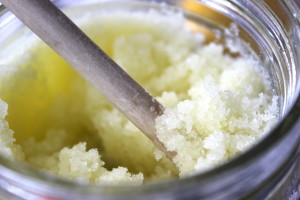
Photo credit: http://besskincare.com
Ahhh, summer. Beach weekends and mid-day picnics at the park. Perfect time to catch the rays and get that mega-dose of vitamin D our bodies so desperately crave all winter. Too much sun, however, can come at a cost and lead to peeling skin and dry patches. While sunscreen or a big floppy hat should be your first line of defense, what to do once the damage is done?
Well, first, apply copious amounts of aloe vera. We sell several great natural brands of 100% pure aloe gel– minus the creepy added fragrance and color dye (Yellow 5 and Blue 1 anyone?) of conventional brands.
Second, once the burn has faded, slough off that dead skin and leave your skin feeling clean and smooth, and freshly scented with a homemade salt scrub. So easy to make and can be a great gift for family and friends (hello, wedding season!)
Ingredients:
1 cup sea salt
1 cup almond or jojoba oil
20-30 drops of your favorite essential oil(s) (optional)
Dried lavender or rose buds (optional)
Mason jar or similar container
Instructions
1. Blend salt and your choice of oil in a mixing bowl.
2. Add the essential oil and lavender buds (optional). Stir and place mixture in a clean container and secure lid.
3. Use the scrub in the shower on damp skin, concentrating on rough areas and gently rinsing after use.
Book Review: Wheat Belly
By William Davis, MD (Rodale, 2011)
Reviewed by Rosalind Michahelles, Certified Holistic Health Counselor
Dr Davis has it in for wheat. He claims it provokes more insulin and does that faster than even table sugar. He and others are reporting disturbing news about that important hormone, insulin. Insulin is like an army’s quartermaster, making sure that the supplies (blood sugar) get to the right destination to be used for energy now or stored as fat for later. So one problem with wheat – bread, crackers, cake, cookies, and pasta, too – lies in its high glycemic load, even when not sweetened with added sugars.

By William Davis, MD (Rodale, 2011)
Reviewed by Rosalind Michahelles, Certified Holistic Health Counselor
Dr Davis has it in for wheat. He claims it provokes more insulin and does that faster than even table sugar. He and others are reporting disturbing news about that important hormone, insulin. Insulin is like an army’s quartermaster, making sure that the supplies (blood sugar) get to the right destination to be used for energy now or stored as fat for later. So one problem with wheat – bread, crackers, cake, cookies, and pasta, too – lies in its high glycemic load, even when not sweetened with added sugars.
Health Article: The Rest and Digest State!
HOW YOU EAT IS AS POWERFUL AS WHAT YOU EAT!
By Brittany Wood Nickerson, Practicing Herbalist
Our digestive system takes in and breaks down food and experiences. It is through the process of digestion that bits of food are transformed into vital nutrients – complex chemical processes work to extract vitamins and minerals, break down fats into lipids, and proteins into amino acids. A well functioning digestive system has the wisdom to break down, absorb and utilize the nutrition it needs from the food we eat and let go of the parts and pieces that it does not.
HOW YOU EAT IS AS POWERFUL AS WHAT YOU EAT!
By Brittany Wood Nickerson, Practicing Herbalist

Our digestive system takes in and breaks down food and experiences. It is through the process of digestion that bits of food are transformed into vital nutrients – complex chemical processes work to extract vitamins and minerals, break down fats into lipids, and proteins into amino acids. A well functioning digestive system has the wisdom to break down, absorb and utilize the nutrition it needs from the food we eat and let go of the parts and pieces that it does not. When digestion is not working well, one can eat the healthiest, most pure, organic food in the world, but not absorb any of the nutrients. In fact, improperly digested food (whether of poor or high quality) over time can lead to larger health concerns. We spend so much time focusing on WHAT we eat in our culture, I think we often forget to look at HOW we eat and whether or not our body is able to process and assimilate nutrition from that food.
Our digestive processes are integrally connected to our nervous system. The enteric nervous system, which has almost as many neurons as the spinal cord, runs the length of our digestive system from our mouth to our anus. The enteric nervous system is responsible for the secretion of digestive enzymes, bile and other fluids, the movement of peristalsis and the opening and closing of sphincters that allow food to pass from one digestive organ to another. The enteric nervous system is often called a second brain because it contains neurons, neurotransmitters and proteins that are responsible for communicating and thinking. Tissues that contain these “communicating and thinking” neurons and neurotransmitters (the same as those found in the brain) surround the primary organs of the digestive system – esophagus, stomach, small intestine, and large intestine – and are responsible for much of its functioning. When our senses are stimulated (the smell, sight or taste of food are a few examples), the enteric nervous system is triggered to begin the digestive process.
That being said, our digestive processes are influenced by all the same factors that influence our nervous system and to all those things that relax and worry us. When the body is stressed out, anxious, sad or angry, these emotions trigger our sympathetic nervous system, initiating the fight or flight response – when the body is in this state it goes into survival mode and digestion slows way down. On the contrary, when we are relaxed, happy and at ease, the parasympathetic nervous system is active; this is the rest and digest state. When we are in the rest and digest state, the enteric nervous system functions optimally and there is better digestion, absorption and elimination.
If you want to get the most out of your food, to digest properly, the body has to be in a relaxed, parasympathetic dominant state. Otherwise, the enteric nervous system, which makes all these amazing digestive processes work, will be impaired and sluggish. The most important first step is to make space to eat and digest. Making space to eat might include taking a few deep breaths before meals or taking a quiet moment to shut your eyes and soften into your body. A quiet moment of reflection such as this can help to lower the stress response. One of the other important ways that we can make space to enjoy and appreciate the food we eat is to practice gratitude – even if we are just eating a quick snack or a meal on the go. You can express your gratitude toward the food you are eating, those who prepared it or grew it, or to something else entirely. Giving thanks is an act that stimulates a parasympathetic (rest and digest) state, enhancing the digestive process.
There is ancient wisdom in saying grace before meals, as practiced by many cultures around the world.
Digestion is about breaking down, absorbing, processing and letting go of far more than just the food we eat. Supporting healthy digestion is also about acknowledging how we process experiences, emotions and energy. The state and health of our digestion can have a direct impact on our emotional state and vice versa. If you have an irritated, inflamed gut, you will feel irritated in your life. If you have sluggish, slow digestion, you will feel slow, unmotivated and perhaps depressed in your life. Supporting your digestion (including the ways we prepare and consume food) will positively influence how you feel, perceive, respond, react and initiate in your life. Supporting digestion is a broad topic, but here are a few straightforward suggestions to get you started!
Lifestyle and Dietary Suggestions to Support Better Digestion and Absorption:
1. Don’t eat late at night.
2. Eat regular, balanced meals and don’t snack when you are not hungry.
3. Don’t go for long periods without eating, do not suppress or ignore your hunger.
4. Have a bowel movement every day.
5. Do not drink cold liquids with meals.
6. Do not drink more than 6 – 8 oz. of liquid with meals.
7. Give thanks for the food you are eating, for those who grew it and prepared it and for anything else you want to honor.
8. Take a quiet moment before eating to relax and take a few deep breaths.
9. Chew slowly and mindfully.
10. Prepare and eat your food with love (no matter how simple or elaborate the meal).
11. Got bitter? Bitter is the most metabolically active of all flavors, it stimulates the entire digestive process, supports absorption and elimination and is excellent for liver health. Bitter foods include bitter lettuce, radicchio, dark leafy greens like dandelion greens and kale, and herbs like gentian, elecampane, angelica, artichoke leaf and dandelion root.
12. Support your digestive fire with carminative spices. Carminatives increase metabolism and the absorption of nutrients. They also help to relieve gas and bloating. All culinary herbs are carminative, so start cooking with herbs and spices!
13. Eat fermented foods. Fermented foods are full of probiotic bacteria that help support the health of our colon. They support absorption of B vitamins, fat-soluble vitamins and folic acid and play a large role in immunity. Healthy probiotic flora have also been linked to mental and emotional health. Fermented foods include: sauerkraut, kim chi, kombucha, plain yogurt, kefir, sour cream, crème fraiche, buttermilk, lacto fermented pickles, miso, raw apple cider vinegar.
Brittany Wood Nickerson is a practicing herbalist. She grows herbs, keeps a homestead, sees clients, runs an herbal school and writes zines at Thyme Herbal in Amherst Massachusetts. She will be teaching Daily Nourishment at HERBSTALK on June 8th.
Brittany can be found at Thyme Herbal: www.thymeherbal.com
This article was originally posted at: http://herbstalk.org/2013/06/the-rest-and-digest-state-how-you-eat-is-as-powerful-as-what-you-eat/
Book Review: BEYOND BROCCOLI: Creating a Biologically Balanced Diet When a Vegetarian Diet Doesn’t Work
BEYOND BROCCOLI: Creating a Biologically Balanced Diet When a Vegetarian Diet Doesn’t Work
By Susan Schenck, Lac
Reviewed by Rosalind Michahelles, Certified Holistic Health Counselor
For those who are, were, or might become vegetarians, this is a useful book. Written by a woman whose earlier book The Live Food Factor extolled the nutritional benefits of raw plants. Courageous woman! When she found after six years of raw veganism that she didn’t thrive, she looked “beyond broccoli,” and, once her health was restored, she wrote this book.
BEYOND BROCCOLI: Creating a Biologically Balanced Diet When a Vegetarian Diet Doesn’t Work
By Susan Schenck, Lac
Reviewed by Rosalind Michahelles, Certified Holistic Health Counselor
For those who are, were, or might become vegetarians, this is a useful book. Written by a woman whose earlier book The Live Food Factor extolled the nutritional benefits of raw plants. Courageous woman! When she found after six years of raw veganism that she didn’t thrive, she looked “beyond broccoli,” and, once her health was restored, she wrote this book.
After those six years eating no animal products and nothing cooked, Schenk added 6 ounces of raw meat a day and quickly felt better. “My blood sugar stabilized, and I never had food cravings. I was no longer bloated, often a sign of high blood insulin levels….I slept better….” She is candid about the symptoms that led to her change in persuasion: bloating, weight gain, vitamin B-12 deficiency, and fatigue. Her change was not big, more of a shift, really, to include some meat, fish, and eggs. She still eats most food raw and recommends we all do so as well.
Chapter 2 engages the reader in what the author calls the vegetarian myths. One is that we should eat like our primate cousins. It turns out, however, that they are not strictly vegetarian and that they have longer intestines, to deal with all the roughage they consume. We are differently equipped, partly to accommodate our larger brains, which do well with more protein and more fat, especially the omega-3 fats from fish and grass-fed mammals.
Another myth is that vegetarians get less cancer. According to Schenk’s sources, that holds for some cancers but not for others, like endometrial, prostate, brain, skin, and pancreatic.
Whatever the fat ratio in a vegetarian or vegan diet – and there are plenty of plant oils, like coconut and olive and seed oils – the proportion of carbohydrates is bound to be high. The author reminds us that carbs –> insulin –> weight gain, and also that the fuel we get from carbohydrates burns up faster than that from protein or fat and so we get hungry quicker, leading to more eating.
For some, eggs will represent their farthest frontier, i.e., the only animal product they will eat. Schenk lists what eggs have to offer us: protein, lecithin (an emulsifier), vitamin B-12, selenium, and, when hens are pastured, then also omega-3 fatty acids, vitamin A, lutein, and xanthin.
In the chapter, which is dedicated to what meat provides us with, the author quotes Weston Price who visited many “pre-Westernized” communities around the world in the 1930’s, but could find none that were vegetarian to the exclusion of all animal products. Can we therefore conclude that all human societies eat at least some? That may be because vitamins A and D abound in cod liver oil; the B vitamins abound in meat; vitamin K-2 comes from grass-fed animals; omega-3 fats come from them, as well, and from fatty fish like salmon. Heme-iron from animals “is more readily absorbed by the body than the non-heme iron of plant sources.”
Finally, there is the question of morality and sustainability. Schenk’s recommendations on both counts involve animal husbandry on a small, local scale. Animals with outdoor careers will fertilize the ground while leading natural lives — unlike the factory animals, inhumanely cramped and poisoning the environment with lakes of excrement. Eliot Coleman, sustainable Maine farmer, author, and lecturer, compares eating “my own grass-raised steer” to “a vegetarian eating tofu made in a factory from soybeans grown in Brazil [who] is responsible for a lot more CO-2 than I am.”
Some people think a vegetarian diet is more slimming than an omnivorous diet — but they should see the cartoon at the front of the book with thiscaption: “If a vegetarian diet is good for losing weight, how come they use grain to fatten pigs and cows?”
This book is very clearly organized so that a reader can pick and choose the relevant chapters and topics. This is good because as a 247-page paperback in 8” x 10” format, it is hard to hold for any length of time. I recommend it to anyone who has doubts about whether to eat meat and then which meat and from what source. The author is categorical about the need to find sustainably raised meat and gives this helpful website: www.sustainabletable.com. Go to the Food Guide to find outlets by zip code.
Health Article: The Power of Peppermint
A favorite herbal medicine of the ancients, peppermint leaves have been found in Egyptian pyramids dating back to 1,000 BC. Modern scientific investigations have now confirmed that this remarkable plant has over a dozen healing properties.
In our continuing effort to educate folks to the vast array of healing agents found in the natural world around us, we are excited to feature peppermint, a member of the aromatic mint family that you may already have squirreled away somewhere in your kitchen cupboard. While most have experienced peppermint as a flavoring agent, or perhaps as a comforting cup of herbal tea, few are aware of its wide range of experimentally confirmed therapeutic properties.
The Power of Peppermint: 15 Health Benefits Revealed
By Sayer Ji, Founder GreenMedInfo, posted on greenmedinfo.com 03/15/2013

A favorite herbal medicine of the ancients, peppermint leaves have been found in Egyptian pyramids dating back to 1,000 BC. Modern scientific investigations have now confirmed that this remarkable plant has over a dozen healing properties.
In our continuing effort to educate folks to the vast array of healing agents found in the natural world around us, we are excited to feature peppermint, a member of the aromatic mint family that you may already have squirreled away somewhere in your kitchen cupboard. While most have experienced peppermint as a flavoring agent, or perhaps as a comforting cup of herbal tea, few are aware of its wide range of experimentally confirmed therapeutic properties.
The ancients certainly were aware of the mint family’s medicinal value, having been used as herbal medicines in ancient Egypt, Greek and Rome thousands of years ago.[i] Dried peppermint leaves have even been found in several Egyptian pyramids carbon dating back to 1,000 BC.
Today, modern scientific investigations are revealing an abundance of potential health benefits associated with the use of different components of the peppermint plant, including aromatherapeutic, topical and internal applications.
Most of the human research on peppermint performed thus far indicates this plant has great value in treating gastrointestinal disorders, including:
Irritable Bowel Syndrome – Since the late 90′s it was discovered that enteric-coated peppermint oil capsules are safe and effective in the treatment of this increasingly prevalent disorder.[ii] This beneficial effect extends to the pediatric community. In one children’s trial 75% of those receiving peppermint oil had reduced severity of pain associated with IBS within 2 weeks.[iii] Another 2005 trial in adults concluded that “Taking into account the currently available drug treatments for IBS Peppermint oil (1-2 capsules t.i.d. over 24 weeks) may be the drug of first choice in IBS patients with non-serious constipation or diarrhea to alleviate general symptoms and to improve quality of life.”[iv] In another 2007 trial 75% of patients receiving peppermint oil saw an impressive 50% reduction of “total irritable bowel syndrome score.”[v] Most recently, a study published January of this year found that peppermint oil was effective in relieving abdominal pain in diarrhea predominant irritable bowel syndrome.[vi]
Colonic spasm – Peppermint oil has been studied as a safe and effective alternative to the drug Buscopan for its ability to reduce spasms during barium enemas.[vii] [viii]
Gastric Emptying Disorders – Peppermint has been found to enhance gastric emptying, suggesting its potential use in a clinical setting for patients with functional gastrointestinal disorders.[ix]
Functional dyspepsia – A 2000 study published in the journal Ailment Pharmacology and Therapy found that 90 mg of peppermint oil and 50 mg of caraway oil resulted in 67% of patients reporting “much or very much improved” in their symptoms of functional dyspepsia. [x]
Infantile Colic: A 2013 study found that peppermint is at least as effective as the chemical simethicone in the treatment of infantile colic.[xi]
Other studied applications include:
Breastfeeding Associated Nipple Pain and Damage: A 2007 study found that peppermint water prevented nipple cracks and nipple pain in breastfeeding mothers.[xii]
Tuberculosis: A 2009 study found that inhaled essential oil of peppermint was able to rapidly regress tuberculous inflammation, leading the authors to conclude: “This procedure may be used to prevent recurrences and exacerbation of pulmonary tuberculosis.”[xiii]
Allergic rhinitis (hay fever): A 2001 preclinical study found that extracts of the leaves of peppermint inhibit histamine release indicating it may be clinically effective in alleviating the nasal symptoms of allergic rhinitis.[xiv]
Shingles Associated Pain (Post-Herpetic Neuralgia): A 2002 case study found that topical peppermint oil treatment resulted in a near immediate improvement of shingles associated neuropathic pain symptoms; the therapeutic effects persisted throughout the entire 2 months of follow-up treatment. [xv]
Memory problems: A 2006 study found that the simple aroma of peppermint enhances memory and increases alertness in human subjects.[xvi]
Chemotherapy-Induced Nausea: A 2013 study found that peppermint oil was found to be effective in reducing chemotherapy-induced nausea, and at reduced cost versus standard drug-based treatment.[xvii]
Prostate Cancer: Preclinical research indicates that peppermint contains a compound known as menthol which inhibits prostate cancer growth.[xviii] [xix]
Radiation Damage: Preclinical research indicates peppermint protects against radiation-induced DNA damage and cell death.[xx] [xxi]
Herpes Simplex Virus Type 1: Peppermint has been found to have inhibitory activity against acyclovir-resistant Herpes Simplex virus type 1.[xxii] [xxiii]
Dental Caries/Bad Breath: Peppermint oil extract has been found to be superior to the mouthwash chemical chlorhexidine inhibiting Streptococus mutans driven biofilm formation associated with dental caries.[xxiv] [xxv]
This may explain why powdered peppermint leaves were used in the Middle Ages to combat halitosis and whiten teeth.
Peppermint is actually a hybridized cross between Water Mint (Mentha aquatica) and Spearmint (Mentha spicata),[xxvi] the latter of which has also been researched to possess remarkable therapeutic properties, such as the ability to exert significant anti-androgenic effects in polycystic ovarian syndrome[xxvii] and ameliorating the related condition of mild hirsutism, marked by excessive hair growth in females.[xxviii]
Like all plant medicines, extreme caution must be exercised when using extracts and especially essential oils. Also, remember that more is not always better. A recent study on the use of rosemary in improving cognitive performance in the elderly found that a lower ‘culinary’ dose (750 mg) was not only more effective in improving cognition (as measured by memory speed) than a higher dose, but the highest dose (6,000 mg) had a significant memory impairing effect.[xxix] This illustrates quite nicely how less can be more, and why an occasional nightly cup of peppermint tea may be far superior as preventive strategy than taking large ‘heroic’ doses of an herb only after a serious health problem sets in.
_____________________________________________________
Resources
[i] A. Sustrikova, I. Salamon, Essential oil of peppermint (Mentha x piperita L.) from fields in Eastern Slovakia., 2004: Zahradnictvi Horticultural Science 31(1): 31-36
[ii] J H Liu, G H Chen, H Z Yeh, C K Huang, S K Poon. Enteric-coated peppermint-oil capsules in the treatment of irritable bowel syndrome: a prospective, randomized trial. J Gastroenterol. 1997 Dec;32(6):765-8. PMID: 9430014
[iii] R M Kline, J J Kline, Di Palma J, G J Barbero. Enteric-coated, pH-dependent peppermint oil capsules for the treatment of irritable bowel syndrome in children. J Pediatr. 2001 Jan;138(1):125-8. PMID: 11148527
[iv] H G Grigoleit, P Grigoleit. Peppermint oil in irritable bowel syndrome. Phytomedicine. 2005 Aug;12(8):601-6. PMID: 16121521
[v] G Cappello, M Spezzaferro, L Grossi, L Manzoli, L Marzio. Peppermint oil (Mintoil) in the treatment of irritable bowel syndrome: a prospective double blind placebo-controlled randomized trial. Dig Liver Dis. 2007 Jun;39(6):530-6. Epub 2007 Apr 8. PMID: 17420159
[vi] M S Alam, P K Roy, A R Miah, S H Mollick, M R Khan, M C Mahmud, S Khatun. Efficacy of Peppermint Oil in Diarrhea Predominant IBS – A Double Blind Randomized Placebo – Controlled Study. Mymensingh Med J. 2013 Jan ;22(1):27-30. PMID: 23416804
[vii] M J Sparks, P O’Sullivan, A A Herrington, S K Morcos. Does peppermint oil relieve spasm during barium enema? Br J Radiol. 1995 Aug;68(812):841-3. PMID: 7551780
[viii] T Asao, H Kuwano, M Ide, I Hirayama, J-I Nakamura, K-I Fujita, R Horiuti. Spasmolytic effect of peppermint oil in barium during double-contrast barium enema compared with Buscopan. Clin Radiol. 2003 Apr;58(4):301-5. PMID: 12662951
[ix] Masahiko Inamori, Tomoyuki Akiyama, Keiko Akimoto, Koji Fujita, Hirokazu Takahashi, Masato Yoneda, Yasunobu Abe, Kensuke Kubota, Satoru Saito, Norio Ueno, Atsushi Nakajima. Early effects of peppermint oil on gastric emptying: a crossover study using a continuous real-time 13C breath test (BreathID system). J Gastroenterol. 2007 Jul;42(7):539-42. Epub 2007 Jul 25. PMID: 17653649
[x] B May, S Köhler, B Schneider. Efficacy and tolerability of a fixed combination of peppermint oil and caraway oil in patients suffering from functional dyspepsia. Aliment Pharmacol Ther. 2000 Dec;14(12):1671-7. PMID: 11121917
[xi] João Guilherme Bezerra Alves, Rita de Cássia Coelho Moraes de Brito, Telma Samila Cavalcanti. Effectiveness of Mentha piperita in the Treatment of Infantile Colic: A Crossover Study. Evid Based Complement Alternat Med. 2012 ;2012:981352. Epub 2012 Jul 12. PMID: 22844342
[xii] Manizheh Sayyah Melli, Mohammad Reza Rashidi, Abbas Delazar, Elaheh Madarek, Mohammad Hassan Kargar Maher, Alieh Ghasemzadeh, Kamran Sadaghat, Zohreh Tahmasebi. Effect of peppermint water on prevention of nipple cracks in lactating primiparous women: a randomized controlled trial. Int Breastfeed J. 2007;2:7. Epub 2007 Apr 19. PMID: 17442122
[xiii] V A Shkurupiĭ, O A Odintsova, N V Kazarinova, K G Tkrachenko. [Use of essential oil of peppermint (Mentha piperita) in the complex treatment of patients with infiltrative pulmonary tuberculosis]. Virol J. 2009 Jan 20;6:8. PMID: 17128800
[xiv] T Inoue, Y Sugimoto, H Masuda, C Kamei. Effects of peppermint (Mentha piperita L.) extracts on experimental allergic rhinitis in rats. Biol Pharm Bull. 2001 Jan;24(1):92-5. PMID: 11201253
[xv] Simon J Davies, Louise M Harding, Andrew P Baranowski. A novel treatment of postherpetic neuralgia using peppermint oil. Clin J Pain. 2002 May-Jun;18(3):200-2 PMID: 12048423
[xvi] Mark Moss, Steven Hewitt, Lucy Moss, Keith Wesnes. Modulation of cognitive performance and mood by aromas of peppermint and ylang-ylang. Nutr Cancer. 2006;55(1):53-62. PMID: 18041606
[xvii] Z Tayarani-Najaran, E Talasaz-Firoozi, R Nasiri, N Jalali, Mk Hassanzadeh. Antiemetic activity of volatile oil from Mentha spicata and Mentha× piperita in chemotherapy-induced nausea and vomiting. Ecancermedicalscience. 2013 ;7:290. Epub 2013 Jan 31. PMID: 23390455
[xviii] Eun-Jung Park, Su-Hwa Kim, Byung-Joo Kim, Sung-Young Kim, Insuk So, Ju-Hong Jeon. Menthol Enhances an Antiproliferative Activity of 1alpha,25-Dihydroxyvitamin D(3) in LNCaP Cells. J Clin Biochem Nutr. 2009 Mar;44(2):125-30. Epub 2009 Feb 28. PMID: 19308266
[xix] Su-Hwa Kim, Joo-Hyun Nam, Eun-Jung Park, Byung-Joo Kim, Sung-Joon Kim, Insuk So, Ju-Hong Jeon. Menthol regulates TRPM8-independent processes in PC-3 prostate cancer cells. Biochim Biophys Acta. 2007 Apr;1770(4):659-65. Epub 2006 Nov 23. PMID: 18955132
[xx] Hanaa A Hassan, Hani S Hafez, Mona S Goda. Mentha piperita as a pivotal neuro-protective agent against gamma irradiation induced DNA fragmentation and apoptosis : Mentha extract as a neuroprotective against gamma irradiation. Cytotechnology. 2013 Jan ;65(1):145-56. Epub 2012 Sep 21. PMID: 23011739
[xxi] Ravindra M Samarth, Meenakshi Samarth. Protection against radiation-induced testicular damage in Swiss albino mice by Mentha piperita (Linn.). Basic Clin Pharmacol Toxicol. 2009 Apr;104(4):329-34. PMID: 19320637
[xxii] Silke Nolkemper, Jürgen Reichling, Florian C Stintzing, Reinhold Carle, Paul Schnitzler. Antiviral effect of aqueous extracts from species of the Lamiaceae family against Herpes simplex virus type 1 and type 2 in vitro. Planta Med. 2006 Dec;72(15):1378-82. Epub 2006 Nov 7. PMID: 17091431
[xxiii] A Schuhmacher, J Reichling, P Schnitzler. Virucidal effect of peppermint oil on the enveloped viruses herpes simplex virus type 1 and type 2 in vitro. Phytomedicine. 2003;10(6-7):504-10. PMID: 13678235
[xxiv] Iraj Rasooli, Shojaedin Shayegh, Massoud Taghizadeh, Shakiba Darvish Alipoor Astaneh. Phytotherapeutic prevention of dental biofilm formation. Phytother Res. 2008 Sep;22(9):1162-7. PMID: 18729251
[xxv] Shojaedin Shayegh, Iraj Rasooli, Massoud Taghizadeh, Shakiba Darvish Alipoor Astaneh. Phytotherapeutic inhibition of supragingival dental plaque. Nat Prod Res. 2008 Mar 20;22(5):428-39. PMID: 18404563
[xxvi] The Complete Illustrated Book of Herbs, Alex Frampton, The Reader’s Digest Association, 2009
[xxvii] Paul Grant. Spearmint herbal tea has significant anti-androgen effects in polycystic ovarian syndrome. A randomized controlled trial. Phytother Res. 2009 Jul 7. PMID: 19585478
[xxviii] Mehmet Akdoğan, Mehmet Numan Tamer, Erkan Cüre, Medine Cumhur Cüre, Banu Kale Köroğlu, Namik Delibaş. Effect of spearmint (Mentha spicata Labiatae) teas on androgen levels in women with hirsutism. Phytother Res. 2007 May;21(5):444-7. PMID: 17310494
[xxix] Andrew Pengelly, James Snow, Simon Y Mills, Andrew Scholey, Keith Wesnes, Leah Reeves Butler. Short-term study on the effects of rosemary on cognitive function in an elderly population. J Med Food. 2012 Jan ;15(1):10-7. Epub 2011 Aug 30. PMID: 21877951
Book Review: Coping with Heartburn, GERD, SIBO, and IBS
Coping with Heartburn, GERD, SIBO, and IBS
Fast Tract Digestion by Norman Robillard
Reviewed by Rosalind Michahelles, Certified Holistic Health Counselor
For anyone puzzled about GERD (Gastro-esophageal reflux disease) or SIBO (small intestinal bacterial overgrowth) or IBS (irritable bowel syndrome) – puzzled despite reading books and seeing doctors, Fast Tract Digestion by Norman Robillard may help.
This ‘alphabet soup’ of digestive ailments is very likely one brew connecting different symptoms that vary according to where you feel the distress. Excessive and painful belching oresophagus is called GERD. If the symptoms are intestinal cramps, diarrhea, constipation, bloating, and flatulence – it may be either SIBO or IBS. (N.B., IBS differs from IBD, inflammatory bowel disease, in that IBD is considered an autoimmune disease and a more serious problem.)
Coping with Heartburn, GERD, SIBO, and IBS
Fast Tract Digestion by Norman Robillard
Reviewed by Rosalind Michahelles, Certified Holistic Health Counselor
For anyone puzzled about GERD (Gastro-esophageal reflux disease) or SIBO (small intestinal bacterial overgrowth) or IBS (irritable bowel syndrome) – puzzled despite reading books and seeing doctors, Fast Tract Digestion by Norman Robillard may help.
This ‘alphabet soup’ of digestive ailments is very likely one brew connecting different symptoms that vary according to where you feel the distress. Excessive and painful belching oresophagus is called GERD. If the symptoms are intestinal cramps, diarrhea, constipation, bloating, and flatulence – it may be either SIBO or IBS. (N.B., IBS differs from IBD, inflammatory bowel disease, in that IBD is considered an autoimmune disease and a more serious problem.)
Robillard maintains that GERD stems not so much from the stomach as from the small intestine when there is overgrowth of bacteria normally only found in the large intestine. When e-coli, clostridium, and other bacteria not associated with the small intestine manage to migrate upstream past the ileocecal valve, they cause troublesome fermentation. These very same bacteria in the large intestine may not be problematic; but they don’t belong further up. This “premature” fermentation produces a lot of gas which then forces its way up into the stomach or down into the colon, causing distress in either case: belching and reflux or bloating, cramps, and flatulence, as the case may be.
How to avoid this inappropriate fermentation? Avoid resistant starch and sugar alcohols. What is resistant starch? It is starch in the form of amylase, found abundantly in some carbohydrates. The book helps identify them, as it does with the sugar alcohols, aka polyols, often used as non-carbohydrate sweeteners in processed food, including supplements, toothpaste, chewing gum, etc. In trying to avoid sugar and fructose, manufacturers have turned to polyols with names like sorbitol, mannitol, and xylitol.
Naturally, with such a list of unfamiliar elements, it’s hard to imagine what’s OK to eat and what isn’t. Fast Tract Digestion does include food lists at the end, though they are not exhaustive. Here’s what the author says is safe: meat, fish, cheese, eggs, nuts, fats and oils. It’s in the fruit and
an acidic return of food from the stomach to the
vegetable realm that the going gets tricky. Robillard describes how to identify the “fermentable potential” of food, but it doesn’t seem easy to do. It’s not enough to look at the carbohydrate content because some carbs – e.g., glucose – is absorbed in the stomach and never gets to the small intestine.
A small irony in following Robillard’s lead here is that high glycemic food, that is food that turns quickly into blood sugar, may be easier for those with SIBO for the very reason that its carbohydrates are digested quicker and therefore aren’t lingering long enough in the digestive tract to cause trouble. So the white rice many abandoned in favor of the ‘healthier’ whole grain brown variety may, in fact be better for you. If you have secretly preferred white rice, here’s an opportunity to rejoice – if you have SIBO.
A positive note in this sea of possibilities is that there is potential for reversibility if the intestines heal and if enzymes needed to break down the difficult carbohydrates flourish again. Can supplements help? The author recommends probiotics, those that should be dominant in the small intestine: lactobacillus acidophilus, and bifidobacterium bifidum in particular as they “are very efficient at breaking down oligoaaccharides such as lactose, sucrose, raffinose, stachyose ….in the small intestine.” A diet ample in fermented vegetables and in yogurt with active cultures should also help in this department.
Chapter 8 takes on the competition – other dietary approaches to heartburn and GERD and IBS. There are two that most resemble the Fast Tract diet. One is the Specific Carbohydrate Diet published by Elaine Gottschall in her book Breaking the Vicious Cycle. This differs in allowing honey and a number of high-fructose fruits and in eliminating all starches, whereas Fast Tract eliminates as much fructose as possible and distinguishes among starches. (The GAPS diet developed by Dr. Natasha Campbell-McBride takes the SC diet a bit further.) The other similar approach has the odd acronym FODMAPS: fermentable oligo-, di-, and monosaccharides and polyols. Based on the research behind this, Patsy Catsos has published IBS-Free At Last. This diet limits lactose, fructose fructans like wheat and onions, polyols from apples and plums etc., and galactans like legumes and some members of the cabbage family. However, according to Robillard, it is deficient in failing to take resistant starch into account.
How should a sufferer tackle this conundrum? One is to buy the Robillard book and use his three appendices to help you navigate. The first includes meal plans and recipes. For more individualistic people who want to make up their own combinations, Appendix B provides 30 pages of common kinds of food and their fermentable potential. The last appendix is a template for
a food journal to track what food produced what results. Here is a rough idea of what to expect:
MEAT & FISH – allLEGUMES – noneSOUPS – miso, brothCRACKERS – rice cakes, crackers COOKIES – shortbread
FLOUR – buckwheat (i.e., no bread)RICE – jasmine, Asian stickyPOTATO – waxy, Yukon goldVEGETABLES – all leaves and stalks, no rootsDAIRY – cream, yogurt, some cheeses: ricotta, cream cheese, brie, Gouda
NUTS – almonds, cashews, walnuts FRUIT – stick with berriesSUGAR, HONEY, etc. — none
The more drastic approach is to consider what all of the books mentioned above recommend and then eliminate all potential hazards before slowly testing different ones by adding them to your diet for a few days. The basic diet would thus have no grains or added sugars, no starchy vegetables (think roots), nothing in the onion or cabbage families, nothing with dairy in it, no legumes. For a couple of weeks, your diet would resemble the Atkins diet – meat, fish, eggs, fat and oils, leafy vegetables, and the occasional berry. Tea and coffee, if taken black, would be OK. This is a tall order! But the research will pay off if you can avoid what makes you sick and even heal your intestines, to boot. Pharmaceutical alternatives tend to have side effects, which tailoring your diet to your own requirements would not have. Be brave! You deserve to feel well.
References:Breaking the Vicious Cycle, Elaine Gottschall, Kirkton Press, 1994. Fast Tract Digestion, Norman Robillard, Self Help Publishing, 2012.Gut and Psychology Syndrome, Natasha Campbell-McBride, Medinform Publishing 2004.IBS-Free At Last, Patsy Catsos, Pond Cove Press, 2008.
Rosalind Michahelles is a Certified Holistic Health Counselor in Cambridge. For questions about this essay or related issues please call 617-491-3239 or visit www.nutrition-matters.info