
The Naturalist Blog
*
The Naturalist Blog *
Maribeth's Peaceful Heart Tea
:: to uplift mood & spirit ::
Maribeth, our herbalist-in-training on staff made up this delicious tea blend to lift the heart and bring light to the spirit during these cold, dark days of our New England winter.
A good mood can often support our immunity, bringing us up out of the dark and helping us to find peace in hibernating. This tea has helped to lighten the weight of this deep winter and remind me of the beauty of slowing down to rest. Also great on the go to calm the anxieties and stressors of traveling through a snow-blanketed city as we soldier the last weeks of winter.
Holy Basil to relax mind and body and bring positivity and warmth.
Hawthorn Leaf & Flower to bring peace to the heart and calm to the nerves
Rose Petals to remind us to love our experiences, each other, and ourselves
Calendula Flowers to remind us of the warm sun, illuminate the darkness, and aid a sluggish system
Rosemary to rejuvenate, clear, and uplift our spirit

I enjoy this tea all day long as winter continues to visit us here in the North East. The ritual of making tea itself has a calming, soothing effect and allows me to slow down as winter intends. This blend of herbs not only works on the emotional body, but supports digestion, our lymphatic system, and strengthens our blood during these more sluggish months.
Grab a pre-made package of Peaceful Heart Tea at Cambridge Naturals - or make your own! Feel free to add any other of your favorite uplifting herbs to this recipe:
1/4 cup Hawthorn Leaf & Flower
1/4 cup Holy Basil
3 Tbsp. Rose Petals,
2 Tbsp. Calendula Flowers
1 Tbsp. Rosemary
Use 1 tsp. to 1 tbsp. of this blend to your mug of hot water. Steep 10 - 15 minutes, covered. Strain, breathe deep, sip, and relax. Add raw, local honey if desired for an added immune and spirit boost.
Cheers to happiness and good health!
Calendula: Blossoms of the Sun Calendula officinalis
By Steph Zabel
Herbalist, Ethnobotanist and Educator
Calendula is a quintessential summertime herb – its flowering reaches its peak during the warmest months, and its orange and yellow blossoms look like small suns. Which is exactly why calendula is such an agreeable herb for this time of year, when we all could do with a bit more sunshine, warmth, and color amidst our dark New England days. In the depths of winter, calendula flowers are a saving grace with their brightly colored petals, and their virtues steeped in hot cups of tea.
By Steph Zabel
Herbalist, Ethnobotanist and Educator
Calendula is a quintessential summertime herb – its flowering reaches its peak during the warmest months, and its orange and yellow blossoms look like small suns. Which is exactly why calendula is such an agreeable herb for this time of year, when we all could do with a bit more sunshine, warmth, and color amidst our dark New England days. In the depths of winter, calendula flowers are a saving grace with their brightly colored petals, and their virtues steeped in hot cups of tea.
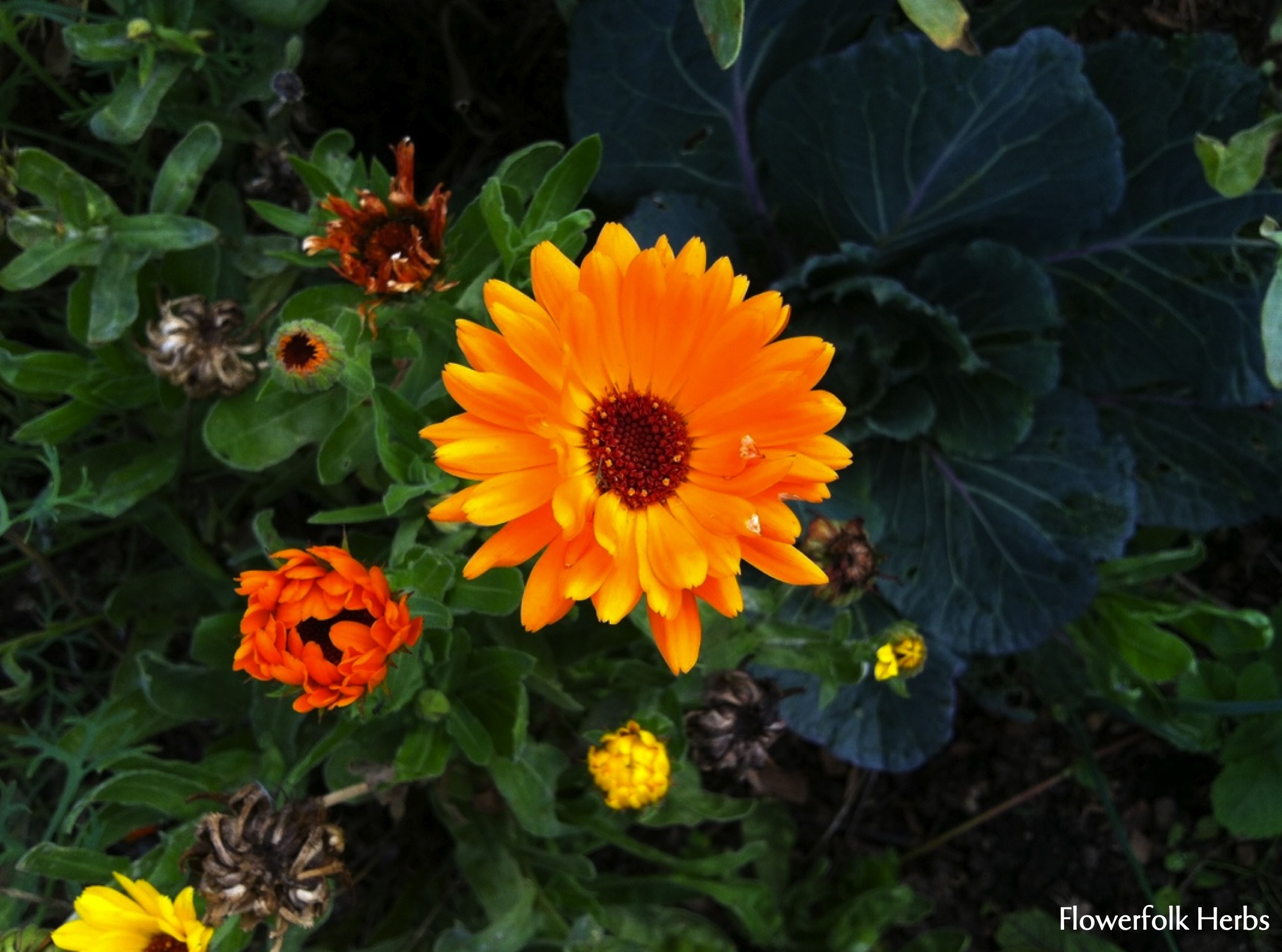
Like many of our commonly used herbs, Calendula officinalis originates from the Mediterranean region. But due to its hardy temperament, abundant seeding habits, and lovely flowers, it is grown wherever there are gardeners and herbalists familiar with its qualities. Its genus name Calendula relates to its prolific blooming habits, where in the right climate, could produce flowers in every calendar month. Although it is technically an annual plant, this past fall I brought my potted calendula inside to continue its growth under grow-lights, and it has continued to amaze me with its vigor. It has put on new growth and bloomed throughout the whole winter, showing no signs of letting up.
The second part of its scientific name, officinalis, denotes that it is a plant that has an established history of use in herbal medicine. Indeed, calendula is still known and loved for its healing qualities by the modern herbalist. As a lymphatic herb, it stimulates lymphatic drainage, and increases the elimination of waste products from the body. A healthy lymphatic system corresponds to a strong immune system, which is especially important during a long winter, when we are all more prone to colds and flu. Last winter, for instance, I experienced a long-lasting cold that I just could not seem to shake. I took elderberry syrup (link to elderberry post) and rosehip tea, drank bone broths and chicken soup, and slept a lot. But this time, I felt that something else was needed… So I turned to my herb cabinet to locate some summer-dried calendula flowers and steeped them for a long while in a pot of water on my stove. I drank this dark-hued, golden tea, feeling as if it were liquid sunshine, a brew so strong it was almost bitter. My body seemed happy for it, the cold went away shortly, and indeed my mood – after a few melancholic days – lifted.
It was a ray of light during a time of sickness and the winter blues.
Calendula mixes nicely with other herbs, but I would recommend trying it on its own first. Or, you can add a handful of the flower heads to pots of soup or broth as it simmers, which is a traditional way to boost the immunity during the winter months.
Beyond its internal applications, calendula is also renowned for its use as a topical wound healer and balm for the skin. The orange petals have been shown to help wounds heal faster, and increase blood flow and oxygen to the damaged area, helping the body grow new tissue. It has been used with great success as an infused oil or salve in cases of skin inflammation and eczema. A poultice or balm of calendula petals can also help reduce the pain of insect stings and swelling.

If you are growing calendula in your garden, save the dried seeds in the fall to sow the following spring. In the summer harvest the newly-opened and vibrant flower heads and notice the sticky resin covering the calyx, where much of its medicinal goodness resides. Dry these flowers on a screen or on brown paper bags for a few days until completely dry, then store in a glass jar out of the sunlight to use throughout the autumn and winter months. It’s like bottling up the energy of the summer sun to use during darker days.
How to Use:
To make a simple Calendula tea, steep 1 Tblsp. of the dried flowers in one mug of boiled water, covered, for at least 10 minutes. Strain and drink.
To use Calendula in soups or broths, simply add a handful of the dried flower blossoms to any broth or stock that you are making and allow the petals to infuse while the broth is cooking for at least an hour. Strain and use in any soup recipe.
Please Note: Calendula is a member of the Aster (Asteraceae) plant family, which may cause allergic reactions in some people. If you are allergic to Chamomile or other Aster plants, use calendula with caution.
RECIPES:
Winter Gladness Tea
This is a perfect mid-winter blend, because it is uplifting, gently aromatic, and full of cheery colors! Sometimes I will add in other herbs such as elderberries or orange peel, but the basic recipe is below - use it as is, or get creative and adjust to your own taste.
This recipe will make 8 - 10 servings.
Blend together:
4 Tbsp. Holy Basil
2 Tbsp. Rose Petals
1 Tbsp. Hibiscus
1 Tbsp. Rosehips
1 Tbsp. Calendula
Use 1/2 - 1 Tablespoon of this tea blend per mug of hot water. Let steep at least 10 minutes, covered. Strain and add honey if desired.
Calendula & Rose Skin Salve

Adding beeswax to an infused calendula and rose oil creates a beautiful salve that can be used topically on dry, winter hands, minor cuts, or patches of eczema. If you add essential oils to your blend you can also create a wonderfully aromatic salve that makes for a lovely gift.
There are a few different methods for making infused herbal oils, but the crockpot method is my favorite and seems to produce the best oil extractions.
Ingredients:
1 cup dried calendula flowers
1 cup dried rose flowers (pink or red)
3 cups organic olive oil (or other cold-pressed oil)
~ ¾ cup beeswax pellets
essential oils
Place the dried calendula and rose petals in a small crockpot. Cover with the oil. Turn the crockpot to low and let steep for at least 4 hours. If at any point the oil starts to simmer and bubble, turn the crockpot off to allow the oil to cool down, and then turn it back on to low. I often do this over the course of 2 to 3 days, turning the crockpot on and off repeatedly, to allow for maximum extraction of the herbs without over-cooking them in the oil.
Strain out the herbs and measure the remaining infused oil. In a double boiler on the stove, mix together the oil and beeswax pellets, combining over low heat. The general rule of thumb is to use ¼ the amount of beeswax to oil, but this can be adjusted according to how soft or hard you want the final salve to be. Check for consistency by placing a spoonful of the combined oil and beeswax in the freezer – in a few minutes you will be able to check its texture; if it is too soft, add more beeswax, if it is too hard, add more oil.
Remove the mixture from the stove and add in 40 – 80 drops of your chosen essential oil(s). Carefully pour into tins or glass containers and allow to set.
Steph Zabel is an herbalist and educator based in Somerville, MA who helps urban dwellers connect with the plant world. She teaches herbal classes, is available for individual wellness sessions, and is also the founder of HERBSTALK, a community herbal conference. Learn more about her work at: www.flowerfolkherbs.com and www.herbstalk.org.
References:
Wood, Matthew. The Book of Herbal Wisdom. Berkeley, CA: North Atlantic Books, 1997.
Chevallier A. The Encyclopedia of Medicinal Plants. New York, NY: DK Publishing, 1996.
http://umm.edu/health/medical/altmed/herb/calendula
http://www.botanical.com/botanical/mgmh/m/marigo16.html
http://cms.herbalgram.org/herbalgram/issue77/article3229.html?ts=1421603612&signature=66229b7765b3346b74efb03b6d80ae33
This Web page — Herbs and Botanicals — is for general health information only. This Web site is not to be used as a substitute for medical advice, diagnosis or treatment of any health condition or problem. Users of this Web site should not rely on information provided on this Web site for their own health problems. Any questions regarding your own health should be addressed to your own physician or other healthcare provider.
Remembering Rosemary
By Steph Zabel
Herbalist, Ethnobotanist and Educator
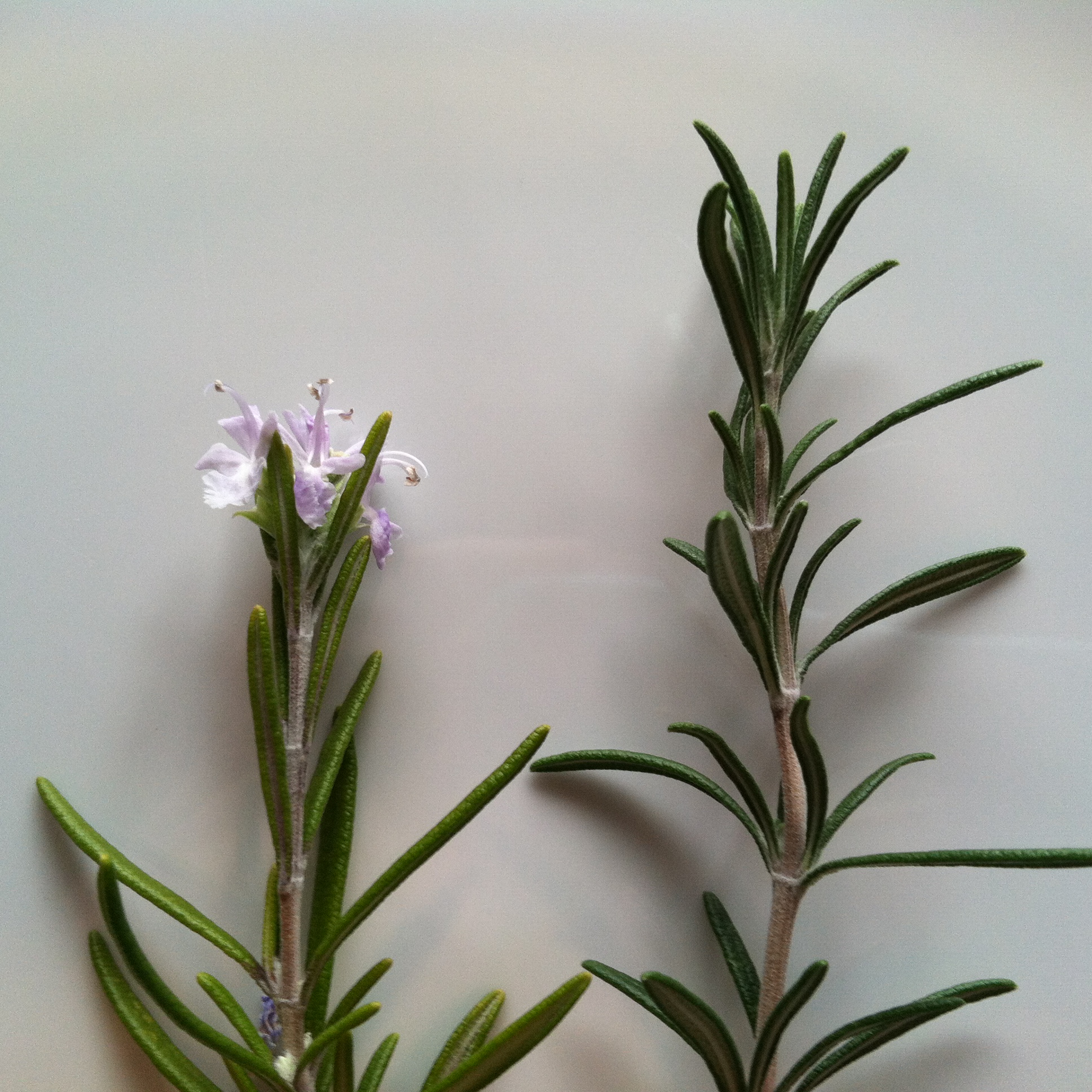
Throughout the whole summer my potted rosemary plants soak up the warm sun, and when the days start to grow cold, I bring them indoors to make it through the winter. The sight of their dark, resinous leaves cheers me and often I’ll wind their stems into holiday wreaths. In the absence of pine or fir boughs, rosemary is a beautiful and fragrant alternative.
Like last month’s cardamom, rosemary (Rosmarinus officinalis) is another herb that tends to be more common on the dinner plate than in the medicine cabinet. Certainly it is delicious added to potatoes or roasted meats, and its use is famous in the kitchen due to its excellent digestive properties. However, beyond its practical culinary uses, there’s more to rosemary than its pungent aroma and unique flavor…
By Steph Zabel
Herbalist, Ethnobotanist and Educator
Throughout the whole summer my potted rosemary plants soak up the warm sun, and when the days start to grow cold, I bring them indoors to make it through the winter. The sight of their dark, resinous leaves cheers me and often I’ll wind their stems into holiday wreaths. In the absence of pine or fir boughs, rosemary is a beautiful and fragrant alternative.
Like last month’s cardamom, rosemary (Rosmarinus officinalis) is another herb that tends to be more common on the dinner plate than in the medicine cabinet. Certainly it is delicious added to potatoes or roasted meats, and its use is famous in the kitchen due to its excellent digestive properties. However, beyond its practical culinary uses, there’s more to rosemary than its pungent aroma and unique flavor…
This little herb can help to break down fatty foods, increase the metabolism, and also support the liver. So it goes without saying that rosemary is a plant we could all benefit from during the food-laden holiday season. It also has a marked warming and stimulating effect, and over time it can even improve circulation throughout the whole body. This makes it a wonderful herb for people who tend to have cold extremities and need some circulatory support (especially in New England winters.)
I also find it useful for feelings of lethargy – try a cup of hot rosemary tea when you feel tired and sluggish.
Rosemary has a very special affinity for the head. I use it – and recommend it – as an infusion for headaches, especially for people who are prone to headaches caused by stress. Even just smelling rosemary essential oil may help ease the ache.
Folklore states that it will also support and increase hair growth. Add a few drops of rosemary essential oil to olive oil and rub on the scalp, or do an old-fashioned hair rinse with rosemary tea. The stimulating property of rosemary is said to re-invigorate hair follicles so that new growth occurs. Even modern day hair treatments continue to use rosemary extract as an ingredient.
Rosemary can increase cognitive function when used over time and has attracted clinical interest as a preventative to Alzheimer’s disease. This could be in part due to its high antioxidant content. Rosemary supports brain function, helps us retain information, and stimulates memories. Often when I study or am hunkered down doing intense work, I will keep a bottle of rosemary essential oil nearby to smell at intervals. Indeed, for ages rosemary has been a reoccurring symbol of remembrance. Can you recall Ophelia’s line in Hamlet?... “There’s rosemary, that’s for remembrance. Pray you, love, remember.”
During this holiday season, may we all remember this wonderful herb’s invigorating properties that support our digestion, boost our circulation and stimulate our mind!
INVIGORATING TEA BLEND
For an energizing pick-me-up, mix together equal parts of:
Rosemary
Spearmint
Holy Basil
Steep 1 Tblsp. of this blend per mug of hot water for at least 10 minutes. Strain and sip, adding honey if desired.
ROSEMARY INFUSED OLIVE OIL
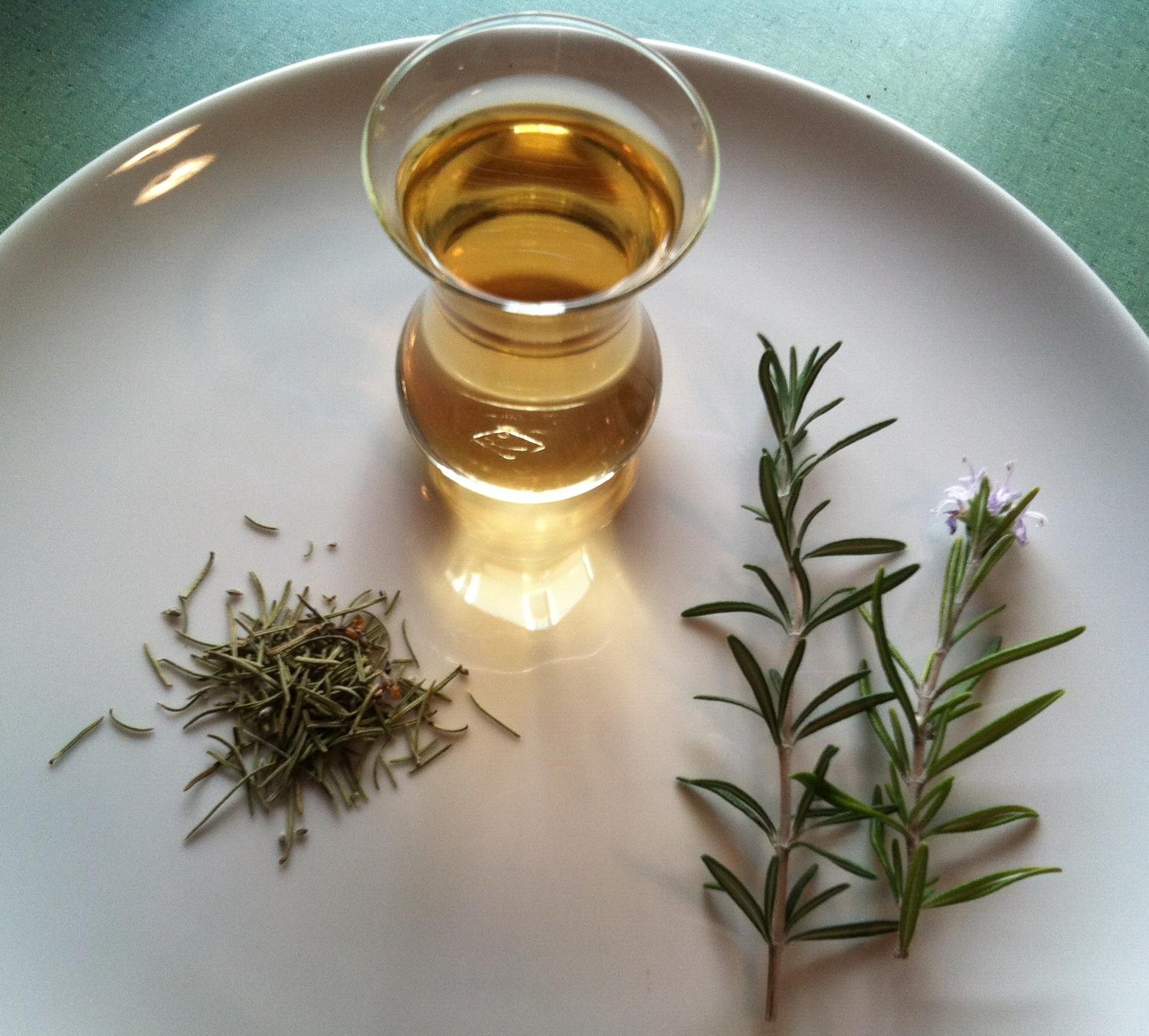
For this recipe it is important to use dried rosemary rather than fresh. Since fresh herbs contain water there is a much greater change of the oil spoiling. To avoid any mold and unpleasant results, please use only dried rosemary for this recipe!
Place 3-5 tablespoons of dried rosemary leaves in an 8 oz. glass jar. Cover with organic olive oil, filling the jar to the top. Stir, cover and label your jar with the date and ingredients. Shake daily, letting the herbs infuse in the oil for at least 2 weeks. When it has reached the desired flavor, strain out the rosemary and store in clean, tightly capped glass bottles.
Use this oil on roasted vegetables, for dipping bread, on salads, or pasta. Poured into a pretty bottle it makes a lovely holiday gift!

Steph Zabel is an herbalist and educator based in Somerville, MA who helps urban dwellers connect with the plant world. She teaches herbal classes, is available for individual consultations, and is also the founder of HERBSTALK, a community herbal conference. Learn more about her work at: www.flowerfolkherbs.com and www.herbstalk.org.
References:
http://umm.edu/health/medical/altmed/herb/rosemary
http://www.botanical.com/botanical/mgmh/r/rosema17.html
http://www.ncbi.nlm.nih.gov/pubmed/20377818
Wood, Matthew: The Earthwise Herbal
Chevallier A. The Encyclopedia of Medicinal Plants . New York, NY: DK Publishing, 1996.
Cardamom: Grains of Paradise
By Steph Zabel
Herbalist, Ethnobotanist and Educator
Now that cooler days are upon us, it is time to bring out the spices! Cardamom is one of my all-time favorites and makes a grand entrance in my kitchen as soon as fall arrives. I am not alone in my love of this little green pod -- for ages cardamom (Elettaria cardamomum) has been one of humankind’s most well-loved spices, used in cuisines and materia medicas around the world.
By Steph Zabel
Herbalist, Ethnobotanist and Educator
Now that cooler days are upon us, it is time to bring out the spices! Cardamom is one of my all-time favorites and makes a grand entrance in my kitchen as soon as fall arrives. I am not alone in my love of this little green pod -- for ages cardamom (Elettaria cardamomum) has been one of humankind’s most well-loved spices, used in cuisines and materia medicas around the world.

A close cousin to ginger and turmeric (all in the Zingiberaceae family), cardamom is originally from the forests of southern India where it grows wild. It is now cultivated in tropical areas throughout the world. Beloved in many cultures, and often called “Grains of Paradise,” cardamom is one of the world’s most expensive spices, third after saffron and vanilla.
The use of cardamom has been documented as far back as the 4th century BC. Because of its sweet and pungent flavor, cardamom was the favored tooth cleanser and breath freshener of the Egyptians, who used it for dental hygiene. The Greeks and Romans had their own use for this spice and included it in their perfume formulations. (To this day cardamom is still a popular ingredient in many fine perfumes.) Even the Vikings cherished this small pod for its scent and flavor and ended up introducing it into Scandinavia, where it remains as a key ingredient in many pastries and cookies. In the Middle East and India, cardamom is an essential spice in many traditional dishes, used in curries, sweets, coffee and tea.
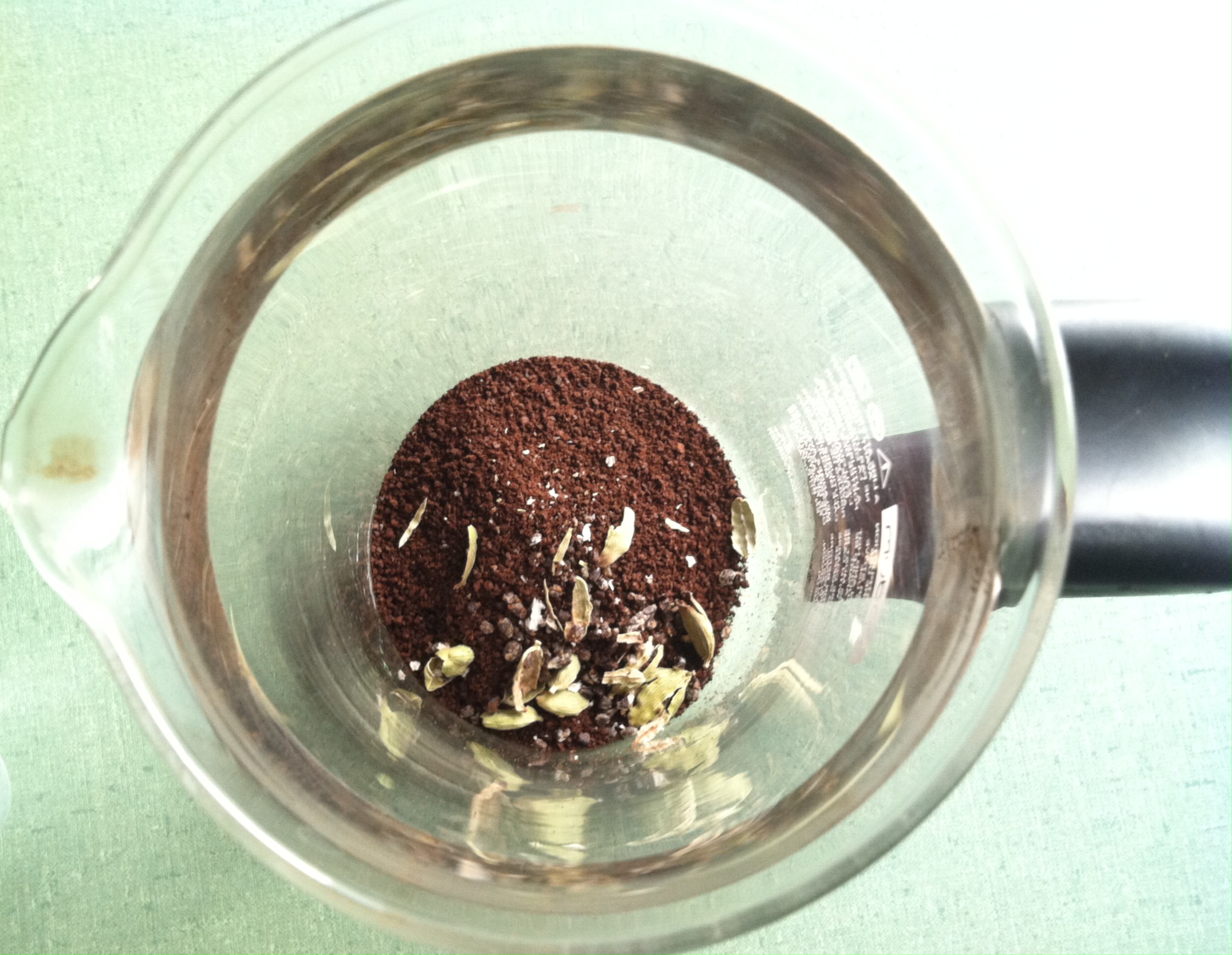
Cardamom and coffee grounds
Historically, cardamom has been used as an aphrodisiac. Indeed, modern research has found it beneficial in the treatment of sexual dysfunctions such as impotence. The seed pod is also a mood elevator and has been found to be valuable in overcoming depression. I find that simply smelling a crushed cardamom pod can be uplifting. This is a good herb (or essential oil) to keep on hand during dark New England winters.
Cardamom is perhaps most famous as a stomachic and carminative herb, helping to calm digestive upsets and to promote and balance gastric juices. Ayurvedic doctors regarded it as a treatment for obesity, perhaps relying on its stimulating properties that move sluggish digestion. Modern practitioners use it for similar purposes to tone and support the digestive system. With the holidays coming up, including cardamom in dishes or beverages can certainly make big meals more festive and better digested.
How to use:
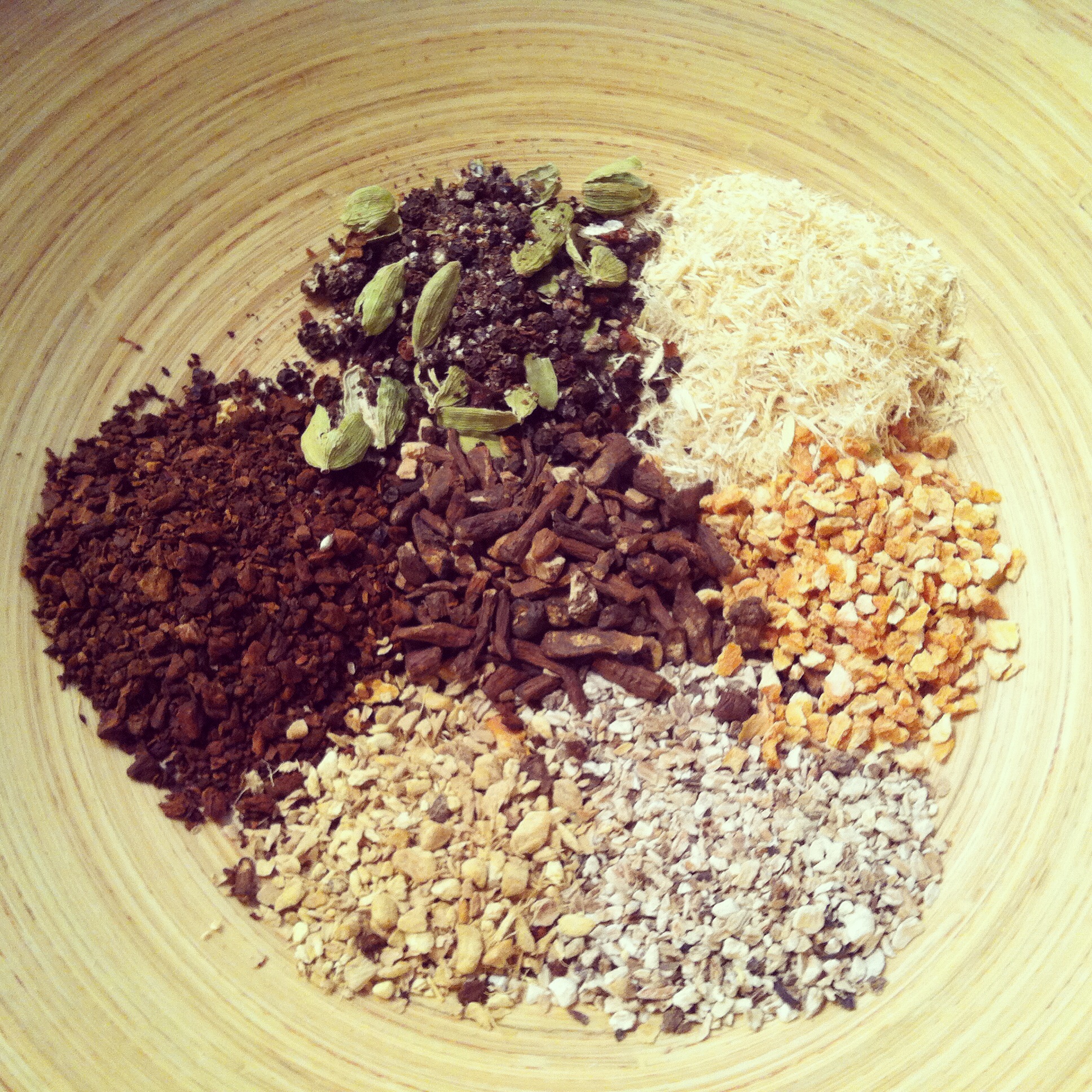
There are many delicious ways to use cardamom. Beyond its traditional usage in both savory and sweet dishes, cardamom is an essential addition to any chai tea blend. One of my favorite ways to make chai is with the following recipe that I have developed over several cold winters:
6 cardamom pods
6 cloves
1 tsp. black peppercorn
1-2 tsp. dried ginger root (depending on how spicy you like it)
1 tsp. dried orange peel
1/2 Tblsp. cinnamon bark (sweet or cassia)
1 Tblsp. burdock root
1 Tblsp. roasted dandelion root (roasted will yield a deeper, darker flavor)
1 Tblsp. roasted chicory root
1 Tblsp. astragalus root
First, grind together the cardamom, cloves and peppercorn in a mortar and pestle. This will help their flavor be dispersed throughout the whole tea. Combine these crushed pieces with the remaining ingredients and mix thoroughly. This will make about 5-6 servings of tea.
Chai recipe
To brew the tea, add up to 1 Tblsp. of the chai blend per two cups of water in a small saucepan. Bring everything to a boil, then lower the heat and let it simmer covered at for least 20 minutes. Just be sure to keep an eye on the water level and don't let it evaporate too much. When it is as dark and spicy tasting as you would like, strain out the roots and add milk and honey to taste.
If this recipe seems too complicated, just try adding a few crushed cardamom pods to your black tea or coffee for a special treat.
You can also infuse cardamom in honey for something truly special. Add this honey into your coffee for an aromatic start to your day, or drizzle over desserts. Making an infused honey is simple:
Fill a small jar ¼ to ½ full of crushed cardamom seeds. Cover with honey, cap tightly and let sit for 2 to 6 weeks. I like to turn my honey jar upside down every few days so that the herb material can slowly move back and forth through the honey rather than congregate all at the top. To remove the cardamom (which is optional) you can gently heat the jar in a small water bath on the stove. Be careful not to heat the honey too much, just until it is runny enough to pour through a sieve.
Steph Zabel is an herbalist and educator based in Somerville, MA who helps urban dwellers connect with the plant world. She teaches herbal classes, is available for individual consultations, and is also the founder of HERBSTALK, a community herbal conference. Learn more about her work at: www.flowerfolkherbs.com and www.herbstalk.org.
References:
Lad V. and Frawley D. (1986). The Yoga of Herbs. Lotus Press.
Chevallier, A. (2000). Encyclopedia of Herbal Medicine. Dorling Kindersley.
Wood, M. (2008). The Earthwise Herbal: A complete guide to old world medicinal plants. North Atlantic Books.
This Web site — Herbs and Botanicals — is for general health information only. This Web site is not to be used as a substitute for medical advice, diagnosis or treatment of any health condition or problem. Users of this Web site should not rely on information provided on this Web site for their own health problems. Any questions regarding your own health should be addressed to your own physician or other healthcare provider.
Schisandra: The (Flavorful!) Berry That Does It All
By Steph Zabel
Herbalist, Ethnobotanist and Educator
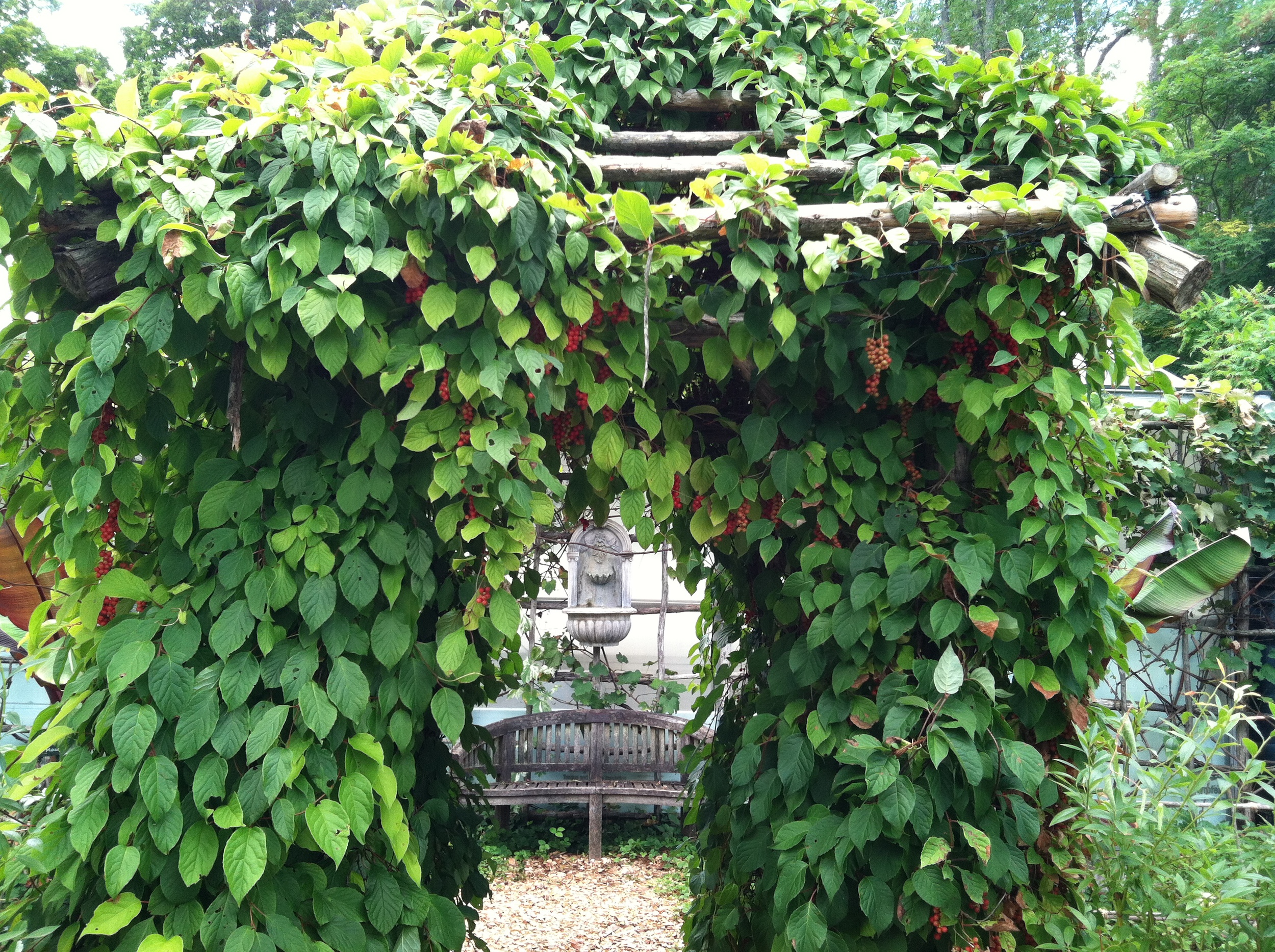
Schisandra (Schisandra chinensis) is a somewhat obscure herbal medicine that many people have never heard of before. Although it is indeed a relative newcomer to the Western herbalist’s pharmacopeia, it has been known, used, and loved by traditional Chinese herbal practitioners for thousands of years. A native of Asia, schisandra is a woody vine that produces bright red fruits at the end of summer; these fruits are then harvested and utilized for their extensive medicinal properties.
But before we get into the historical uses of the unique schisandra berry, let’s talk about its taste…
As I write this I am chewing on several dried berries and it’s as if a thousand sour fireworks went off in my mouth. Whew! To say that this plant is extremely flavorful is an understatement! I can taste the acutely sour and bitter notes as well as a peppery pungent taste.
The Chinese call it wu wei zi or “fruit of five flavors”, noting that schisandra incorporates all of the five tastes (sour, salty, bitter, sweet and pungent). Because of this distinctive quality it was thought to be an especially important tonic medicine.
In classes I always remind my herbal students that a good way to become better acquainted with a new herb is to tune into its taste. Although we may not realize this simple fact, our taste buds can actually give us a lot of important information about a plant, i.e., how potent it is and how it could make us feel.
Schisandra is a great example of how our tongue can give us clues about a plant’s action in the body. For instance, when I taste a few dried schisandra berries I immediately feel more awake and invigorated. The intense and sour taste is incredibly stimulating to my tongue (and, for lack of a better word, is very zing-y).
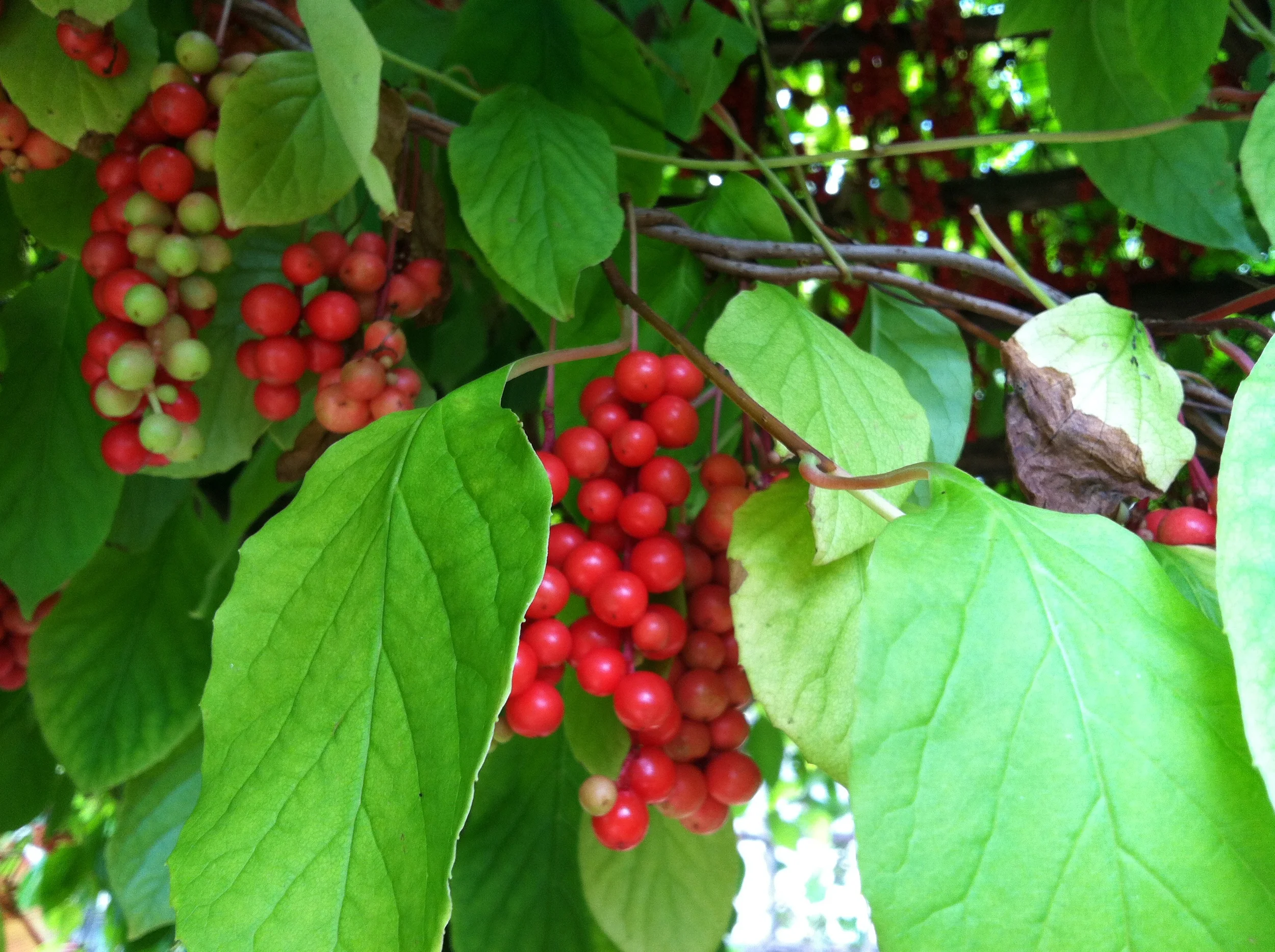
It also clears away all other tastes and leaves my palate feeling cleansed. You can imagine that if this tart, little berry has such an invigorating and clearing effect on the tissues of the tongue, that it might have a very similar action on the rest of the body’s tissues and organs…
Which indeed it does, according to traditional Chinese medicine where schisandra has been an important tonic herb for centuries – used to prolong life, slow the aging process, and increase stamina and energy levels. It was also believed that when used consistently over time, schisandra berry would cause one’s physical appearance to remain youthful.
Scientific studies have validated the age-old regard for this plant, confirming that schisandra can help to reduce fatigue and also support mental concentration. Try chewing on a few dried berries or drinking the tea when you need to study for long periods of time or do focused work. The taste stimulates the mind and helps to keep your concentration steady and focused.
Schisandra is also known as an adaptogenic herb, meaning that it helps to reduce mental and physical stress, increase energy, and enhance physical performance when taken over time. Not surprisingly, these qualities make it a great herb for athletes as it helps to increase endurance.
However, even if you aren’t an athlete but want to improve your overall energy levels, schisandra can be beneficial. Even better, like many deeply colored berries, schisandra contains many protective antioxidants that help to maintain healthy cells throughout the body and reduce inflammation.
Finally, another wonderful virtue of this plant is that it supports the liver. Schisandra is a hepatoprotective (liver-protective) herb. It also exerts a gentle detoxifying action – remember how it makes your palate feel refreshed and cleansed? It has this same purifying effect for the liver, too.
How to use:
To make schisandra berry tea at home, simmer 1 to 2 tbsp. of the dried berries in 2 cups of water in a small, covered saucepan for 15 to 20 minutes. This will yield a much more medicinal and flavorful cup of tea than simply pouring boiled water over the herb.
Try using schisandra tea as an unconventional, but very effective, coffee alternative for an early morning jumpstart, or a caffeine-free energy boost in the afternoon.
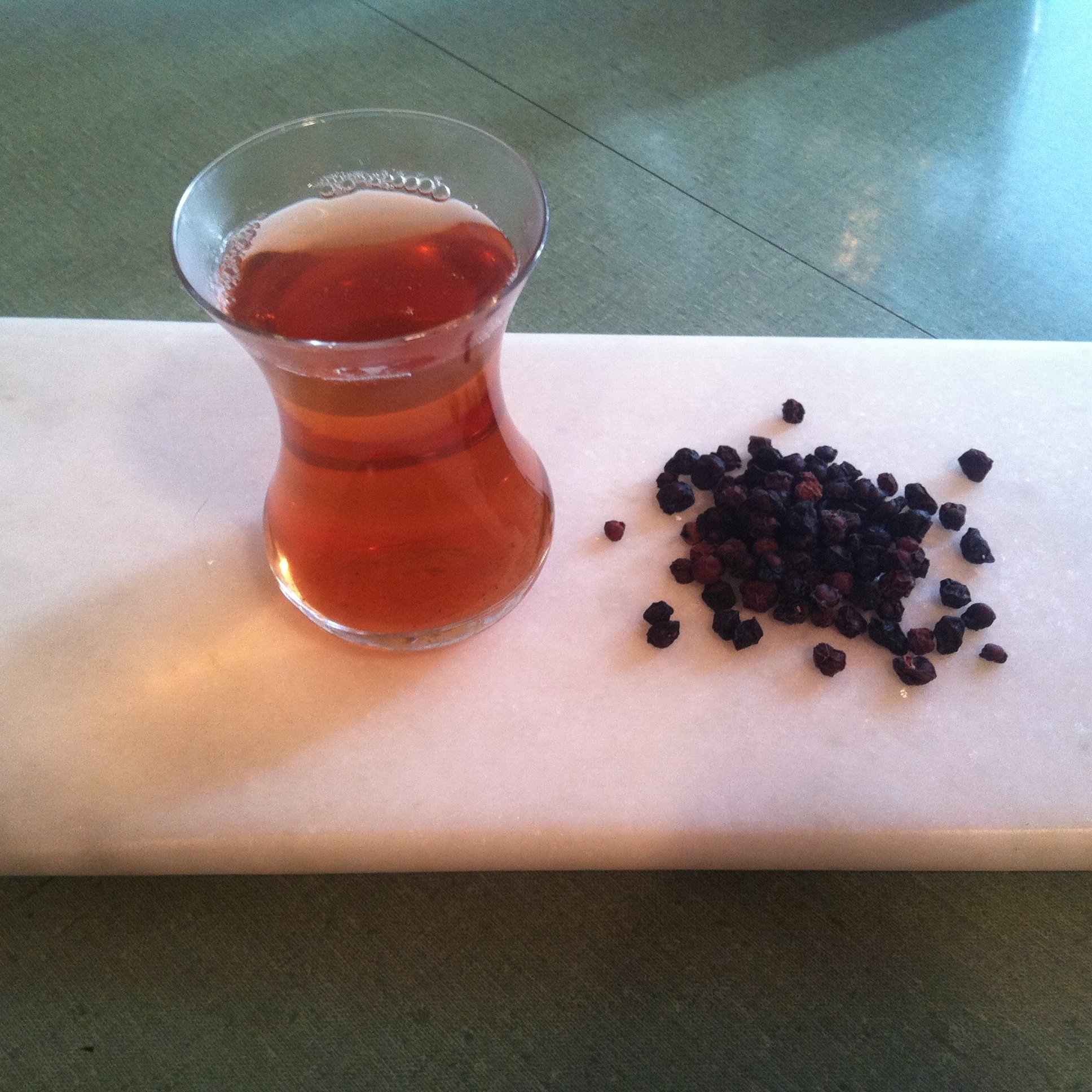
As mentioned in last month’s post, schisandra blends well with other herbal fruits such as hawthorn, elderberry and rosehips. You can also try substituting schisandra berry in any tea blend that would call for hibiscus.
Schisandra is also readily available in tincture form, which is convenient when you aren’t able to make a cup of tea.
Or, just chew on a few dried berries to reap schisandra’s benefits: start with one or two and work your way up.
Steph Zabel is an herbalist and educator based in Somerville, MA who helps urban dwellers connect with the plant world. She teaches herbal classes, is available for individual consultations, and is also the founder of HERBSTALK, a community herbal conference. Learn more about her work at: www.flowerfolkherbs.com and www.herbstalk.org.
References:
http://www.sciencedirect.com/science/article/pii/S037887410800216X
http://www.drugs.com/npp/schisandra.html
http://www.ncbi.nlm.nih.gov/pubmed/24944771
http://www.mediherb.com.au/pdf/6056_AU.pdf
http://cms.herbalgram.org/herbclip/pdfs/011007-185.pdf
Chevallier A. The Encyclopedia of Medicinal Plants . New York, NY: DK Publishing, 1996.
This Web site — Herbs and Botanicals — is for general health information only. This Web site is not to be used as a substitute for medical advice, diagnosis or treatment of any health condition or problem. Users of this Web site should not rely on information provided on this Web site for their own health problems. Any questions regarding your own health should be addressed to your own physician or other healthcare provider.
Hawthorn: Herb of the Heart
Crataegus laevigata and related species
Rosaceae Family
By Steph Zabel
Herbal Education and Consultations
Somerville, Cambridge & Boston, MA
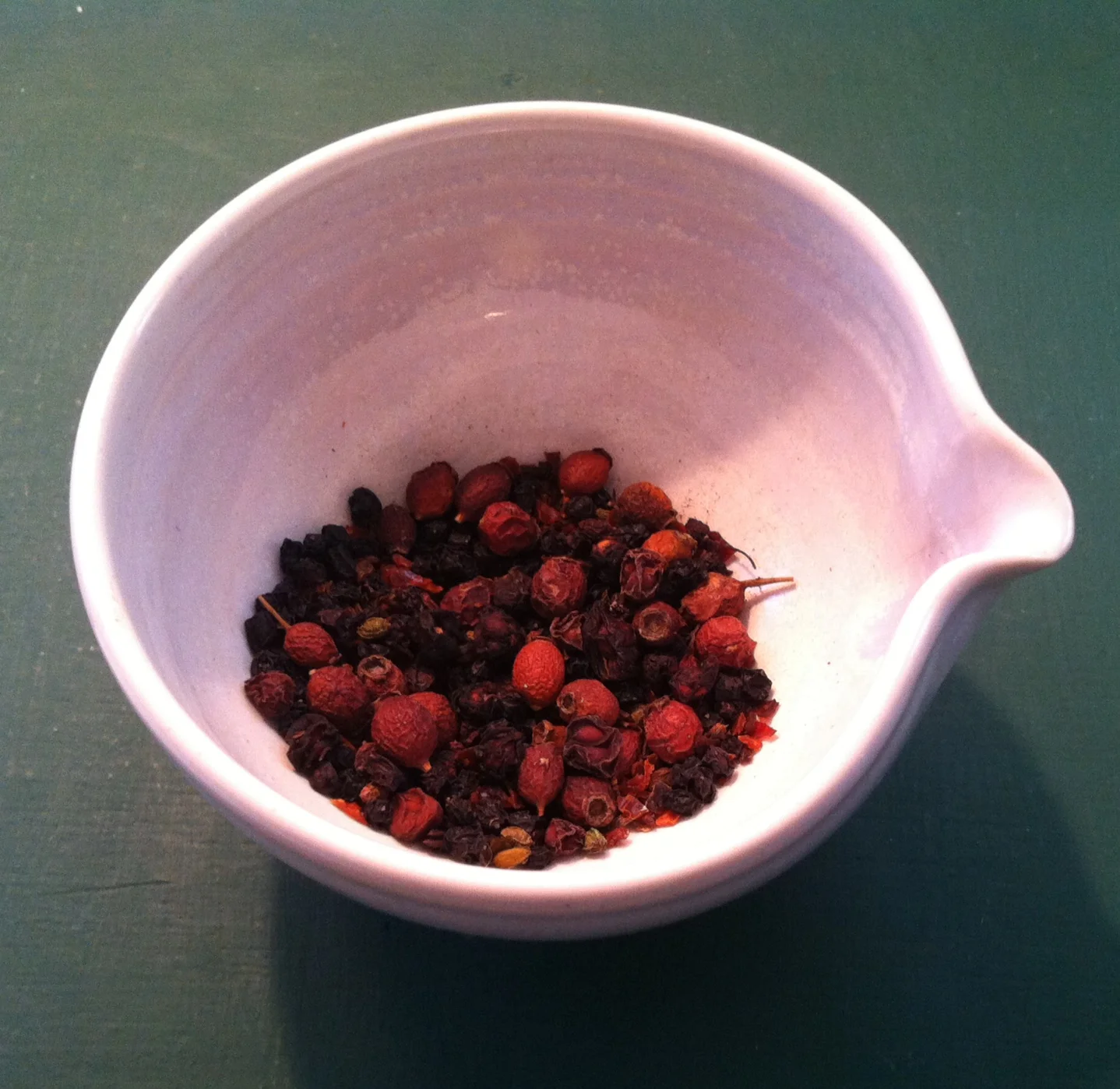
Hawthorn tea is one of my favorite and most comforting beverages – it is mellow and gentle, and seems especially fitting for the transitional time of early fall. If you are lucky enough to live near one of these beautiful trees, be sure to keep an eye out for the red-hued berries that resemble tiny apples. Currently these berries, or “haws”, are ripening and will soon be ready for harvest.
Crataegus laevigata and related species
Rosaceae Family
By Steph Zabel
Herbal Education and Consultations
Somerville, Cambridge & Boston, MA
Hawthorn tea is one of my favorite and most comforting beverages – it is mellow and gentle, and seems especially fitting for the transitional time of early fall. If you are lucky enough to live near one of these beautiful trees, be sure to keep an eye out for the red-hued berries that resemble tiny apples. Currently these berries, or “haws”, are ripening and will soon be ready for harvest.
Hawthorn has been prized by herbalists for centuries and is in fact one of the oldest continually used plants in Western herbal medicine.
It is renowned as an important cardiac tonic, imparting a strengthening and protective effect on the heart. When used over time hawthorn strengthens the myocardium muscle, and improves overall cardiac tone and function.
In traditional herbal medicine it was used for a variety of cardiac issues ranging from heart palpitations to abnormal blood pressure to congestive heart failure (commonly called dropsy in the past). It is also believed to reduce the likelihood of a heart attack by decreasing plaque formation in the arteries.
Herbalists use hawthorn to improve blood flow to the heart and to increase overall circulation throughout the body. Additionally, its high antioxidant content naturally protects the heart from any oxidative damage.
Beyond its action on the physical heart hawthorn also has a special affinity for the emotional heart. It can be used to bring comfort during times of loss, grief and heart-break. Hawthorn soothes a saddened heart and provides gentle support during stress and overwhelm. It is one of the best herbs I know of for a tender or troubled heart.
Hawthorn can be used in many different forms. A simple decoction of the dried berries yields a delicious, mellow tea that is soothing to drink (see recipe below). Or, an infusion of the dried leaves and flowers can be made just as you would brew any leaf tea. You can also use the liquid tincture by the dropper-full or the solid extract of hawthorn in paste form.
With its balancing, strengthening and protective action on the heart, hawthorn is a lovely addition for any home apothecary cabinet. Its gentle action makes it safe for long-term use and its taste makes it palatable to all tea drinkers.
Hawthorn Decoction (a simmered tea)
Add 1 Tblsp. of dried hawthorn berries to 1 pint of water and bring to a boil in a small saucepan. Turn down the heat to a simmer, cover, and let gently bubble away for 15 to 20 minutes to yield a medicinal tea. Strain and drink.
Autumn Berry Tea
2 tsp. hawthorn berries
2 tsp. elderberries
2 tsp. rosehips
1 tsp. schisandra berries
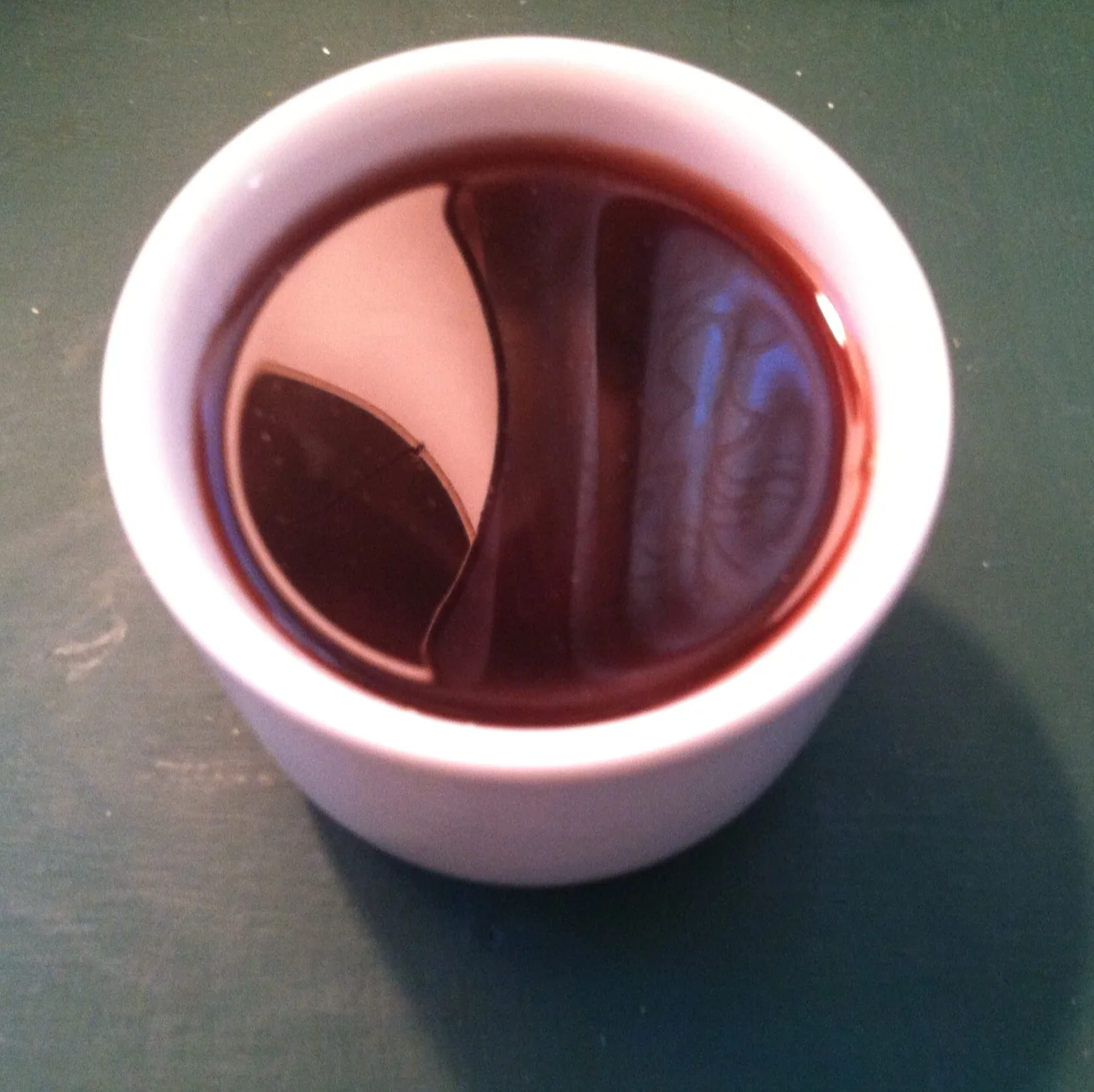
Mix all the herbs together and add to 1 quart of water in a small saucepan. Bring to a boil then lower heat to a gentle simmer. Let simmer covered for 20 minutes, then strain and drink. This makes a slightly tart berry tea that is full of antioxidants and vitamins, wonderful for supporting immunity during the fall season. Consider adding 1 tsp. of cinnamon chips and/or ginger root for a spicier, warming brew.
Steph Zabel, herbalist and educator works in Somerville, Cambridge & Boston, MA. She teaches herb classes, is available for individual consults and runs the wildly popular annual event known as HERBSTALK. This event draws herbalists and others from all over New England for 2 days of workshops, education and an herbal marketplace. Her contact info and HERBSTALK info can be found at: www.flowerfolkherbs.com.
Article sources:
http://cms.herbalgram.org/expandedE/Hawthornberry.html?ts=1409061841&signature=9fdb365285c7519b7a79c0cb06e657ab
http://www.ncbi.nlm.nih.gov/pmc/articles/PMC3249900/
http://www.aafp.org/afp/2010/0215/p465.html
http://www.smart-publications.com/articles/hawthorn-the-safe-heart-tonic-that-improves-blood-supply-to-the-heart
http://www.methowvalleyherbs.com/2010/04/hawthorne-for-this-little-heart-of-mine.html
This Web site — Herbs and Botanicals — is for general health information only. This Web site is not to be used as a substitute for medical advice, diagnosis or treatment of any health condition or problem. Users of this Web site should not rely on information provided on this Web site for their own health problems. Any questions regarding your own health should be addressed to your own physician or other healthcare provider.