
The Naturalist Blog
*
The Naturalist Blog *
Elderberry: The Queen of Herbs
By Steph Zabel
Herbalist, Ethnobotanist and Educator
Elderberry is one of those herbs that has become wildly popular in recent years. Each winter I find that more and more people are turning to this wonderful plant for its immune strengthening virtues.
In fact, it is not uncommon to find elderberry frequently out of stock in cold and flu season. Those in-the-know get their hands on the dried berry by the time fall rolls around!
By Steph Zabel
Herbalist, Ethnobotanist and Educator
Elderberry is one of those herbs that has become wildly popular in recent years. Each winter I find that more and more people are turning to this wonderful plant for its immune strengthening virtues.
In fact, it is not uncommon to find elderberry frequently out of stock in cold and flu season. Those in-the-know get their hands on the dried berry by the time fall rolls around!

There are a several species of elder that you will see used interchangeably, but the two most commonly found in these parts are Sambucus nigra and S. canadensis. Elder grows as a shurb or a small tree, producing beautiful, cream-colored flowers in the summer.
Around Boston you will notice an abundance of flowering elders in June, especially along highway roadsides. They are simply beautiful. These delicate flowers develop into juicy, dark purple berries towards the end of summer. Please note that although some people do consume raw, fresh elderberries, if eaten in large quantities they can make you feel nauseous. I always recommend using dried or cooked elderberries.
Elder is one of the most treasured herbs of the herbalist’s materia medica, and for hundreds of years has been deemed “nature’s medicine chest” for its myriad beneficial applications. In Europe, elder was believed to hold such great power that it was thought that if a sick person were to simply touch an elder tree they would be healed. It is certainly one of the oldest and most popular plants of European herbalism, commonly planted in gardens, and a beloved staple of most homes.
Today elder is most highly regarded for its ability to address colds and flu. Modern research shows that elderberry can kill many strains of influenza, and shorten the duration of illness by stimulating the immune system. Elder can also help reduce upper respiratory congestion and swelling of the mucous membranes.
Elderberries make a dark colored tea, due to its rich flavanoid content. Flavanoids – present in many berries and fruits – possess wonderful antioxidant properties that can help prevent damage to the body’s cells. Elderberries are also high in Vitamins A and C, and traditional herbal medicine considers them to be very blood-building, often used in anemic conditions.
Elderflowers are used in a slightly different way: as a diaphoretic herb they help to reduce fever. Used as a tea elderflowers can strengthen the circulation, bring blood to the surface of the skin, and open the pores so that heat is released.
The flowers are also used in beauty preparations and are said to soften and rejuvenate the skin. I often do an old-fashioned facial steam with a blend of elderflowers and rose petals to help my skin stay healthy and toned.

Commonly called the Elder Mother in Europe, there is much folklore that surrounds this tree. The spirit of the elder was thought to be the queen of the underworld and has always been associated with fairies and the hidden realm. Elder branches were once commonly hung over doorways to protect a house from evil. The Celts made flutes from hollowed-out elder stems to communicate with the dead, and it was used by many cultures as magic wands, whistles and pipes. (Interestingly, the genus name Sambucus refers to an ancient type of musical instrument.)
How to Use:
To make a strong elderberry tea, the dried berries need to be gently simmered rather than steeped like most tea. To do so, add 1 Tblsp. of dried berries to 2 cups of water. Gently simmer for 15 to 20 minutes, in a small covered pot; then strain and drink. Elderberry tea can be simmered like this on its own, but also mixes well with other herbs such as rosehips, cinnamon and/or ginger for a delicious beverage.
Or, to make a classic herbal remedy, try your hand at the following elderberry syrup recipe:
Simple Elderberry Syrup
1 cup dried elderberries
1 teaspoon dried ginger root
1 tablespoon dried cinnamon chips
4 cups water
1 cup local honey
1/2 cup brandy
- Create a strong tea (decoction) by slowly simmering the elderberries and spices in the water. Let the water content reduce by half, which may take an hour or more. Keep an eye on the pot and make sure the water does not evaporate too much - if needed, add another cup of water.
- Strain and discard the herbs from the liquid.
- Measure your remaining liquid. If you started with 4 cups of water, you should have 1.5 to 2 cups of liquid left. Add 1 cup of honey. You can adjust the amount to your taste, and preference for consistency. (If you want a thicker, sweeter syrup, add more honey.)
- After adding the honey, cook on very low heat until just combined, usually just a minute or two. When using honey (especially raw honey) you want to be careful with the amount of heat you use.
- Remove from the heat and let cool. At this point your syrup can be considered finished, but if you would like extra preservative properties for a longer shelf life, add 1/2 cup brandy. Mix thoroughly.
- Pour into clean glass bottles, label it with the ingredients and date, and refrigerate. The syrup will keep for several months when preserved with brandy and stored in the fridge.
Options: You could also add other spices such as cloves, cardamom or orange peel to this recipe. I also like to add in a small amount of dried rosehips for added Vitamin C content. Use this basic recipe as a starting point and let your creative juices flow!
Take 1-2 tablespoons a day for preventative measures and to keep your immune system going strong. This syrup is also delicious added to teas (or hot toddies!), or as a special garnish on desserts. Enjoy!

Steph Zabel is an herbalist and educator based in Somerville, MA who helps urban dwellers connect with the plant world. She teaches herbal classes, is available for individual consultations, and is also the founder of HERBSTALK, a community herbal conference. Learn more about her work at: www.flowerfolkherbs.com and www.herbstalk.org.
References:
Wood, Matthew: The Earthwise Herbal
Chevallier A. The Encyclopedia of Medicinal Plants . New York, NY: DK Publishing, 1996.
http://www.plantsinfrance.com/2013/09/elderberry-herbal-medicine.html
http://umm.edu/health/medical/altmed/herb/elderberry
http://www.botanical.com/botanical/mgmh/e/elder-04.html
http://www.wildmanstevebrill.com/Plants.Folder/Elderberry.html
Jessica's Gifts For All Five Senses!
In the dark, dreary months of winter, we tend to crave things that intrigue our five senses - sight, sound, touch, taste and smell. Flavorful, hearty food and drinks, warm and cozy sweaters, the pungent smell of christmas trees and candles to fill our homes. That's why items that delight the senses make especially wonderful holiday gifts - Jessica has put together a list of her favorite sensory gift ideas!
In the dark, dreary months of winter, we tend to crave things that intrigue our five senses - sight, sound, touch, taste and smell. Flavorful, hearty food and drinks, warm and cozy sweaters, the pungent smell of christmas trees and candles to fill our homes. That's why items that delight the senses make especially wonderful holiday gifts - Jessica has put together a list of her favorite sensory gift ideas!
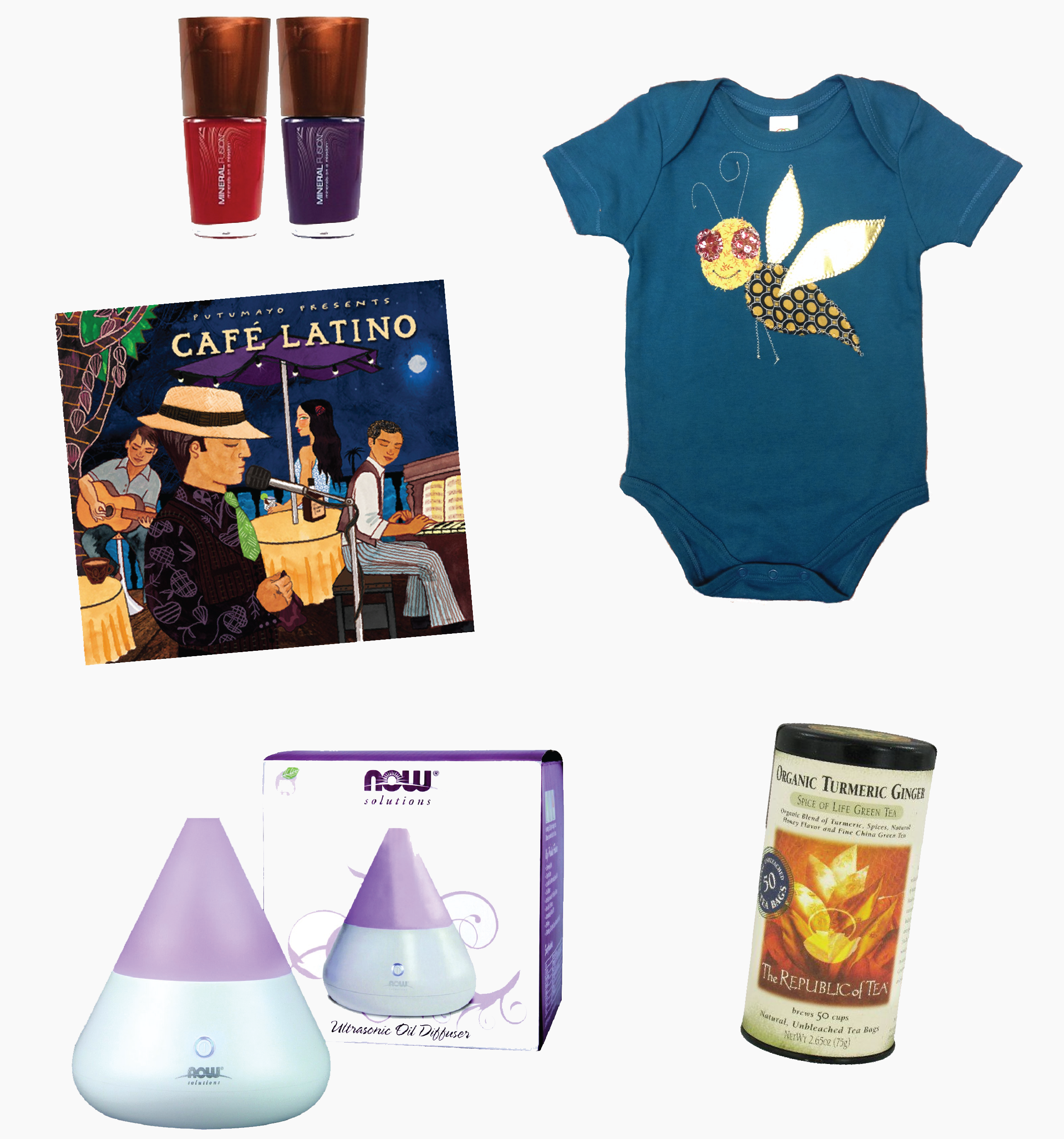
SIGHT - Mineral Fusion Nail Polishes
I absolutely adore these nail polishes - with over 50 shades to choose from, there's definitely a color (or more!) for everyone. Mineral Fusion polishes are an alternative to traditional nail polish in that they are free of all the icky stuff (like formaldehyde, ew!) And it doesn't end there - every Mineral Fusion Nail Polish is free of gluten, parabens, SLS, phthalates, artificial colors and synthetic fragrances! From their commitment to environmental sustainability (utilizing wind power, soy inks, and packaging from recycled materials) to their contributions to social wellbeing, to partnering with the National Coalition Against Domestic Violence to support women in need, Mineral Fusion is just a really awesome company. As a self-proclaimed feminist, this partnership is particularly important to me. Many of the strong women in my life will be getting these polishes as gifts this year!
SOUND - Putumayo World Music CDs
Putumayo albums and songs hold a special place in my heart – the first health food store I ever worked in had Putumayo playing all day from open to close. Putumayo CDs are compilations of awesome international music that I really believe supports the company’s motto: “Guaranteed to make you feel good!” Putumayo World Music was established in 1993 to introduce people (including children) to the music of the world’s cultures. I’ll be giving these CDs as gifts this year because they’re not only uplifting to listen to, but they’re beautiful to look at! The gorgeous artwork of British illustrator Nicola Heindl is featured on the CD covers. It's a perfect addition to any world music library – or a great introduction to world fusion. Plus, they've contributed more than one million dollars to non-profit organizations around the world. It’s the perfect gift for any and every one!
TASTE - Republic of Tea
Who doesn’t love to snuggle up with a warm beverage this time of year? Not only can you gift your loved ones with a delicious cup of tea, but one that is also socially and environmentally responsible! The Republic of Tea offers a line of beautifully packaged, nourishing teas that support worthy organizations, including the Prostate Cancer Foundation, Sunny Hills Services and Room to Read, and they're a member of The Ethical Tea Partnership. The specially designed tins contain signature round, unbleached tea bags, free of unnecessary envelopes, strings, tags or staples that not only make sense, but are pleasing to the eye! I know I’ll be gifting many of The Republic of Teas array of flavors, paired with an IamTra positive intentions mug this year!
TOUCH - Bianca Baader Infant Onesies
I am in love with the Bianca Baader onesies – I wish I could wear them myself! Though I suppose the next best thing would be giving them as gifts this holiday season! Luckily, two good friends of mine recently became first time mommies, so I’m truly excited to pick out a funky one-of-a-kind onesies for their littles! The shirts are 100% cotton American Apparel shirts (made sweat shop free in the US) that are appliqued with different “things” - animal, fairy tale creature, letters, object or flowers. Bianca Baader, a mother of two young girls, works from her home in Cambridge, Massachusetts.
SMELL - Now Ultrasonic Diffuser
I’ve had my diffuser for over a year now and I’m still just as obsessed with it as I was on day one. I gifted two last year, and those two friends have had equally great experiences with theirs! So here’s the scoop: “it’s an attractive, essential oil diffuser that uses high-frequency ultrasonic electrical vibrations to create an ultra-fine aromatherapy mist.” This means that there’s no heat involved (cool stream), and since it shuts off automatically (runs for up to 8 hours!), you can “set it and forget it” with no worries! It’s also extremely quiet, which makes it perfect for studying or even sleep. Six rotating LED Lights can be paused (on your favorite color!) or shut off completely. Plus it’s BPA free! I think this diffuser is perfect for daily and year-round use and is a healthy alternative to synthetic room fresheners and scented candles.
Eating with the Season: Bring Bitters to your Table
by Guido Masé RH (AHG) – Chief Herbalist, Urban Moonshine
Have you noticed that, when the seasons change, our food preferences change too? It’s a bit harder to tell now that fixed fast-food menus serve up unchanging fare, but humans have always eaten differently during the colder months. We have more meats, root vegetables, and rich dairy products than in summer when we can indulge in an abundance of fresh fruits and vegetables. In Vermont, hunting season is in November; squash, turnips, onions and potatoes are ready; and farmer’s market features celebratory cheeses and rich canned sauces, jams, pies and sweets. I look forward to this time: it’s more focused on the hearth; it turns us indoors as we come in from the crisp air, and we gather around the family table to spend time with folks we haven’t seen all year.

by Guido Masé RH (AHG) – Chief Herbalist, Urban Moonshine
Have you noticed that, when the seasons change, our food preferences change too? It’s a bit harder to tell now that fixed fast-food menus serve up unchanging fare, but humans have always eaten differently during the colder months. We have more meats, root vegetables, and rich dairy products than in summer when we can indulge in an abundance of fresh fruits and vegetables. In Vermont, hunting season is in November; squash, turnips, onions and potatoes are ready; and farmer’s market features celebratory cheeses and rich canned sauces, jams, pies and sweets. I look forward to this time: it’s more focused on the hearth; it turns us indoors as we come in from the crisp air, and we gather around the family table to spend time with folks we haven’t seen all year.
One of the goals of herbal medicine, and of traditional culture in general, is to help us live more in harmony with these types of seasonal change. There’s good reason for this: it can be hard to adapt to the more hearty fare that’s available in the darker months, and folks sometimes feel sluggish, uncomfortable, and maybe even upset from eating big servings of meat, starchy vegetables, and pie. Add in a gathering of family members, often with wildly divergent interests, and it’s easy to see how disharmony develops.
So what can be done? Some attempt to keep the same food patterns of summer all year long – all raw food, lots of fruits and vegetables – in an attempt to resist seasonal change. As always, there is some wisdom to this: I wouldn’t want to return to the Vermont of yesteryear when winters featured an endless repetition of venison, cabbage, turnips and leeks. But to deny that there’s a change at all seems to echo our obsession with the endlessly regimented 40 hour work week. We cut ourselves off from a whole world of delicious, local, nourishing foods. And this strategy may not contribute to harmony at the family table.
Others support their system using artificial sources of digestive secretions, like enzymes, hydrochloric acid, or bile. This is like driving to your friend’s house, instead of walking or taking a bike. It may get you there, but in the long run won’t make you any more likely to be in harmony with seasonal change. In fact, clients I see who have been taking pills like digestive enzymes for more than a few days have an incredibly difficult time tolerating food without them. Similarly, once you get used to driving somewhere, you’re much less likely to bike. And I guarantee your body will suffer.
Fortunately, it works the other way too: try a walk, or a bike ride, and you’ll find it’s not too hard and it makes you feel great! Engaging our bodies always leads to health and harmony, while artificially doing the body’s work for it always makes things worse. That’s why I am so grateful that seasonal change offers an abundance of bitter roots and greens, from gentian to dandelion, frisée and arugula. It is these bitters that herbalists and traditional systems of cuisine use to help our systems respond and enjoy new, heartier, more indulgent fare. Bitters help the body secrete its own digestive juices so it doesn’t have to rely on artificial sources. Bitters help control sugar cravings and moderate our appetites, so weight gain becomes less of a problem. Bitters are harvested during fall, before the ground freezes, just at the right time to help. It’s like nature is watching out for us: harmony.
When you join your friends and family at seasonal celebrations, bring bitters along. You will be bringing the gift of smooth, healthy digestion and a balanced relationship to sugary treats. And your family is much more likely to recognize bitters as a legitimate addition to the feast: they are traditional this time of year, much more so than a bottle of pills. Folks you love may even share in your gift - bitters are a great conversation piece, they encourage conviviality, and can be home-made. Try some in an after-dinner cocktail to enchant even the most skeptical. When you bring bitters, you encourage an easy transition into heartier fare, all by working with the body, with plants that are ready and available this time of year. This is how it works: wherever there’s food, whenever you’re hungry, think bitters. Your reward – harmony in your belly, and at the family table.
Guido Masé is a clinical herbalist, herbal educator, and garden steward specializing in holistic Western herbalism, though his approach is eclectic and draws upon many influences. Guido works clinically and teaches at the Vermont Center for Integrative Herbalism (vtherbcenter.org), holds the position of Chief Herbalist at Urban Moonshine, is a professional member of the American Herbalists Guild, and is a part of United Plant Savers and the American Botanical Council and author of The Wild Medicine Solution: Healing with Aromatic, Bitter and Tonic Plants --- This article is brought to you by Urban Moonshine, makers of Organic Digestive Bitters in Original, Maple, Citrus and now Chamomile flavor!
What I'm Gifting This Year: Grace
At Cambridge Naturals, we emphasize quality over commodity - bringing in only those products we really love and care about. That's true with the holiday season as well! We have so many wonderful products in the store - local, fair-trade, organic, hand-made - that make the perfect gift for a special person in your life. Whether it's your mom, brother, cousin, best friend, or significant other, there's something for everyone! Some of our staff have put together their favorite gift picks for the holiday season, starting with Grace.
At Cambridge Naturals, we emphasize quality over commodity - bringing in only those products we really love and care about. That's true with the holiday season as well! We have so many wonderful products in the store - local, fair-trade, organic, hand-made - that make the perfect gift for a special person in your life. Whether it's your mom, brother, cousin, best friend, or significant other, there's truly something for everyone! Some of our staff have put together their favorite gift picks for the holiday season, starting with Grace.
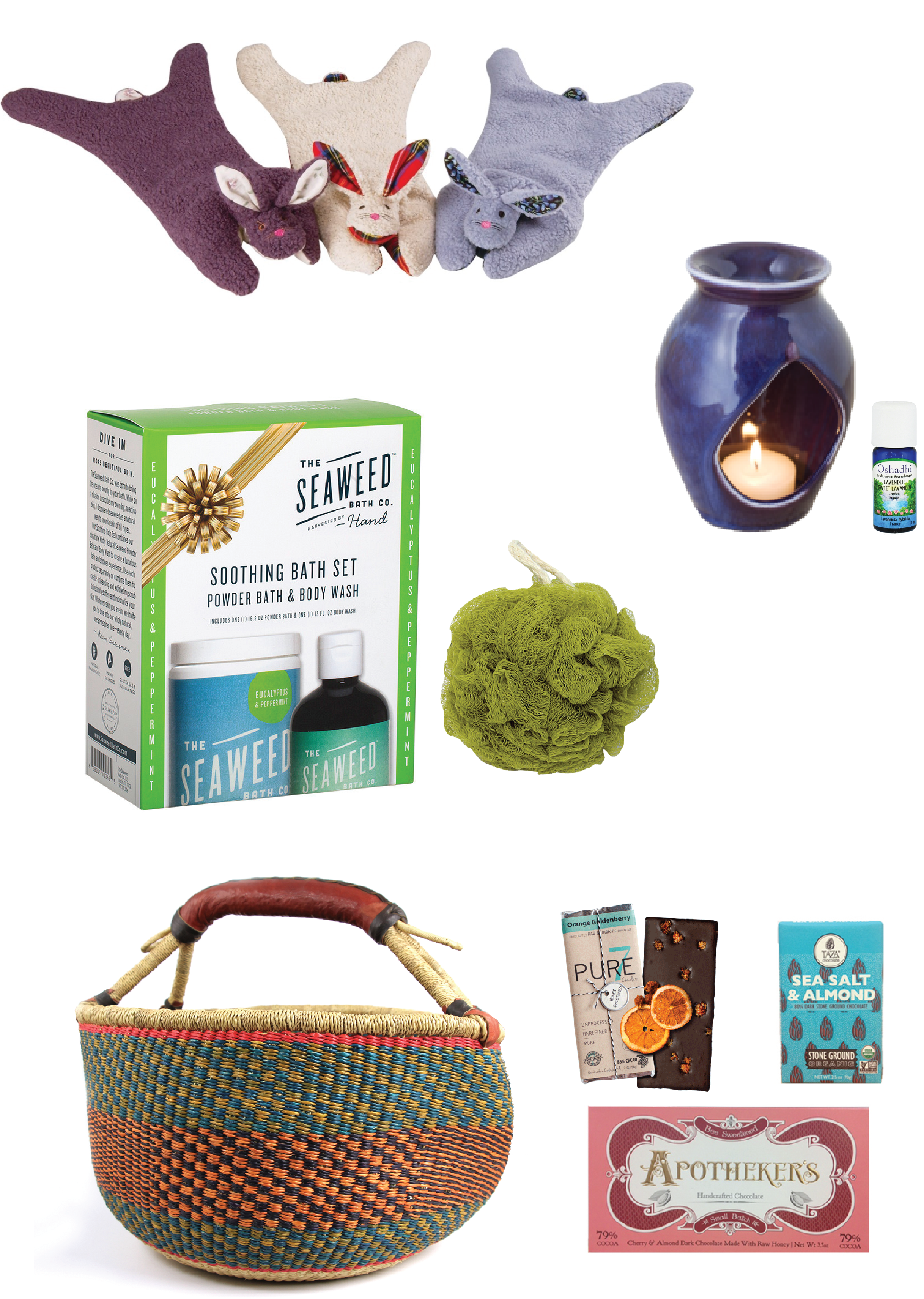
For my sister: The Seaweed Bath Co Soothing Bath Set and Ecotools Exfoliating Sponge
My sister has 2 little ones and is a very busy mama, so to help her slow down a bit I'm gifting her this awesome set with powder bath and body wash and an accompanying recycled body poof.
For my niece: Grampa's Garden Bunny Wrap
For my 6 year old niece to help comfort all her boo-boos (can be heated or cooled!). So cute and useful - sure to be a new favorite in her household. Made in Maine!
For my best friend: Baraka Aromatherapy Burner and Oshadi Lavender Essential Oil
My best friend works in corporate sales and is always stressed out, so hopefully this will help to calm his space and relax his mind. It's a great item to keep on your desk throughout the work day and allow the soothing aromas of lavender to do their trick!
For my cousin: Nova Scotia Fisherman Lip Balm and Rescue Balm
For my cousin who is an avid skier and snowboarder during the winter months. Her chapped lips will be soothed by this super sealing lip balm and her wind-burned face will appreciate some relief from the rescue balm. The healing power of sea kelp!
For my mom: Local Chocolate in an Alaffia Handwoven African Basket
My Mom is a self-proclaimed chocoholic, so she will definitely appreciate some locally made chocolates like Taza, Pure 7, and Apotheker's (I could also buy this online at our e-shop). For presentation purposes, I will fill a colorful fair trade basket with all these treats!
Remembering Rosemary
By Steph Zabel
Herbalist, Ethnobotanist and Educator
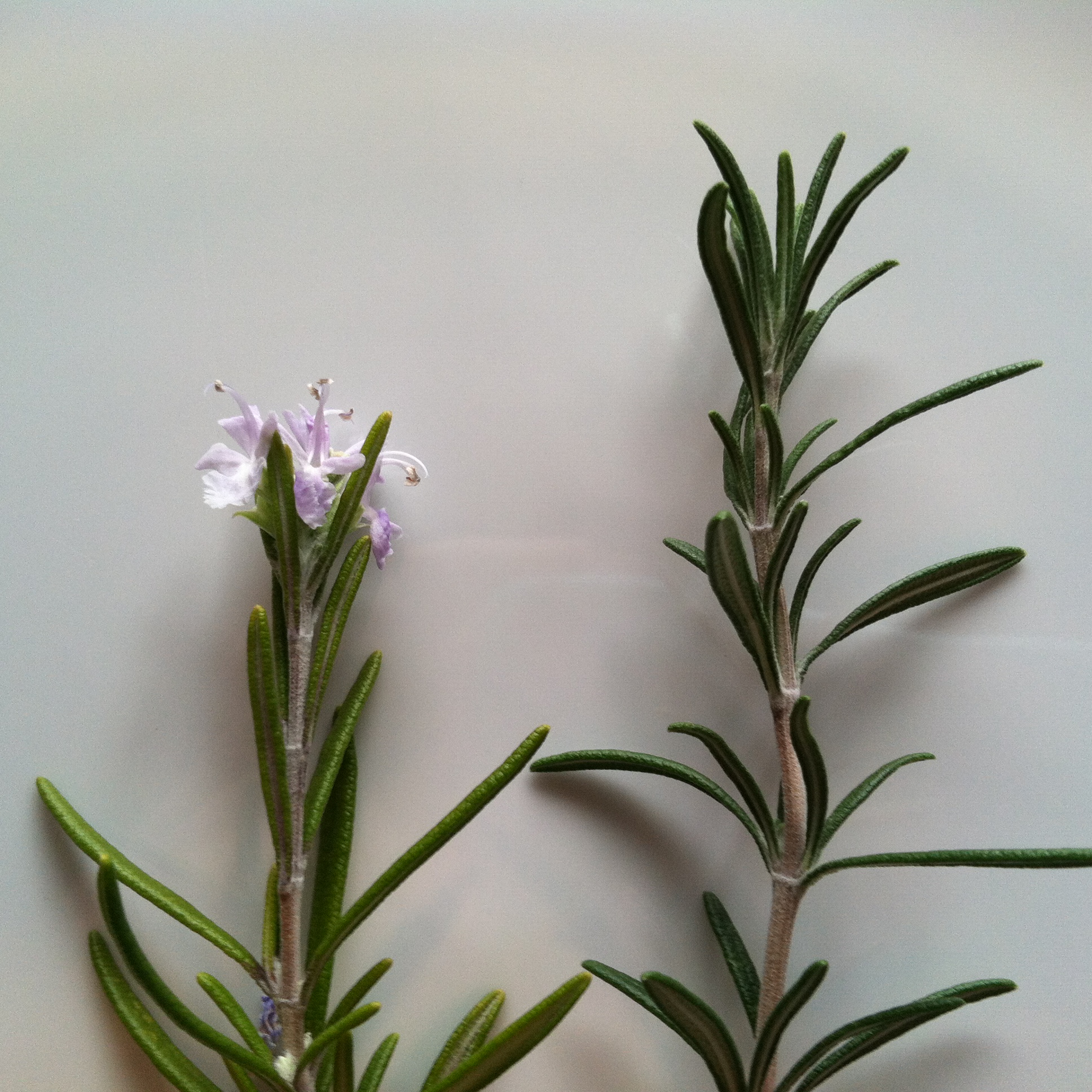
Throughout the whole summer my potted rosemary plants soak up the warm sun, and when the days start to grow cold, I bring them indoors to make it through the winter. The sight of their dark, resinous leaves cheers me and often I’ll wind their stems into holiday wreaths. In the absence of pine or fir boughs, rosemary is a beautiful and fragrant alternative.
Like last month’s cardamom, rosemary (Rosmarinus officinalis) is another herb that tends to be more common on the dinner plate than in the medicine cabinet. Certainly it is delicious added to potatoes or roasted meats, and its use is famous in the kitchen due to its excellent digestive properties. However, beyond its practical culinary uses, there’s more to rosemary than its pungent aroma and unique flavor…
By Steph Zabel
Herbalist, Ethnobotanist and Educator
Throughout the whole summer my potted rosemary plants soak up the warm sun, and when the days start to grow cold, I bring them indoors to make it through the winter. The sight of their dark, resinous leaves cheers me and often I’ll wind their stems into holiday wreaths. In the absence of pine or fir boughs, rosemary is a beautiful and fragrant alternative.
Like last month’s cardamom, rosemary (Rosmarinus officinalis) is another herb that tends to be more common on the dinner plate than in the medicine cabinet. Certainly it is delicious added to potatoes or roasted meats, and its use is famous in the kitchen due to its excellent digestive properties. However, beyond its practical culinary uses, there’s more to rosemary than its pungent aroma and unique flavor…
This little herb can help to break down fatty foods, increase the metabolism, and also support the liver. So it goes without saying that rosemary is a plant we could all benefit from during the food-laden holiday season. It also has a marked warming and stimulating effect, and over time it can even improve circulation throughout the whole body. This makes it a wonderful herb for people who tend to have cold extremities and need some circulatory support (especially in New England winters.)
I also find it useful for feelings of lethargy – try a cup of hot rosemary tea when you feel tired and sluggish.
Rosemary has a very special affinity for the head. I use it – and recommend it – as an infusion for headaches, especially for people who are prone to headaches caused by stress. Even just smelling rosemary essential oil may help ease the ache.
Folklore states that it will also support and increase hair growth. Add a few drops of rosemary essential oil to olive oil and rub on the scalp, or do an old-fashioned hair rinse with rosemary tea. The stimulating property of rosemary is said to re-invigorate hair follicles so that new growth occurs. Even modern day hair treatments continue to use rosemary extract as an ingredient.
Rosemary can increase cognitive function when used over time and has attracted clinical interest as a preventative to Alzheimer’s disease. This could be in part due to its high antioxidant content. Rosemary supports brain function, helps us retain information, and stimulates memories. Often when I study or am hunkered down doing intense work, I will keep a bottle of rosemary essential oil nearby to smell at intervals. Indeed, for ages rosemary has been a reoccurring symbol of remembrance. Can you recall Ophelia’s line in Hamlet?... “There’s rosemary, that’s for remembrance. Pray you, love, remember.”
During this holiday season, may we all remember this wonderful herb’s invigorating properties that support our digestion, boost our circulation and stimulate our mind!
INVIGORATING TEA BLEND
For an energizing pick-me-up, mix together equal parts of:
Rosemary
Spearmint
Holy Basil
Steep 1 Tblsp. of this blend per mug of hot water for at least 10 minutes. Strain and sip, adding honey if desired.
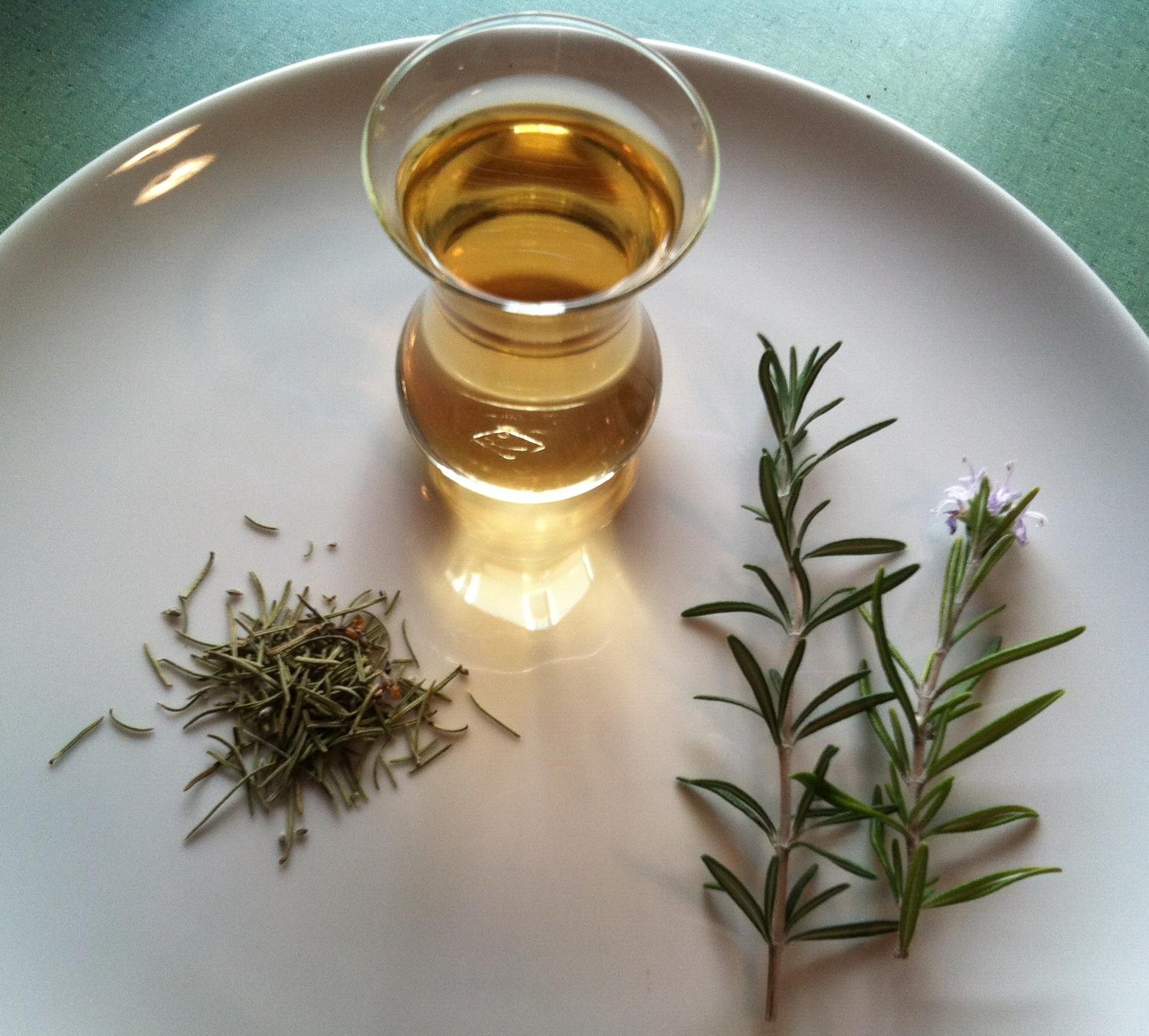
ROSEMARY INFUSED OLIVE OIL
For this recipe it is important to use dried rosemary rather than fresh. Since fresh herbs contain water there is a much greater change of the oil spoiling. To avoid any mold and unpleasant results, please use only dried rosemary for this recipe!
Place 3-5 tablespoons of dried rosemary leaves in an 8 oz. glass jar. Cover with organic olive oil, filling the jar to the top. Stir, cover and label your jar with the date and ingredients. Shake daily, letting the herbs infuse in the oil for at least 2 weeks. When it has reached the desired flavor, strain out the rosemary and store in clean, tightly capped glass bottles.
Use this oil on roasted vegetables, for dipping bread, on salads, or pasta. Poured into a pretty bottle it makes a lovely holiday gift!

Steph Zabel is an herbalist and educator based in Somerville, MA who helps urban dwellers connect with the plant world. She teaches herbal classes, is available for individual consultations, and is also the founder of HERBSTALK, a community herbal conference. Learn more about her work at: www.flowerfolkherbs.com and www.herbstalk.org.
References:
http://umm.edu/health/medical/altmed/herb/rosemary
http://www.botanical.com/botanical/mgmh/r/rosema17.html
http://www.ncbi.nlm.nih.gov/pubmed/20377818
Wood, Matthew: The Earthwise Herbal
Chevallier A. The Encyclopedia of Medicinal Plants . New York, NY: DK Publishing, 1996.
Not Just Skin Deep: Emily's Beauty Care Picks
As body care manager, it's literally my job to try the dozens of new products we consider bringing in every month, in addition to the wonderful products we already carry! There are so many that I truly love and adore, and yet I have my particular favorites - the ones I return to consistently because they make me feel beautiful, clean and confident, and ready to face the day. I'm excited to share them with you.
As body care manager, it's literally my job to try the dozens of new products we consider bringing in every month, in addition to the wonderful products we already carry! There are so many that I truly love and adore, and yet I have my particular favorites - the ones I return to consistently because they make me feel beautiful, clean and confident, and ready to face the day. I'm excited to share them with you.

Thesis Body Cream in Lavender Fields I feel like I’ve been searching for this body butter my whole life. But seriously, it’s divine. I massage a thin layer on right after the shower, and it absorbs completely, keeping my normally parched winter skin fully moisturized and smooth. Oil-based lotions can penetrate the layers of skin much better than water-based ones can, and this cream is chock-full of amazing organic oils including sunflower, jojoba and coconut in addition to raw shea butter. Thesis products are locally made by a family owned company using only the purest ingredients.
Acure Sensitive Facial Cleanser I’ve been using this cleanser for the last two years and love it. It’s formulated with argan oil and probiotics which are soothing to my sometimes irritable skin. I wet my face with lukewarm water and apply the cleanser, massaging in circles until all the dirt is removed. Then rinse and pat dry. Just a small amount is enough to clean my whole face, so it’s also a wonderfully affordable choice!
Thesis Rosemary & Citrus Makeup Remover I was thrilled when we brought in this makeup remover. For years I had been using coconut oil with fair success, but the application process was messy and the removal even worse. I’d end up with an oily sheen in and on my eyes! This makeup remover from local skin care company Thesis is truly wonderful - made from organic jojoba, sunflower and apricot oils that naturally dissolve dirt as well as cleansing essential oils like rosemary and orange. I put a little bit onto a cotton pad and massage into my skin, then use the other side of the pad to remove any makeup.
A Wild Soap (Desert Sage) This soap reminds me of Eastern Oregon, where my husband and I have family. We’d drive west from Portland and watch as the landscape transitioned into fields of gorgeous sagebrush in the high desert. The smell brings me back to that place I love, and so this soap has a special place in my heart! A Wild Soap makes natural soap bars from premium ingredients with sustainable palm oil and organic coconut oil, as well as bentonite clay for extra cleansing.
Dr. Hauschka Melissa Day Cream I have been using this moisturizer every day for the last 4 years. It works perfectly to balance my combination skin which leans normal to dry with occasional oil in my t-zone. Dr. Hauschka has been formulating incredible natural skin care products for 47 years focused on biodynamically grown plants that heal both the skin and the earth. This day cream is light, goes on smoothly, and keeps my skin glowing and break-out free.
Hurraw Earl Grey Lip Balm I grew up with my mother’s mantra “it’s an Earl Grey day” - her drink of choice throughout my childhood. The smell of bergamot oil brings me a calm and peaceful energy, and now I can have it every time I moisturize my lips! The Hurraw lip balms glide on smoothly and are made from raw, organic and fair-trade ingredients. There’s always a stick in my pocket and in my bag.
Mineral Fusion Sheer Moisture Lip Tint I absolutely love these lip tints. They glide on smooth and layer perfectly - a pop of color for the workday and an extra few layers for a night out on the town. I use Flicker - it’s a berry-tinted red made with cocoa butter and a lip-firming peptide.
Dr. Hauschka Volume Mascara This is the ultimate natural mascara - doesn’t leave anything wanting! It’s smudge resistant and applies evenly, making my lashes full and long without the dreaded raccoon effect. It stays on throughout the day and washes off easily at night - my sensitive eyes love it!
Badger Balm Aromatherapy Stress Soother While not technically a body care product, this stress soother has definitely saved me a wrinkle or two! I carry it in my bag always, and in moments of everyday tension (Boston traffic, anyone?), I massage it into my wrists and temples. The calming aromas of chamomile and lavender are expertly mixed with cedarwood for strength and tangerine and spearmint for energy. When I am relaxed and stress-free, I feel like a more beautiful person inside and out.
Mineral Fusion Nail Polish in Garnet I love this nail polish - it comes in a wide range of great colors and is free of the major chemical offenders including formaldehyde, toulene, camphor and dibutyl pthalate. Garnet is my go-to shade for the holiday season - the perfect pop of color to pair with a fun outfit.
Cardamom: Grains of Paradise
By Steph Zabel
Herbalist, Ethnobotanist and Educator
Now that cooler days are upon us, it is time to bring out the spices! Cardamom is one of my all-time favorites and makes a grand entrance in my kitchen as soon as fall arrives. I am not alone in my love of this little green pod -- for ages cardamom (Elettaria cardamomum) has been one of humankind’s most well-loved spices, used in cuisines and materia medicas around the world.
By Steph Zabel
Herbalist, Ethnobotanist and Educator
Now that cooler days are upon us, it is time to bring out the spices! Cardamom is one of my all-time favorites and makes a grand entrance in my kitchen as soon as fall arrives. I am not alone in my love of this little green pod -- for ages cardamom (Elettaria cardamomum) has been one of humankind’s most well-loved spices, used in cuisines and materia medicas around the world.

A close cousin to ginger and turmeric (all in the Zingiberaceae family), cardamom is originally from the forests of southern India where it grows wild. It is now cultivated in tropical areas throughout the world. Beloved in many cultures, and often called “Grains of Paradise,” cardamom is one of the world’s most expensive spices, third after saffron and vanilla.
The use of cardamom has been documented as far back as the 4th century BC. Because of its sweet and pungent flavor, cardamom was the favored tooth cleanser and breath freshener of the Egyptians, who used it for dental hygiene. The Greeks and Romans had their own use for this spice and included it in their perfume formulations. (To this day cardamom is still a popular ingredient in many fine perfumes.) Even the Vikings cherished this small pod for its scent and flavor and ended up introducing it into Scandinavia, where it remains as a key ingredient in many pastries and cookies. In the Middle East and India, cardamom is an essential spice in many traditional dishes, used in curries, sweets, coffee and tea.
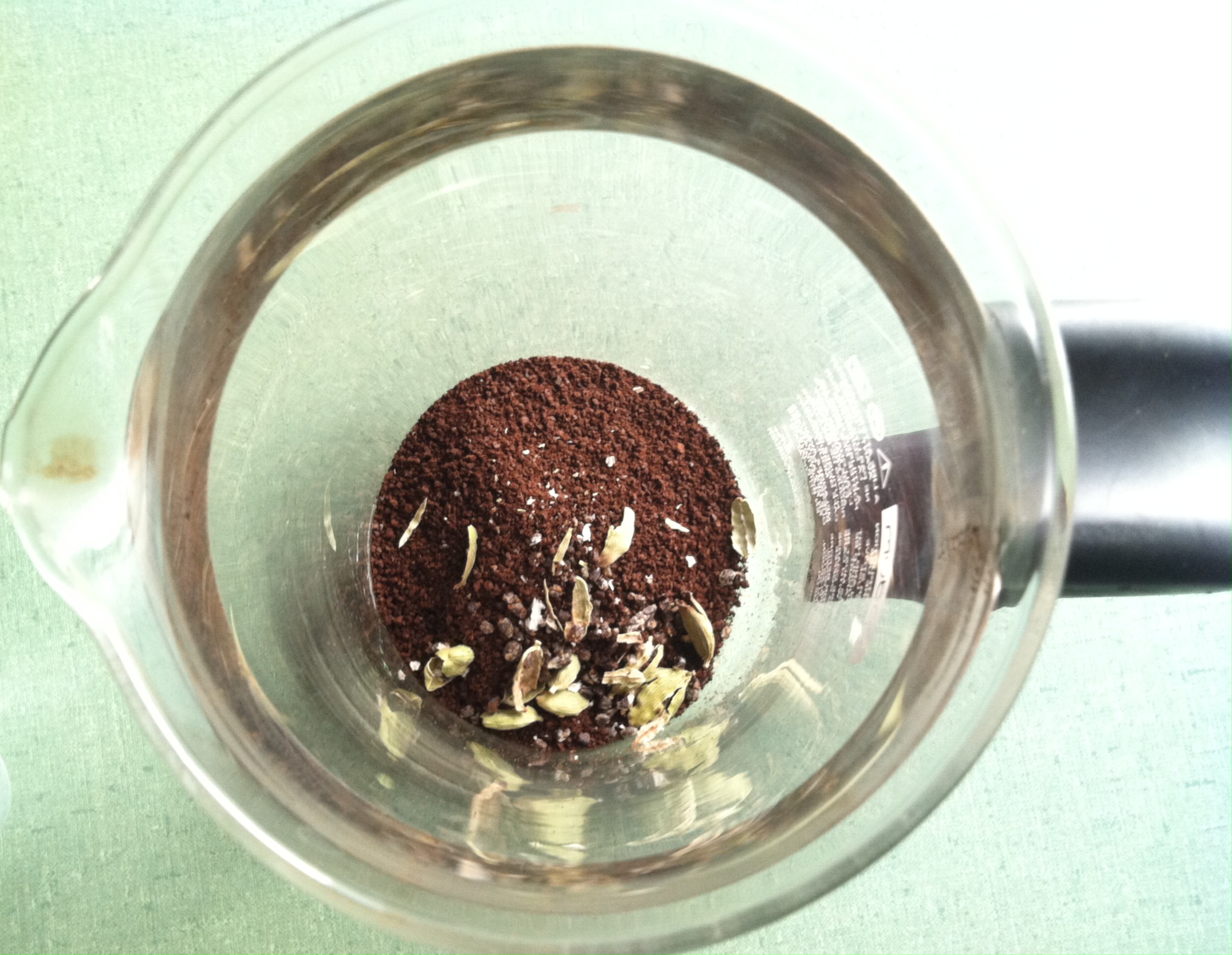
Cardamom and coffee grounds
Historically, cardamom has been used as an aphrodisiac. Indeed, modern research has found it beneficial in the treatment of sexual dysfunctions such as impotence. The seed pod is also a mood elevator and has been found to be valuable in overcoming depression. I find that simply smelling a crushed cardamom pod can be uplifting. This is a good herb (or essential oil) to keep on hand during dark New England winters.
Cardamom is perhaps most famous as a stomachic and carminative herb, helping to calm digestive upsets and to promote and balance gastric juices. Ayurvedic doctors regarded it as a treatment for obesity, perhaps relying on its stimulating properties that move sluggish digestion. Modern practitioners use it for similar purposes to tone and support the digestive system. With the holidays coming up, including cardamom in dishes or beverages can certainly make big meals more festive and better digested.
How to use:
There are many delicious ways to use cardamom. Beyond its traditional usage in both savory and sweet dishes, cardamom is an essential addition to any chai tea blend. One of my favorite ways to make chai is with the following recipe that I have developed over several cold winters:
6 cardamom pods
6 cloves
1 tsp. black peppercorn
1-2 tsp. dried ginger root (depending on how spicy you like it)
1 tsp. dried orange peel
1/2 Tblsp. cinnamon bark (sweet or cassia)
1 Tblsp. burdock root
1 Tblsp. roasted dandelion root (roasted will yield a deeper, darker flavor)
1 Tblsp. roasted chicory root
1 Tblsp. astragalus root
First, grind together the cardamom, cloves and peppercorn in a mortar and pestle. This will help their flavor be dispersed throughout the whole tea. Combine these crushed pieces with the remaining ingredients and mix thoroughly. This will make about 5-6 servings of tea.
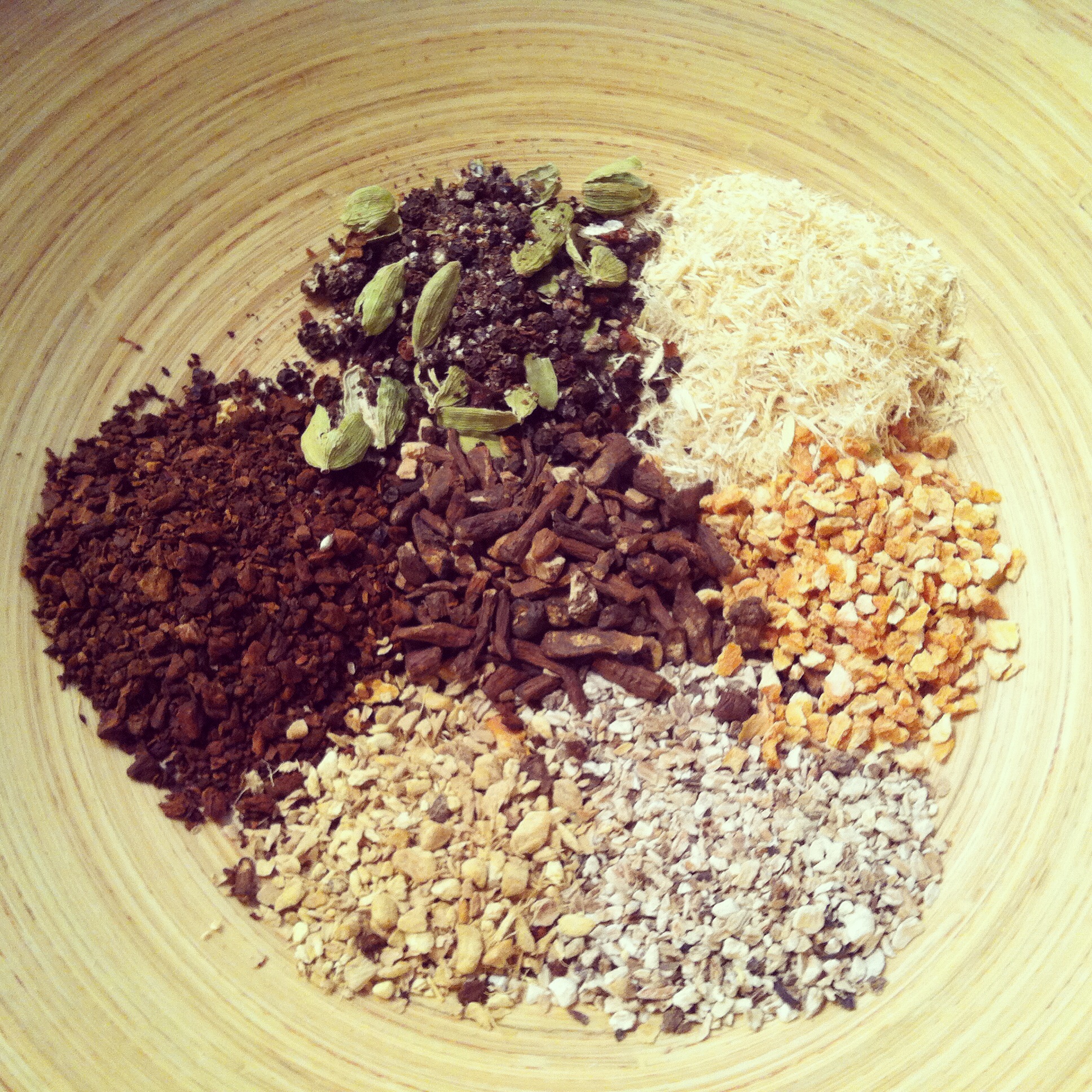
Chai recipe
To brew the tea, add up to 1 Tblsp. of the chai blend per two cups of water in a small saucepan. Bring everything to a boil, then lower the heat and let it simmer covered at for least 20 minutes. Just be sure to keep an eye on the water level and don't let it evaporate too much. When it is as dark and spicy tasting as you would like, strain out the roots and add milk and honey to taste.
If this recipe seems too complicated, just try adding a few crushed cardamom pods to your black tea or coffee for a special treat.
You can also infuse cardamom in honey for something truly special. Add this honey into your coffee for an aromatic start to your day, or drizzle over desserts. Making an infused honey is simple:
Fill a small jar ¼ to ½ full of crushed cardamom seeds. Cover with honey, cap tightly and let sit for 2 to 6 weeks. I like to turn my honey jar upside down every few days so that the herb material can slowly move back and forth through the honey rather than congregate all at the top. To remove the cardamom (which is optional) you can gently heat the jar in a small water bath on the stove. Be careful not to heat the honey too much, just until it is runny enough to pour through a sieve.
Steph Zabel is an herbalist and educator based in Somerville, MA who helps urban dwellers connect with the plant world. She teaches herbal classes, is available for individual consultations, and is also the founder of HERBSTALK, a community herbal conference. Learn more about her work at: www.flowerfolkherbs.com and www.herbstalk.org.
References:
Lad V. and Frawley D. (1986). The Yoga of Herbs. Lotus Press.
Chevallier, A. (2000). Encyclopedia of Herbal Medicine. Dorling Kindersley.
Wood, M. (2008). The Earthwise Herbal: A complete guide to old world medicinal plants. North Atlantic Books.
This Web site — Herbs and Botanicals — is for general health information only. This Web site is not to be used as a substitute for medical advice, diagnosis or treatment of any health condition or problem. Users of this Web site should not rely on information provided on this Web site for their own health problems. Any questions regarding your own health should be addressed to your own physician or other healthcare provider.
Not Just Skin Deep: Grace's Daily Routine
It can seem daunting and time-consuming to establish a well-rounded body care regimen. But caring for your skin is a very personal thing, and, as you'll read below, it certainly doesn't have to be a burden! Grace describes her effortless routine that covers all the bases and leaves her feeling (literally and figuratively) confident in her skin.
Grace says, "I'm an incredibly low-maintenance kinda gal when it comes to body care. To keep my skin happy and clean, my simple daily routine focuses on 3 steps: wash, moisturize, protect. The products I use include a face and body soap, face and body lotion, deodorant and chapstick. That's it! I probably have the most clutter-free shower and bathroom cabinet you can imagine."
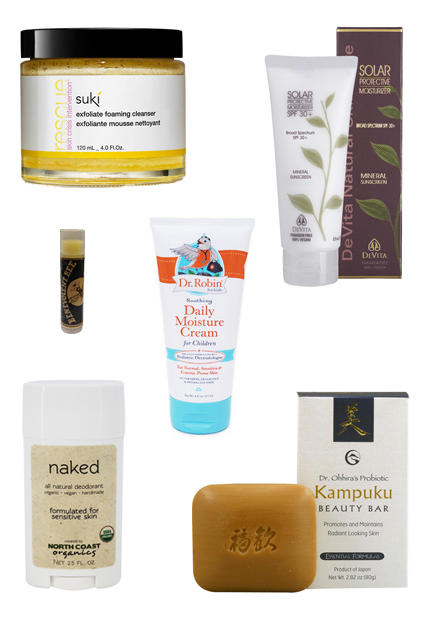
Suki Exfoliate Foaming Cleanser
What I love most about this cleanser is that it can be used as both an exfoliate AND a gentle cleanser. Use 'as is' for exfoliating (which I do no more than twice a week), or rub the sugar crystals between your hands until they dissolve/melt, and it becomes a foaming cleanser. Suki's signature lemongrass scent is inspiring, and my skin always feels smooth and amazingly rejuvenated after washing with this product. Highlights: The Suki skincare line was created for ultra sensitive skin with a focus on passion, purity, potency, and real results.
Dr. Ohhira's Kampuku Beauty Bar (probiotic soap)
The skin is the largest organ in the human body, so I think it's one of the most important organs to take care of and protect. This high quality beauty bar is made with natural plant extracts and essential herbs. Most bar soaps leave my skin feeling dry, but this beauty bar actually moisturizes my skin and makes it feel soothed, hydrated and healed. Highlights: The pH-balancing blend of pre- and probiotics maintain and strengthen the skin by deterring the growth of harmful bacteria, stimulating its innate immune system and limiting the production of free radicals, leaving skin clean, hydrated and supple.
DeVita Solar Protective Moisturizer SPF 30+
I ride my bike to and from work most days, so it's important for me to protect my face with sunscreen. Most sunscreens with zinc oxide tend to leave a white residue on the skin, but this product is feather-light and rubs in completely with little effort. I've also had trouble with sunscreens burning my eyes (even natural ones), but this one is magical- no itching or burning. Highlights: Absorbs quickly, deeply moisturizing, formulated specifically for sensitive skin.
North Coast Organics Naked Deodorant
For years the ONLY deodorants that worked to keep my body odor at bay contained aluminum (boo!). Recently I decided to try this all-natural deodorant because a few of my co-workers and a bunch of our regular customers SWEAR by it. They were right! It totally works and stands true to the company's motto: "an elite assassin of odor that you can trust". Highlights: VEGAN!, sweet packaging, simple and clean ingredients (coconut oil, carnauba wax, corn starch, baking soda).
Dr. Robin Daily Moisture Cream
I love to slather this lotion on my legs after I shave. Some lotions burn and irritate my skin after shaving, but this one is super hydrating and soothing! This gentle, fragrance-free moisture cream is ideal for sensitive or eczema-prone skin. Dr. Robin (who developed the formula) is a Pediatric Dermatologist, so she markets the formula specifically for kids, but it totally works for grown-ups, too (wink!). Highlights: It's free of parabens, phthalates, nanotechnology, unnecessary preservatives, extracts and additives.
Benevolent Bee Ultra Moisturizing Honeyed Lip Balm
I'm one of those people who can't go anywhere without bringing lip balm with me. This is my most favorite kind! The mild honey flavor is lovely, and it keeps my lips soft for hours on end, so I hardly ever have to reapply. I'm also a big sucker for local products, and this company is located just across the river in Jamaica Plain. As Mother Nature shifts into cooler and drier temps, try this awesome product for excellent lip protection! Highlights: Locally made, ultra moisturizing, simple ingredients!
Book Review: The Blood Code: Unlock the Secrets of Your Metabolism
Have you realized that you can “create a ‘GPS coordinate’ that maps how your body is currently interacting with your diet and fitness habits”?
How to Measure your Health through Standard Blood Tests
The Blood Code: Unlock the Secrets of Your Metabolism
by Richard Maurer
Reviewed by Rosalind Michahelles
The analogy is apt and the author explains what each blood test – the ones we routinely get at our annual check-up – can reveal. His language is clear and comprehensible. Are you worried about blood sugar? Or blood lipids? Or thyroid function? All are covered and interconnections described.
What I find most helpful is the de-coding both of the blood lipid panel and of the dynamic glucose-insulin relationship.
How to Measure your Health through Standard Blood Tests
The Blood Code: Unlock the Secrets of Your Metabolism
by Richard Maurer
Reviewed by Rosalind Michahelles

Have you realized that you can “create a ‘GPS coordinate’ that maps how your body is currently interacting with your diet and fitness habits”?
The analogy is apt and the author explains what each blood test – the ones we routinely get at our annual check-up – can reveal. His language is clear and comprehensible. Are you worried about blood sugar? Or blood lipids? Or thyroid function? All are covered and interconnections described.
What I find most helpful is the de-coding both of the blood lipid panel and of the dynamic glucose-insulin relationship.
First the blood lipids: total cholesterol, triglycerides (TG), HDL, and LDL. In terms of your heart, you want TG to be low (<100 mg/dL) because a high reading of triglycerides correlates more strongly with heart disease than does high total cholesterol or high LDL or low HDL. When you have your test results in hand, calculate this simple ratio: TG/HDL, i.e., divide your HDL into your TG. A ratio of 1:1 or lower is good news! But a score over 3 puts you at high risk for stroke or heart attack. How to lower TG and raise HDL? Cut out sugar and starch. Or, put another way, eat the butter, skip the jam, and go easy on the toast. This advice will also help normalize blood sugar.
Why is the low-carb diet becoming the new buzz? Because both type 2 diabetes and its frequent precursor insulin resistance have risen dramatically during the low-fat diet decades. Since carbohydrates provoke the production of insulin, a low carb diet will in effect mean a low insulin diet.
And, according to Dr. Maurer and others in the field, it’s insulin – when there’s too much of it – that is implicated not just in diabetes but also in obesity, dementia, fatty liver, hypertension, muscle weakness, constant hunger, and in some cancers. Why? Because insulin is the partner of glucose and protein, the partner necessary to ‘introduce’ them into muscle and fat tissue – except when the cells become insulin resistant making the process bog down.
Dr. Maurer explains insulin resistance as a functional and effective response, one that some people are more genetically prone to than others, and one that can be modified by diet and exercise. Historically it was efficient because we evolved to handle long fasts and prolonged exertion. That we now have no famine and little exercise has spoiled the outcome for too many of us. As Dr. Maurer points out, “insulin resistance is your perfect expression of an efficient calorie economy; inappropriate lifestyle habits are the ‘disease,’ not you.” Bottom line? Some people must restrict carbohydrates and must exercise to be healthy.
What are the important tests for insulin resistance? First, fasting glucose to see how much sugar is still circulating in your blood, usually tested before breakfast. Second, fasting serum insulin to see if insulin has been ‘refused’ by the muscle and fat cells because of insulin resistance. And third, hemoglobin A1C is the test for recent high blood sugar, that is, the average over the last couple of months. Dr. Maurer talks of recent evidence that non-diabetics with levels in the high end of the normal range are at greater risk of stroke and cardiovascular disease than those with lower scores. So this is a correlation to pay attention to in case the relationship is causal, not casual.
A further test the author recommends is to measure skin fold in four places using calipers (which he will sell you from his website). If you can’t tell whether you have the “apple” shape that is said to correlate with risk of heart disease, you can take measurements. But most of us do know if our weight accumulates around the waistline.
Once you have your test results and your ratio calculations, you can read the recommendations for your pattern. These are well spelled out. A few supplements are suggested, particularly vitamin D, fish oil, magnesium, and selenium if your diet is lacking. The book ends with a helpful meal planner and a promise of future research into diet for athletes.
Is this book for you? Well, yes, if you are looking for signs and signals relative to health; then understanding the blood tests and their use as a “GPS coordinate” in figuring out what to eat and how much and when to exercise is for you. Were I the author, I would have organized the book somewhat differently, giving cholesterol, blood sugar/insulin, and thyroid each its own chapter instead of introducing the tests and then later on how to interpret them. That said, THE BLOOD CODE is a useful reference work, the more especially as it behooves us to partner with our doctors rather than expect them to do all the thinking.
Rosalind Michahelles is a Certified Holistic Health Counselor in Cambridge.
For questions about this essay or related issues please call 617-491-3239r visit www.nutrition-matters.info
Announcing Coexist Cold Brew: Drink Good, Do Good
At Cambridge Naturals, we dedicate hours - no, days - and an incredible amount of care to reviewing each and every product that comes into the store. We consider everything from the safety and efficacy of ingredients to the integrity of the company we're sourcing from. For months we've been seeking the perfect cold-brewed coffee to bring into our small grocery section to meet the growing desire of customers (and frankly, our staff!) for that delicious, non-acidic, caffeinated drink. So when we met Coexist Coffee at the Natural Product Expo East trade show, we were blown away by the combination of the superior quality of their coffee and their social impact mission.
On their website, the company explains, "Coexist Coffee is a uniting force, bringing farmers and families of different faiths together to work towards common goals and be in charge of their own development and futures. The farmers of the Cooperative spent decades in civil war, where whole tribes were almost wiped out, before realizing that to survive and develop economically they must put aside their differences and work together. Hence they formed Peace Kawomera, which means “Delicious Peace” in the local Luganda language. What’s more, we send back our profits to help fund the schools for the Cooperative’s children, so that the farmer’s children have a greater opportunity to learn and grow."
This delicious and truly world-changing cold-brewed coffee hits our shelves today, and we couldn't be more excited about it. Look for it in the refrigerated case!
